By Joke Kujenya
ELEVATED CHOLESTEROL levels can begin to improve within days of lifestyle changes, with measurable results appearing in weeks or months depending on diet, exercise, or medication, experts have said.
JKNewsMedia.com reports that the experts said early 11 percent of men have high total cholesterol, indicating excess fat in the blood and increased risk of heart attack and stroke.
They noted that factors include genetics as well as controllable elements such as diet and exercise.
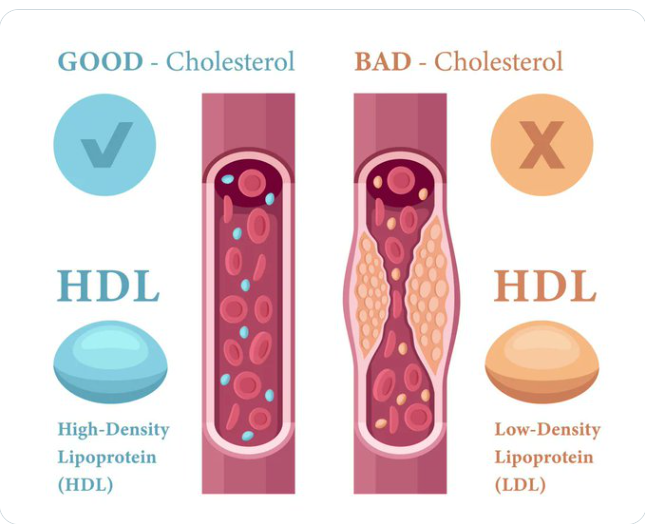
A blood test known as a lipid panel measures low density lipoprotein, high density lipoprotein, total cholesterol, and triglycerides.
For men, an optimal low density lipoprotein level should be less than 100 mg per deciliter, cardiologist Dr Karishma Patwa stated.
Also, Dr Tariqshah Syed said the body responds quickly to healthy lifestyle changes, noting that the right measures start progress within days.
Then, Dr Patwa added that visible changes in blood cholesterol may take several weeks to months depending on whether diet or exercise is prioritised.
She said dietary adjustments such as reducing saturated fats, increasing fibre intake, and limiting ultra processed foods can lower cholesterol within three to 12 weeks.
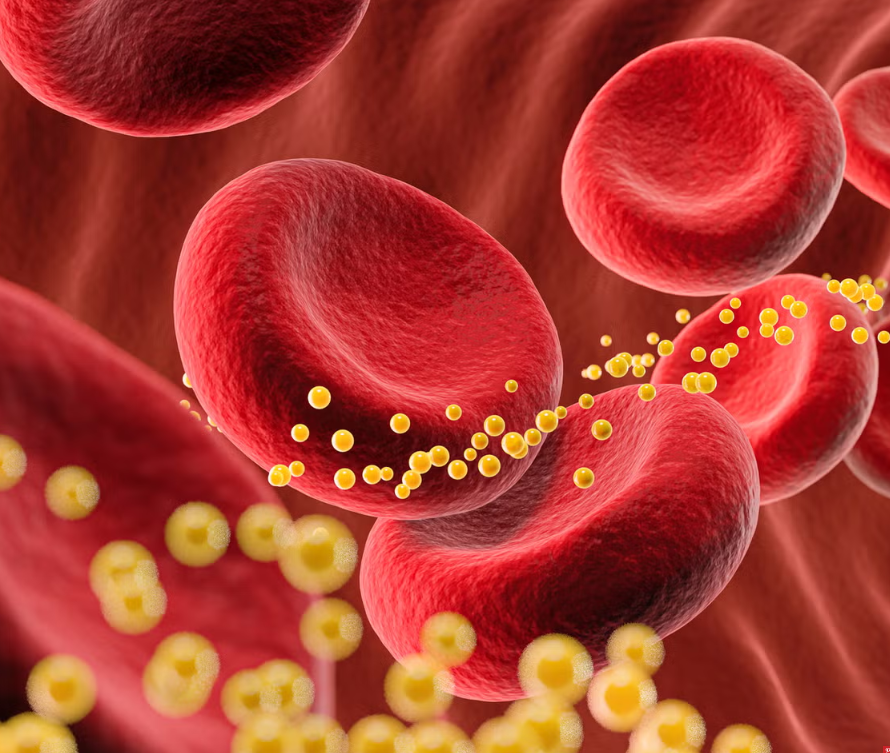
Soluble fibre found in whole grains, beans, and fruits helps prevent cholesterol absorption, with a recommended daily intake of 10 to 25 grams.
Exercise alone can also produce results within three to 12 weeks, Dr Patwa said, as Dr Syed explained that physical activity increases high density lipoprotein, which helps clear low-density lipoprotein before it forms plaques.
Research cited by Neil Smart, a professor of exercise and sports science, indicated that moderate to high intensity activity is most effective, requiring the burning of about 1000 to 1200 calories to influence cholesterol levels.
He added that extending workouts by one minute could increase high density lipoprotein by 2 mg per deciliter over an average of 12 weeks.
Consistent routines combining cardio and strength training may improve lipid levels within four to eight weeks.
Dr Patwa added that combining diet and exercise can reduce low density lipoprotein by about 30 percent, compared with 20 percent from diet alone and 10 percent from exercise alone.
In agreement, Dr Syed also said a persistent healthy lifestyle yields the best results.
JKNewsMedia.com reports that the medical experts assert that medication may be required in some cases, particularly for men with low density lipoprotein levels above 190 mg per deciliter, family history of coronary artery disease, or elevated calcium scores.
However, Dr Patwa insisted that cholesterol changes from medication can occur as early as one week, with maximum benefits seen after about eight weeks.
She also advised substance to review their smoking and alcohol habits, noting that cigarette smoking has been linked to higher low-density lipoprotein and lower high-density lipoprotein levels, while alcohol consumption above 30 grams daily is associated with negative effects on cholesterol and heart health.
—
Do you have a news tip for JKNewsMedia.com? Please email us at jkmediapress@gmail.com.