By Jemimah Wellington, JKNewsMedia Reporter
The Presidential Compressed Natural Gas Initiative (PCNGI) has disclosed that the Compressed Natural Gas (CNG) adoption in Nigeria is gaining momentum one year after its rollout, despite criticism from some sections of the media over infrastructure gaps in the young sector.
A statement signed by Engr. Michael O. Oluwagbemi, Programme Director/Chief Executive, PCNGI, notes that the the agency, launched in May 2024 to drive cleaner and cheaper transport alternatives, has recorded over 50,000 converted vehicles—up from just 4,000 a year ago.
The PCNGI, working under the directive of President Bola Ahmed Tinubu, has also dismissed claims of stagnation and pointed instead to the rapid pace of infrastructure development and rising public demand.
At the time of rollout, the statement notes that Nigeria had only 11 functional CNG stations, mostly from an earlier 2017 pilot by the Nigerian National Petroleum Company Limited.
To address the lack of awareness and infrastructure, the initiative launched a national campaign from May to October 2024.
Since then, demand has surged, with projections indicating that 100,000 vehicles will soon be running on compressed natural gas.
New station development is underway across the country. In Abuja, private firms AY Shafa and Femadec commissioned new daughter stations last week.
Femadec has an additional 21 sites planned and is also spearheading development of compressed natural gas infrastructure across 20 universities.
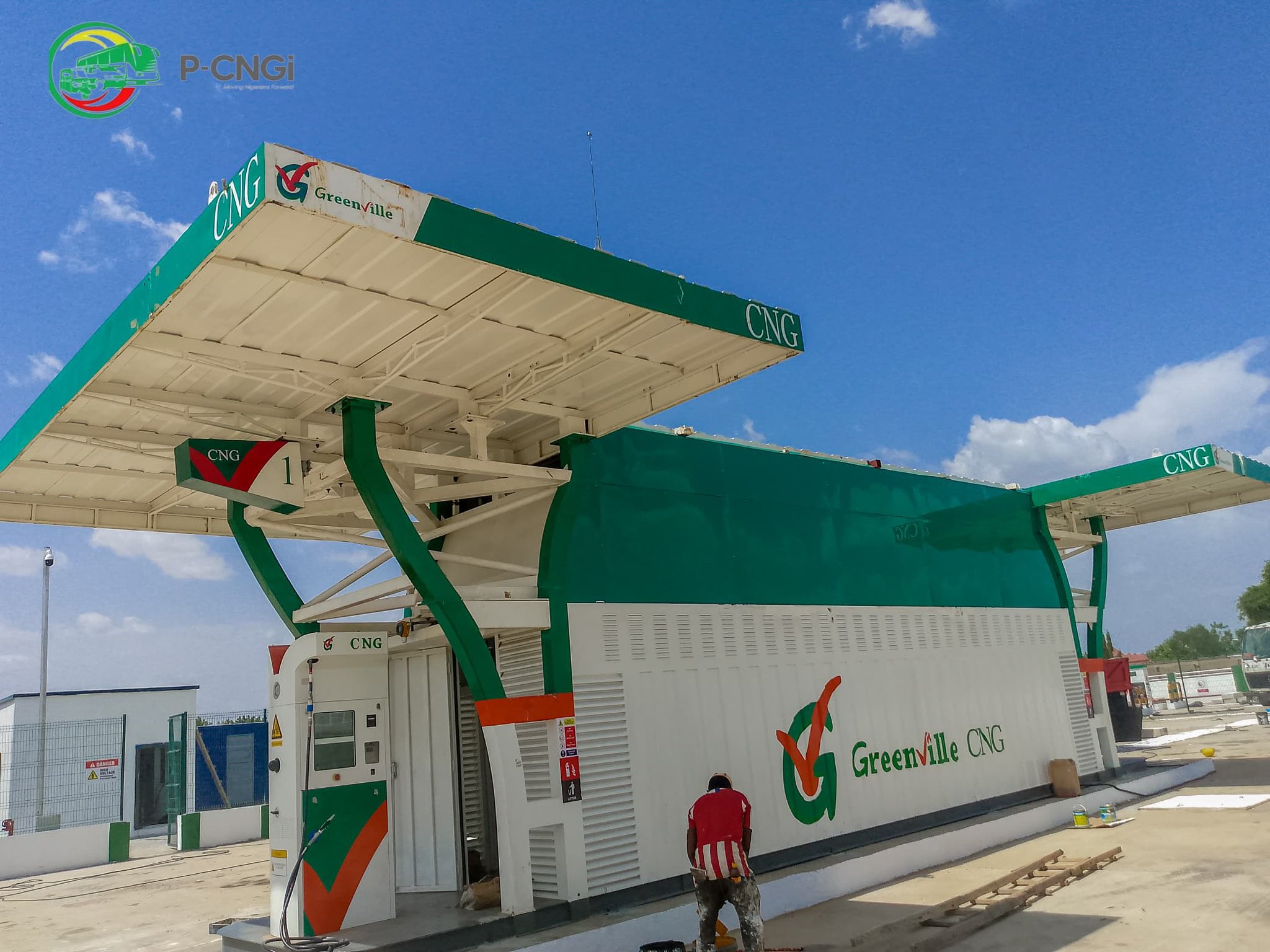
Greenville is rolling out 51 liquefied compressed natural gas stations, with locations targeting underserved areas in the North and Southeast, including Yola.
The initiative is also backing partners to deliver 24 new sites within the next six to nine months.
One site is already operational in Ilorin, with upcoming launches scheduled for Port Harcourt, Ado Ekiti, Lokoja, Abuja, Aba, and Enugu over the next 60 to 120 days.
Other operators are scaling up.
The Nigerian National Petroleum Company Limited is adding eight stations to its existing 12, with 40 more in the second phase of its rollout.
Bovas is set to launch two ultra-modern stations in Ibadan, part of its eight-site expansion. NIPCO Plc has eight additional stations under development, complementing the 23 already in operation.
The Midstream and Downstream Gas Infrastructure Fund recently awarded equity support to ten new gas projects. Three of them are focused on compressed natural gas stations.
This follows last year’s ₦123 billion investment round, which channelled four of six project approvals into the compressed natural gas sub-sector.
In total, the sector has attracted over $500 million in investment within a year. More than 10,000 direct jobs have been created, along with 255 new vehicle conversion centres and 53 daughter stations now in service.
The initiative has cautioned that long-term energy infrastructure takes time to mature. While the programme is still in early stages, officials say steady progress is being made across the compressed natural gas value chain.
They maintain that the use of bi-fuel systems—vehicles running on both petrol and compressed natural gas—is helping to ease transition and lower transport costs for motorists.
Responding to media criticism, particularly a recent report by a national newspaper, the PCNGI described such coverage as alarmist and out of touch with on-the-ground developments.
The agency said it remains focused on delivering the transport reforms outlined under the President’s directive and called for balanced reporting on sector progress.