By Joke Kujenya
OUR CALF muscles have been described as our body’s “second heart” according to a public health advisory issued by the World Health Organisation (WHO) highlighting their essential role in keeping blood circulating effectively.
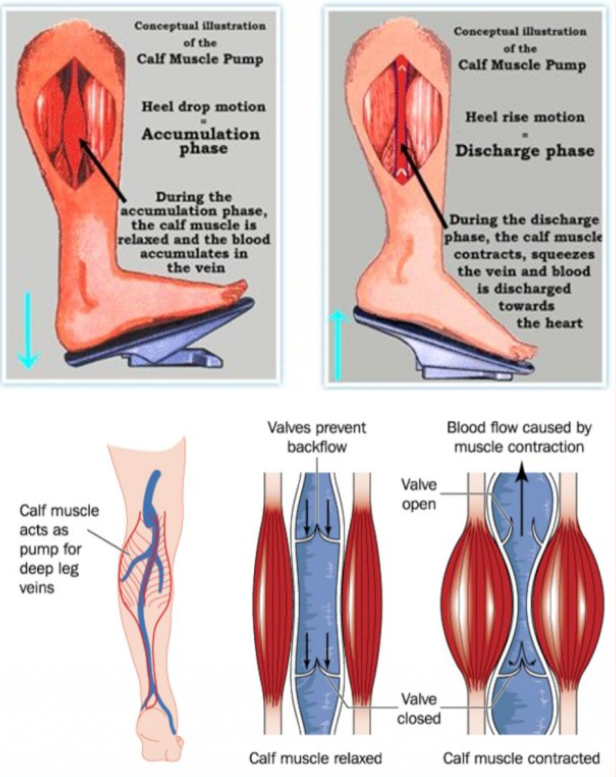
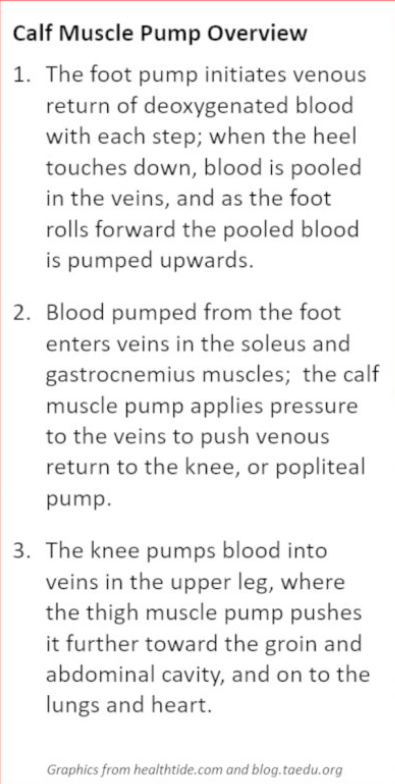
The statement explained that every movement of the lower legs, whether walking, climbing stairs or standing up, triggers contractions that push blood upwards to the chest, working against gravity to aid circulation.
The WHO advisory noted that this function is critical for cardiovascular health, adding that the muscles of the legs act as a natural pump that continuously assists the heart.
It also stressed that the simple act of walking or standing engages the calf muscles in driving blood flow, which helps prevent stagnation in the lower limbs.
According to the advisory, this action not only keeps blood flowing smoothly but also helps prevent blood clots and swelling in the legs.
It added that regular activation of the calf muscles reduces the risk of varicose veins, heavy-leg sensations, and more severe conditions such as deep vein thrombosis.
The release warned, however, that prolonged sitting or standing without movement can silence this mechanism, leading to a pooling of blood in the lower extremities and an increase in venous pressure.
It further stated that immobility could trigger complications if left unchecked.
Emphasising the importance of physical activity, the advisory urged individuals to incorporate movement into their daily routines, describing each step as a form of medicine for the body.
It cautioned against waiting for symptoms before taking action, stressing that preventive measures such as regular walking are necessary for maintaining circulation.
WHO concluded the health advisory by reiterating that keeping the calf muscles active is not merely a matter of fitness but a vital component of survival, reiterating the significance of mobility in overall health.