By Faith Obams, JKNewsMedia Intern
CONCERNS OVER adolescent reproductive health and gender inequality in Nigeria have been heightened with new figures showing that 15 percent of girls aged 15 to 19 are either mothers or currently pregnant.
The Federal Government disclosed this on Tuesday during the validation and adoption of Nigeria’s first National Policy on Menstrual Health and Hygiene Management (MHHM).
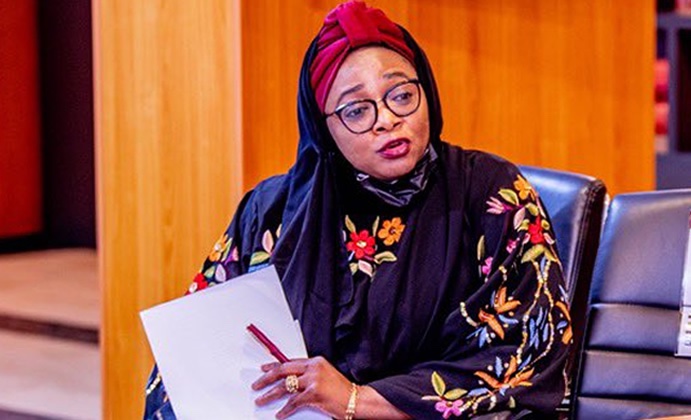
Minister of Women Affairs and Social Development, Imaan Sulaiman-Ibrahim, represented at the event by the permanent secretary of the ministry, Maryam Keshinro, said the figures underline the scale of challenges facing adolescent girls.
She further revealed that more than 7.3 million adolescent girls and women are affected by undernutrition, with 55 percent of them suffering from anaemia.
According to her, these conditions are partly linked to poor menstrual hygiene and inadequate access to affordable sanitary products.
Describing the newly adopted policy as a “milestone,” the minister stated that menstruation is a normal biological process that should never be a source of shame, stigma, or economic hardship.
She emphasised that effective management of menstrual health is essential in ensuring the dignity and well-being of Nigerian girls and women.
Sulaiman-Ibrahim commended President Bola Tinubu for granting waivers on sanitary towels, noting that the gesture demonstrates the administration’s sensitivity to gender-related issues and public health concerns.
She said the initiative represents an important step towards addressing inequalities and advancing the rights of women and girls across the country.
“Women aged 15 to 49 constitute about 25 to 30 percent of Nigeria’s population. It is therefore critical to ensure that menstruation does not hinder the rights, opportunities, or well-being of any woman or girl,” she stated.
The minister underscored that the new policy will provide a national framework to ensure access to affordable sanitary products, promote public awareness, and encourage education around menstrual health.
She maintained that addressing the challenges associated with menstrual hygiene goes beyond health, extending to issues of education, gender equality, and economic empowerment.
At the event, Fifi Ogbondeminu, acting country representative of Population Services International (PSI) Nigeria, echoed the importance of the policy, stating that menstrual health must be treated as a human rights and development issue.
She described the adoption of the policy as a significant step towards ensuring menstruation is addressed “with dignity, empathy, and urgency.”
The adoption of the policy marks the first time Nigeria is establishing a coordinated approach to menstrual health and hygiene management.
Stakeholders at the validation meeting noted that the policy aims to provide clear guidelines for federal and state-level implementation, targeting improved access to menstrual products, better health outcomes, and the elimination of stigma associated with menstruation.
Officials present affirmed that the government’s decision to adopt the policy represents recognition of the challenges faced by women and girls in the country and the need for coordinated solutions.
They further expressed confidence that the new framework will help reduce health-related inequalities while promoting inclusivity in education and workplaces.
The Ministry of Women Affairs noted that the implementation phase of the policy will involve collaboration with development partners, civil society organisations, and private sector actors to achieve sustainable results.
The government highlighted that menstrual health management is central to improving reproductive health indicators and achieving broader development goals.
The adoption of the MHHM policy follows consultations with stakeholders across different sectors, and its validation signals government commitment to strengthen public health, education, and gender equality programmes.
Authorities assured that the next steps will focus on ensuring adequate funding, monitoring, and evaluation to drive implementation nationwide.