By Jemimah Wellington, JKNewsMedia Reporter
NEW AIR links connecting Nigeria to Uganda, Kenya, and South Africa now offer exporters cargo discounts of up to 75 percent, under a transformative trade initiative backed by the African Continental Free Trade Area (AfCFTA).
The launch of the Nigeria–East/Southern Africa Air Cargo Corridor marks a significant step in unlocking regional markets for non-oil exports, especially for small and medium-sized enterprises.
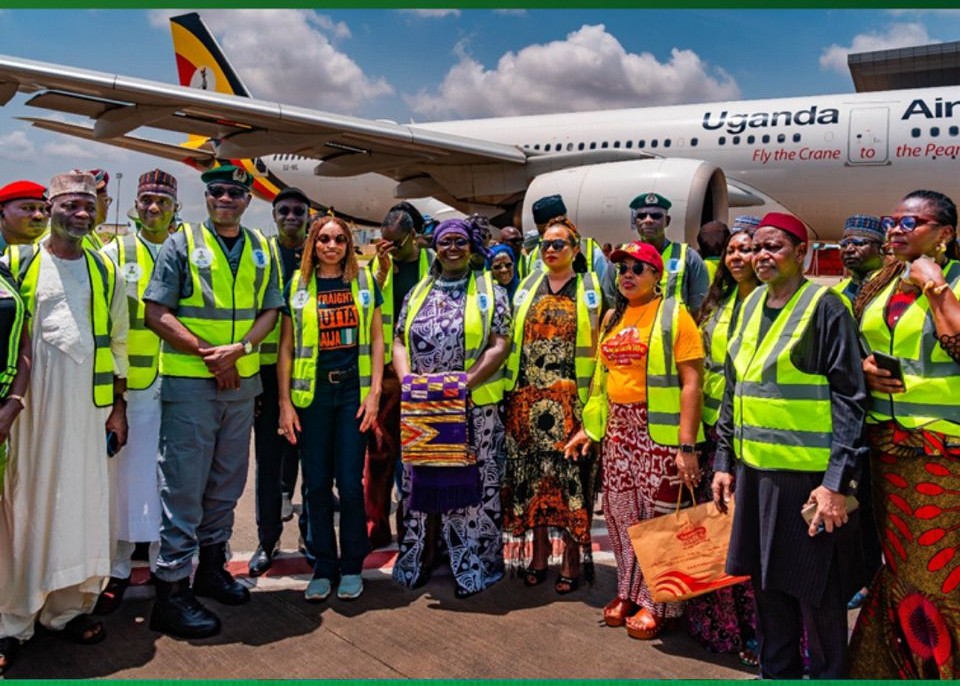
Led by the Federal Ministry of Industry, Trade and Investment in collaboration with the United Nations Development Programme (UNDP) and Uganda Airlines, the initiative was formally introduced during a high-profile ceremony at Nnamdi Azikiwe International Airport in Abuja.
According to the Honourable Minister of Industry, Trade and Investment, Dr Doris Uzoka-Anite, the corridor delivers on President Bola Ahmed Tinubu’s commitment to diversify Nigeria’s economy through strategic trade expansion across Africa.
Exporters using the corridor will access major trade hubs in Uganda, Kenya, and South Africa with air freight rates slashed between 50 and 75 percent, inclusive of regulatory charges.
The programme is specifically designed to empower MSMEs by lowering logistics costs, accelerating delivery timelines, and reducing export risks.
Preferential cargo rates will be available to businesses affiliated with recognised national trade bodies such as NACCIMA, NASME, NASSI, and WCCIMA.
Following the formal gazetting of Nigeria’s Provisional Schedule of Tariff Concessions (PSTCs) in April 2025, this initiative signals Nigeria’s strengthened position within AfCFTA.
Support from the UNDP Regional Bureau for Africa and multiple government agencies has been critical in laying the foundation for this cross-border trade corridor.
Flights will operate out of Lagos and Abuja, with support from the Ministries of Finance, Aviation, and Economy, alongside the Nigeria Customs Service and Federal Airports Authority of Nigeria.
Dr Uzoka-Anite praised these institutions for their instrumental role in executing the corridor’s deployment.
The inaugural flight carried a diverse shipment of Made-in-Nigeria goods, including textiles, fashion accessories, cosmetics, and agro-processed products.
Notably, all the exporters featured on the first flight were women, marking a defining moment for gender inclusion in African trade.
These entrepreneurs were hailed as pioneers shaping Nigeria’s role in the future of intra-African commerce.
AfCFTA-compliant tariffs now in effect allow Nigerian exports to move across Africa at lower cost.
The Federal Government reaffirmed its support for exporters taking advantage of these opportunities, encouraging bolder engagement across the continent.
Nigerian firms are now better positioned to scale operations, enter new markets, and strengthen economic ties within Africa.