By Joke Kujenya
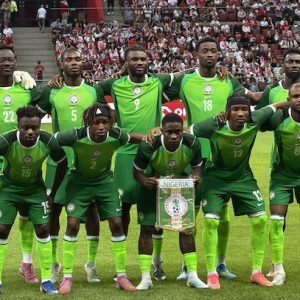
NIGERIA’s EFFORT to reverse its elimination from the 2026 FIFA World Cup ended after the global football governing body dismissed a formal complaint lodged against the Democratic Republic of Congo, bringing the qualification dispute to a close.
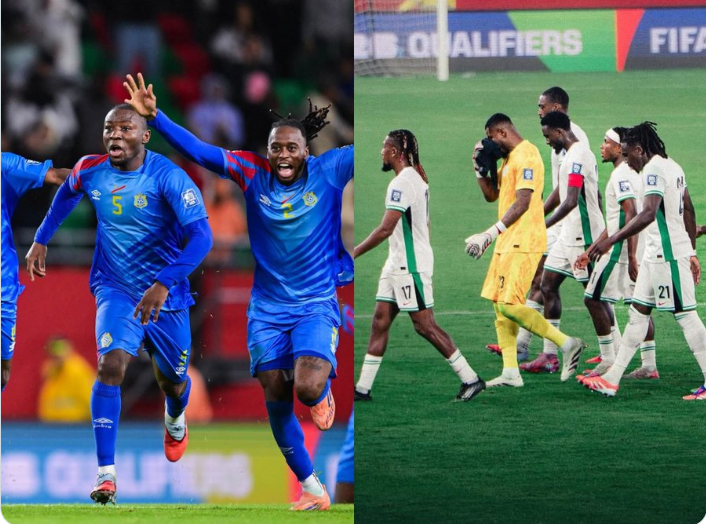
The challenge followed the intercontinental playoff final played on 16 November in Rabat, Morocco, where Nigeria and DR Congo drew 1-1 after regulation time before DR Congo secured victory 4 3 on penalties.
The outcome initially knocked Nigeria out of the qualification process, prompting the Nigeria Football Federation (NFF) to contest the result through official channels.
The NFF had alleged that a number of DR Congo players who took part in the match were ineligible under competition regulations.
This complaint centred on claims of potential breaches involving player eligibility and registration, with Nigeria requesting that FIFA review the circumstances surrounding the participation of those players.
Promptly, FIFA initiated a detailed examination of the complaint, directing both national associations to submit extensive documentation.
The materials requested included player registration records, nationality documents and relevant correspondence linked to the eligibility of the players in question whilst the review process was conducted under FIFA statutes and Confederation of African Football (CAF) competition rules.
Following its assessment, FIFA rejected Nigeria’s complaint, citing insufficient evidence to support the claims.
Moreover, the adjudicatory body determined that the allegations regarding the ineligibility of nine Congolese players were not substantiated by the documentation provided during the review.
In its ruling, FIFA found that all DR Congo players involved in the match were properly registered and cleared to participate.
Its decision confirmed that the players met the necessary requirements under existing regulations and that no breaches of eligibility rules had occurred.
Also, the ruling upheld the original result of the intercontinental playoff final and confirmed DR Congo’s place in the ongoing World Cup qualification process.
FIFA further stated that eligibility matters are assessed strictly on the basis of verified documentation and that the examination identified no violations.
As a result of the decision, Nigeria’s World Cup qualification campaign has formally ended, with no alternative route available to re-enter the competition. FIFA’s ruling leaves no pathway for Nigeria to progress further in the 2026 qualification process through the disputed fixture.
The football governing body reiterated its commitment to strict procedural standards when handling eligibility complaints as FIFA also emphasised that all such cases are reviewed through established mechanisms that rely solely on documentary evidence submitted by the involved parties.
In its statement, FIFA said the decision is regarded as final, with no further appeal anticipated.
Meanwhile, the outcome has intensified frustration among Nigerian supporters and officials after what has been described as a challenging qualification campaign for the national team.
Also, for DR Congo, the ruling clears the way to continue preparations for the next stage of the World Cup qualification journey as the confirmation of their eligibility and progression allows the team to move forward without uncertainty over the disputed match.
Nigeria, meanwhile, faces a period of reassessment following the conclusion of its World Cup ambitions for this cycle.
Also, attention is expected to shift toward upcoming international commitments, including preparations linked to Africa Cup of Nations fixtures.
FIFA said the resolution of this case brings an end to weeks of uncertainty surrounding the playoff result and the eligibility allegations adding that its rejection of the complaint affirms the governing body’s stance that competition outcomes will stand unless clear and verified evidence of regulatory breaches is established.
The football governing body also noted that with the matter settled, the focus now returns to the pitch for both nations, as DR Congo advances in the qualification process and Nigeria begins planning for future international competitions beyond the 2026 World Cup.