By Joke Kujenya
EARTH’s NATURAL systems are under mounting pressure from unsustainable consumption; Population Matters has stated in a press release highlighting the Year 2025 Earth Overshoot Day.
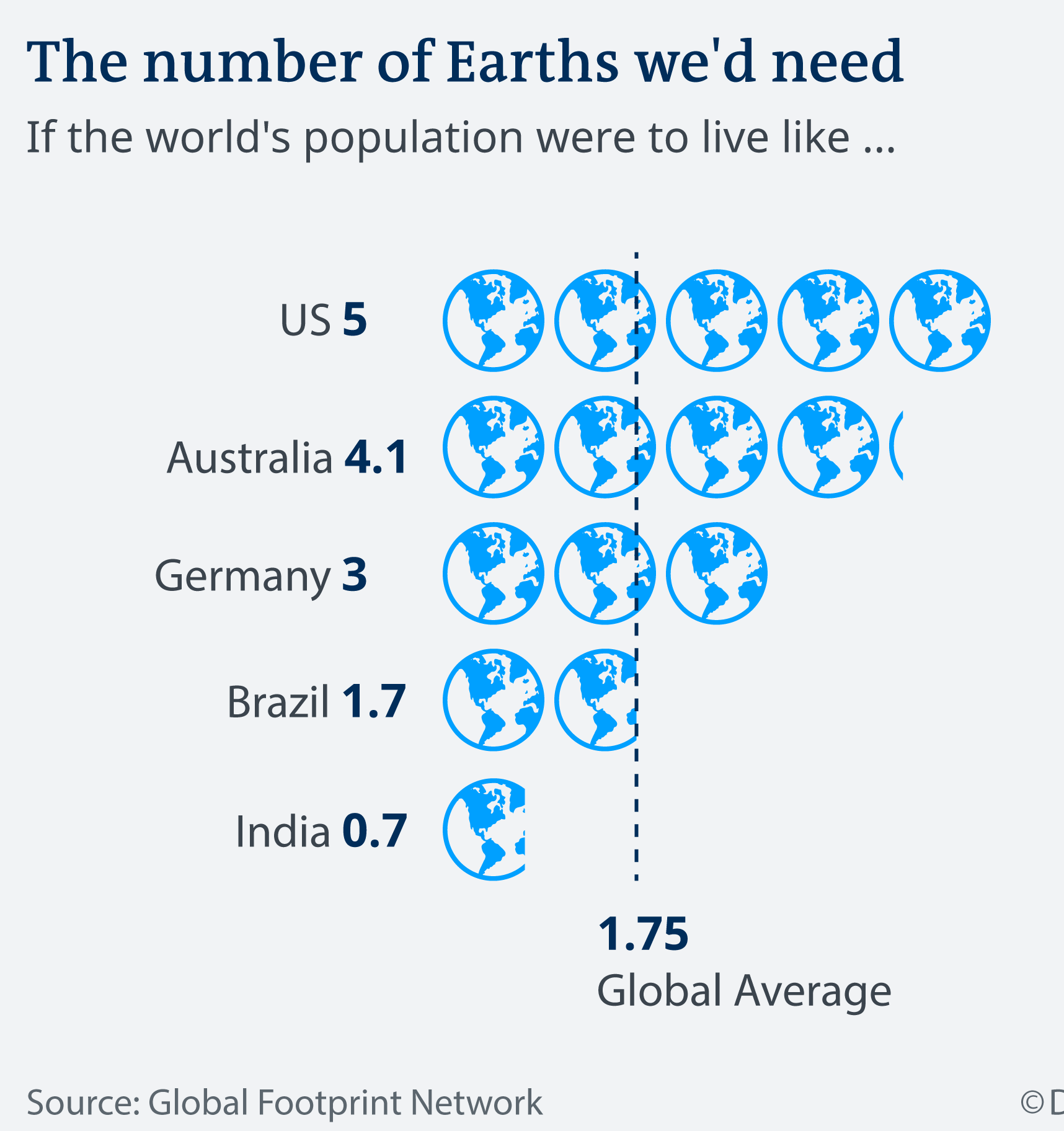
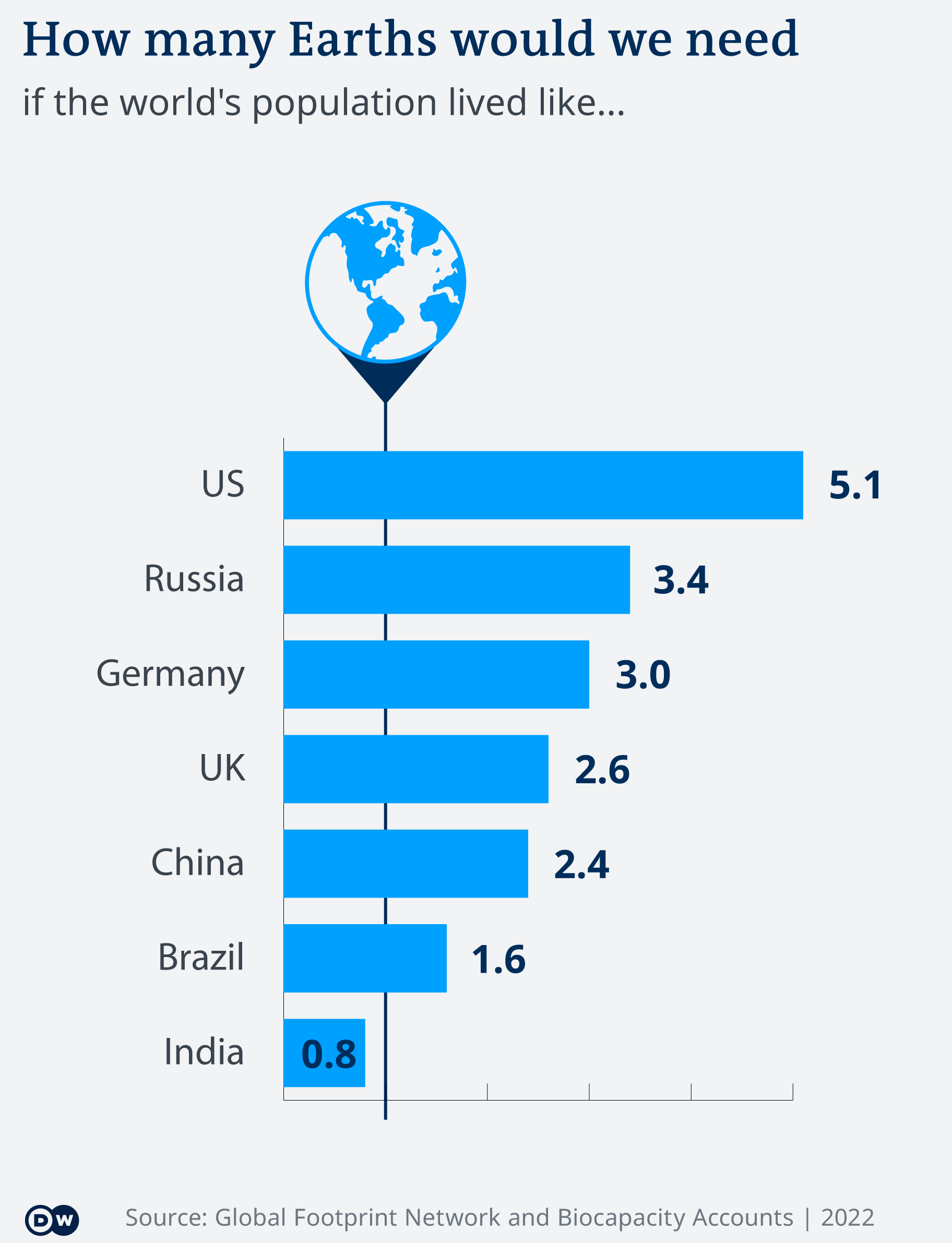
The group also warned that humanity is using natural resources 80% faster than the planet can regenerate, citing Global Footprint Network data showing that if everyone lived like the average United Kingdom (UK) resident, 2.6 Earths would be required to meet demand.
The statement noted that forests, oceans and fertile soils are deteriorating due to over-extraction, with deforestation, overfishing and mining pushing ecosystems towards collapse.
Earth Overshoot Day, calculated annually, marks the point at which the world has consumed its yearly ecological budget; in 2024, that date falls on 24 July, meaning the remainder of the year is sustained by depleting natural capital.
Population Matters adds that the effects of this overuse are increasingly visible, with more frequent extreme weather events linked to ecosystem breakdown.
It cited the Horn of Africa’s prolonged drought from 2020 to 2023 followed by devastating floods in 2024 as an example of how environmental degradation can intensify natural disasters.
The organisation also referenced scientific assessments indicating biodiversity is being lost up to 1,000 times faster than a century ago, warning that current trends are driving what scientists call the Sixth Mass Extinction.
According to the United Nations Global Resources Outlook 2024, global resource use has tripled over the past 50 years, driven largely by rising affluence and population growth.
The report projects a 60% rise in resource use by 2060, with the global population expected to reach 10.3 billion by the mid-2080s.
Population Matters further emphasised that while green technology can play a role, it cannot fully offset the strain caused by current consumption patterns.
The group urged urgent action to reduce ecological debt through lower consumption, particularly in high-income countries, and by addressing barriers to reproductive healthcare and education in regions where population growth is highest.
It concluded that coordinated global efforts are needed to protect ecosystems and secure a sustainable future.