By JKNewsMedia
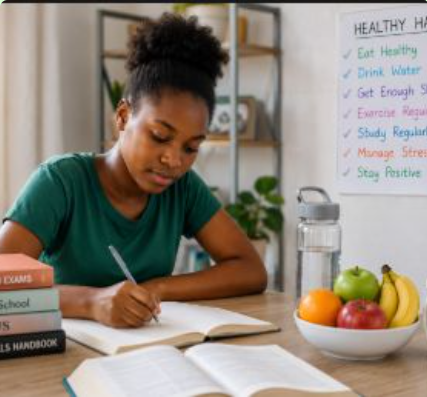
ACADEMIC SUCCESS depends not only on good grades but also on maintaining physical and mental wellbeing through healthy daily habits. Positive routines can improve concentration, increase energy, reduce stress and make learning more enjoyable.
JKNewsMedia.com notes that experts advise developing healthy habits takes time, but every small step contributes to lasting change.
Making these practices part of a daily routine can help students perform better academically while promoting a healthier, happier and more balanced lifestyle beyond their school years.
Eating a balanced diet provides the nutrients the brain needs to function effectively. Fruits, vegetables, whole grains and protein rich foods can improve memory, concentration and energy levels.
Students are also encouraged not to skip breakfast because it helps them stay focused throughout the day.
Staying hydrated remains equally important.
Drinking enough water helps prevent headaches, improves concentration and keeps the body functioning properly. Carrying a reusable water bottle can make it easier to maintain adequate hydration during busy school days.

Getting between seven and nine hours of sleep each night allows the brain and body to recover. Quality sleep improves learning, memory and mood while reducing stress and fatigue.
Regular exercise also supports physical and mental wellbeing. Walking, jogging, cycling, dancing or playing sports for at least 30 minutes a day can improve physical health and reduce anxiety.
Creating a study routine helps students stay organised and avoid last minute cramming. Breaking work into smaller tasks also makes learning less overwhelming.
Limiting recreational screen time can improve productivity and support better sleep. Setting boundaries for time spent on social media and videos allows greater focus on studies and personal growth.

Practising good personal hygiene through regular hand washing, brushing teeth twice a day, bathing and wearing clean clothes helps prevent illness while boosting self-confidence.
Students are also encouraged to manage stress in healthy ways.
Praying, meditating, journalling, listening to music or talking to someone they trust can help them cope with pressure effectively.

Reading books, newspapers and educational articles beyond classroom assignments broadens knowledge, improves communication skills and encourages critical thinking.
Building friendships with positive people can also influence attitude and behaviour. Spending time with classmates who encourage hard work, good decisions and motivation supports positive personal development.
—