By Jemimah Wellington, JKNewsMedia Correspondent
NIGERIA’s HEADLINE inflation rate eased to 15.1 percent in January 2026 from 15.15 percent in December 2025, the National Bureau of Statistics (NBS) said on Monday.
“The January 2026 Headline inflation rate showed a decrease of 0.05% compared to the December 2025 Headline inflation rate,” the NBS stated.
JKNewsMedia.com reports that the year on year, inflation fell by 12.51 percentage points from 27.61 percent in January 2025.
Month-on-month, headline inflation stood at -2.88 percent, down from 0.54 percent in December 2025, indicating a slower rise in average price levels.
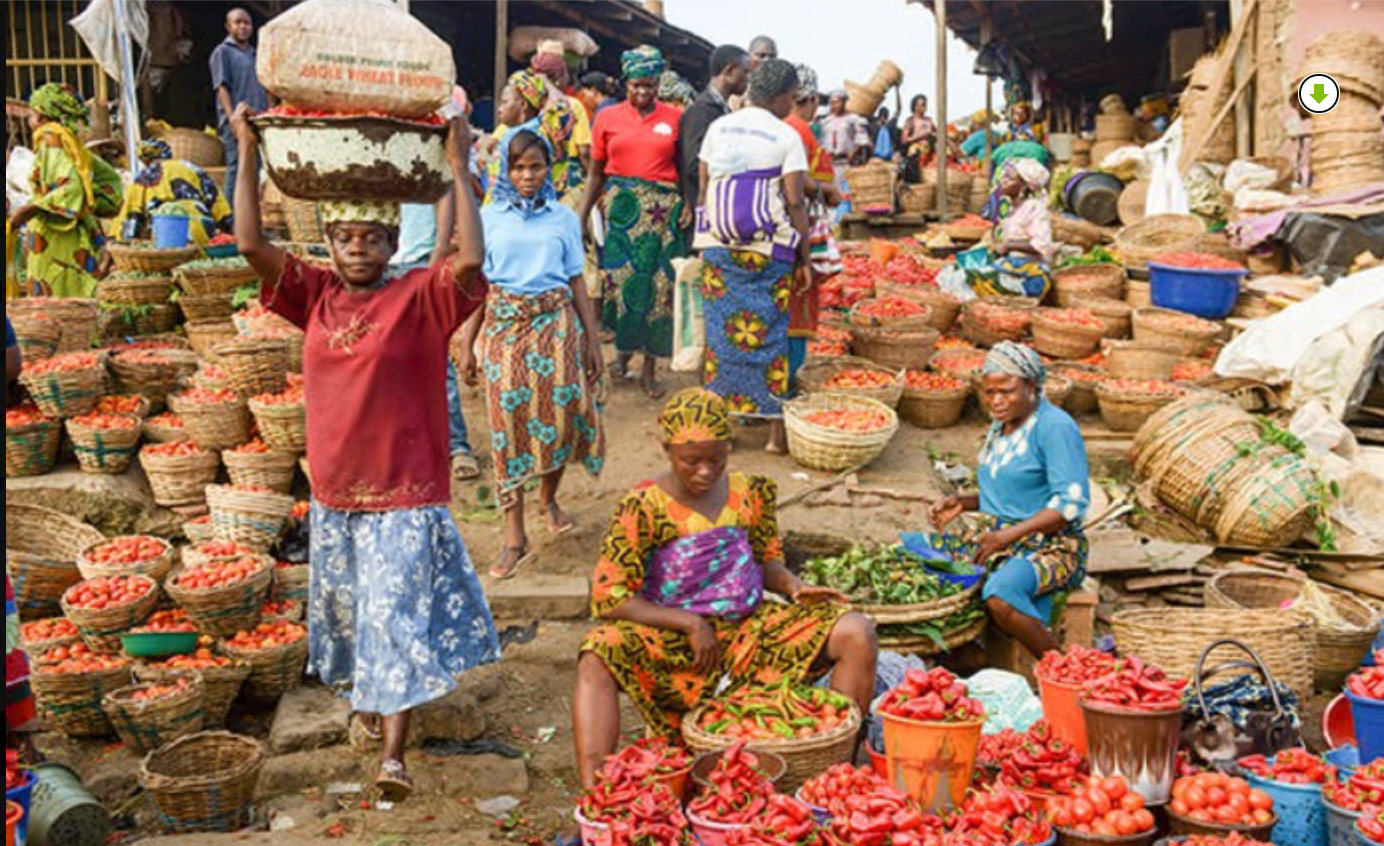
Food inflation, which accounts for the largest share of household spending, dropped to 8.89 percent year on year from 29.63 percent a year earlier.
Month-on-month, food prices fell by 6.02 percent, compared to -0.36 percent in December 2025.
The NBS also attributed the decline to falling prices of Water Yam, Eggs, Green Peas, Groundnut Oil, Soya Beans, Palm Oil, Maize Corn Grains, Guinea Corn, Beans, Beef Meat, Melon Egusi Unshelled, Cassava Tuber, and Cow Peas White.
The 12-month average food inflation rate eased to 20.29 percent in January 2026 from 38.47 percent a year earlier.
Core inflation, which excludes volatile agricultural produce and energy, stood at 17.72 percent annually, down from 25.27 percent in January 2025.
Month-on-month, core inflation fell to 1.69 percent from 0.58 percent in December 2025, while the 12-month average eased to 22.84 percent from 27.24 percent.
Regionally, year-on-year food inflation was highest in Kogi at 19.84 percent, Benue at 18.38 percent, and Adamawa at 17.29 percent.
Ebonyi recorded 1.69 percent, Abia 3.23 percent, and Imo 3.74 percent as the slowest increases. On a month-on-month basis, food inflation was highest in Imo at -1.26 percent, Akwa Ibom at -2.21 percent, and Zamfara at -2.96 percent, while Yobe at -11.88 percent, Nasarawa at -9.06 percent, and Sokoto at -8.31 percent saw declines.
JKNewsMedia.com also that urban inflation fell to 15.36 percent year on year from 29.45 percent, with month-on-month inflation at 2.72 percent.
The 12-month average urban rate rose to 22.30 percent. In rural areas, year-on-year inflation declined to 14.44 percent from 25.04 percent, with month-on-month inflation at 3.29 percent and the 12-month average at 21.03 percent from 30.79 percent.
Report also states that the NBS data precedes the Central Bank of Nigeria (CBN)’s Monetary Policy Committee meeting scheduled for February 23-24, 2026.