

By Joke Kujenya
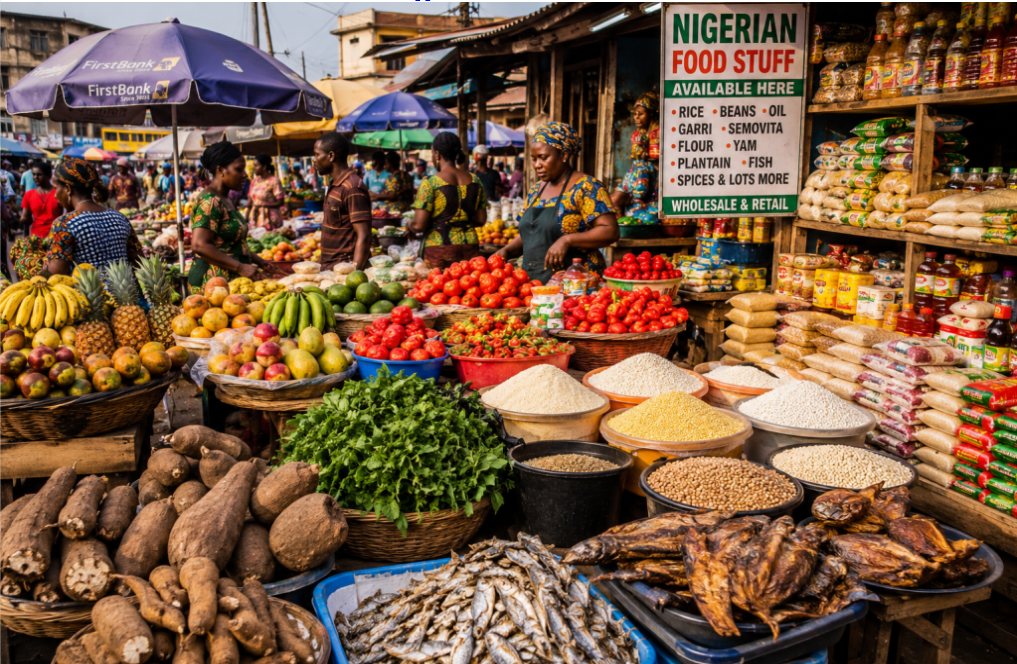
AT MILE 12 Market in Lagos, traders call out prices of fruits and vegetables as buyers call out prices of fruits and vegetables as buyers pause between baskets of tomatoes, leafy greens and plantain, weighing what goes home and what is left behind.
JKNewsMedia.com reports that in many households, the same daily calculation continues in kitchens where meals are shaped by availability, cost and familiarity.
Ahead of World Nutrition Day (WND) on 28 May, renewed health guidance is issued drawing attention to how everyday food choices influence long-term wellbeing.
According to the health information released for the observance, it states that adults should aim for at least 400g of fruits and vegetables daily, while free sugars should remain below 10 percent of total energy intake.
It also warns that excessive salt consumption remains a key risk factor for high blood pressure and heart disease.
Dietary guidance in the document highlights whole grains, legumes, fruits and vegetables as core components of a healthy diet, linked to lower risks of cardiovascular disease, stroke, diabetes and certain cancers.
It also notes that nutrition is shaped not only by individual choices but by wider realities such as rising food costs, urban lifestyles and increased reliance on processed foods.
Against this backdrop, households are encouraged to adopt simple practical measures – choosing fresh or minimally processed foods where possible, drinking more water, limiting sugary drinks, reducing salty snacks, and opting for steaming or boiling instead of frying.
WND officials further emphasise that healthy eating begins early in life, with breastfeeding supporting infant growth and cognitive development, while dietary patterns formed in childhood often persist into adulthood.
At the centre of the document are four principles of healthy diets: adequacy, balance, moderation and diversity whilst food safety is also stressed, with an emphasis on diets free from microbial and chemical contamination.
The 2026 guidance points to broader global shifts in eating habits driven by urbanisation and changing lifestyles, with increasing consumption of highly processed foods high in fat, sugar and salt, alongside persistently low intake of fibre-rich foods.
Also in the 2026 document, nutritional recommendations stress carbohydrates from whole grains, fruits, vegetables and pulses, alongside balanced protein intake from both plant and animal sources.
It says that fat intake should prioritise unsaturated fats from plant oils, nuts, seeds and fish, while limiting saturated and trans fats.
Adults are also advised to keep salt intake below 5g per day, largely by reducing processed foods and high-sodium condiments.
WND advises that micronutrients remain essential, with diets rich in fruits, vegetables, legumes, nuts, seeds and lean proteins encouraged to support overall health and reduce the risk of deficiency and disease.
Conclusively, health authorities continue to warn that unhealthy diets remain a leading risk factor for non-communicable diseases and malnutrition in all its forms, stressing the need for consistent, balanced dietary habits across all stages of life.
—





Great. Nigeria should partocipate more in globally declared days for more awareness.
Yes indeed, but so far, Nigerians are trying, only that our government don’t encourage the impacts to be better seen. Thanks for your comments.