

By Joke Kujenya
A CITY’s ambition is ultimately measured not by its grand plans or public declarations, but by the everyday experiences of the people who live and work in it.
For Lagos, Africa’s most populous city, and undoubtedly one of the continent’s biggest economic hubs, waste management has become one of the clearest tests of governance.
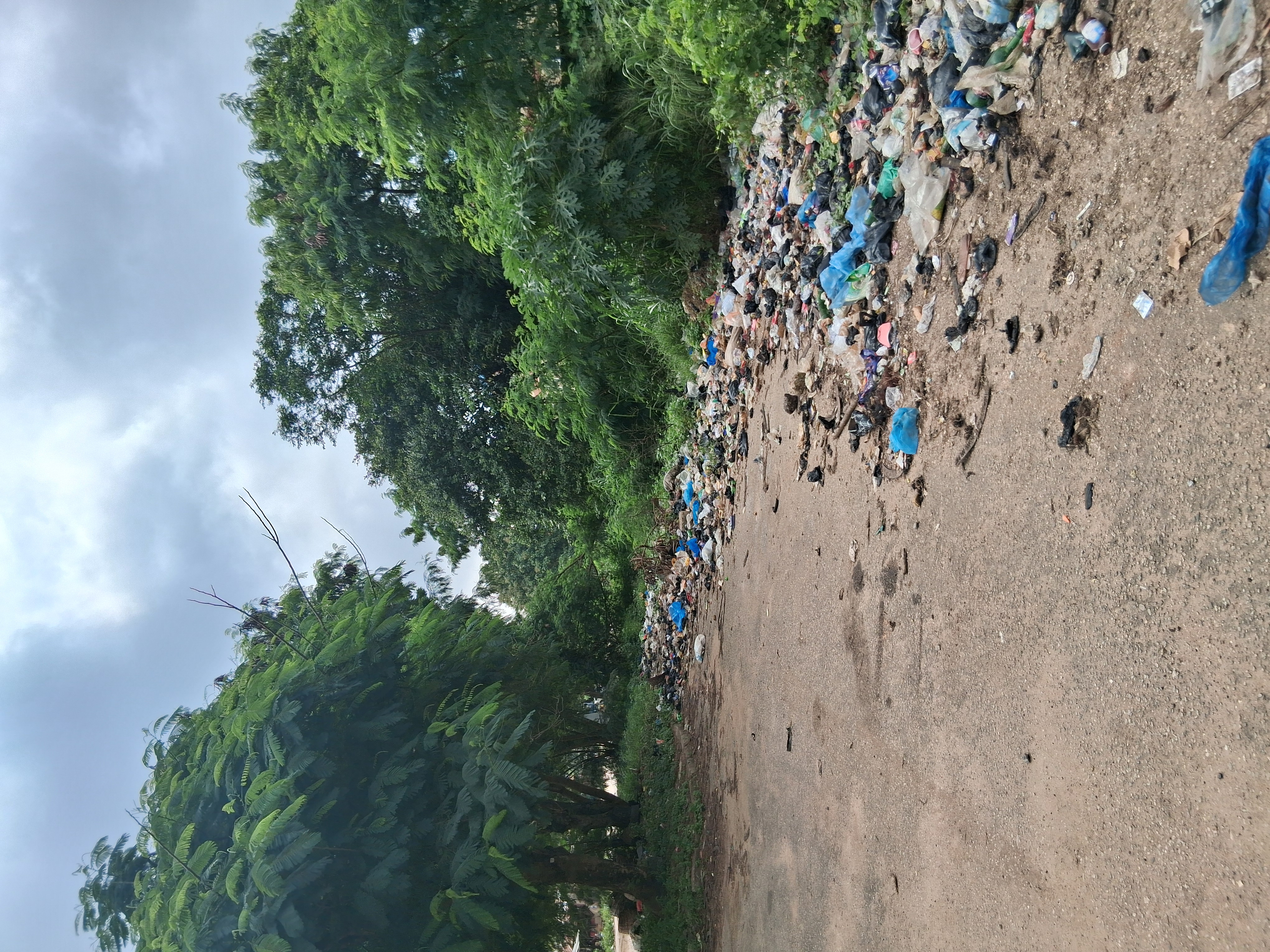
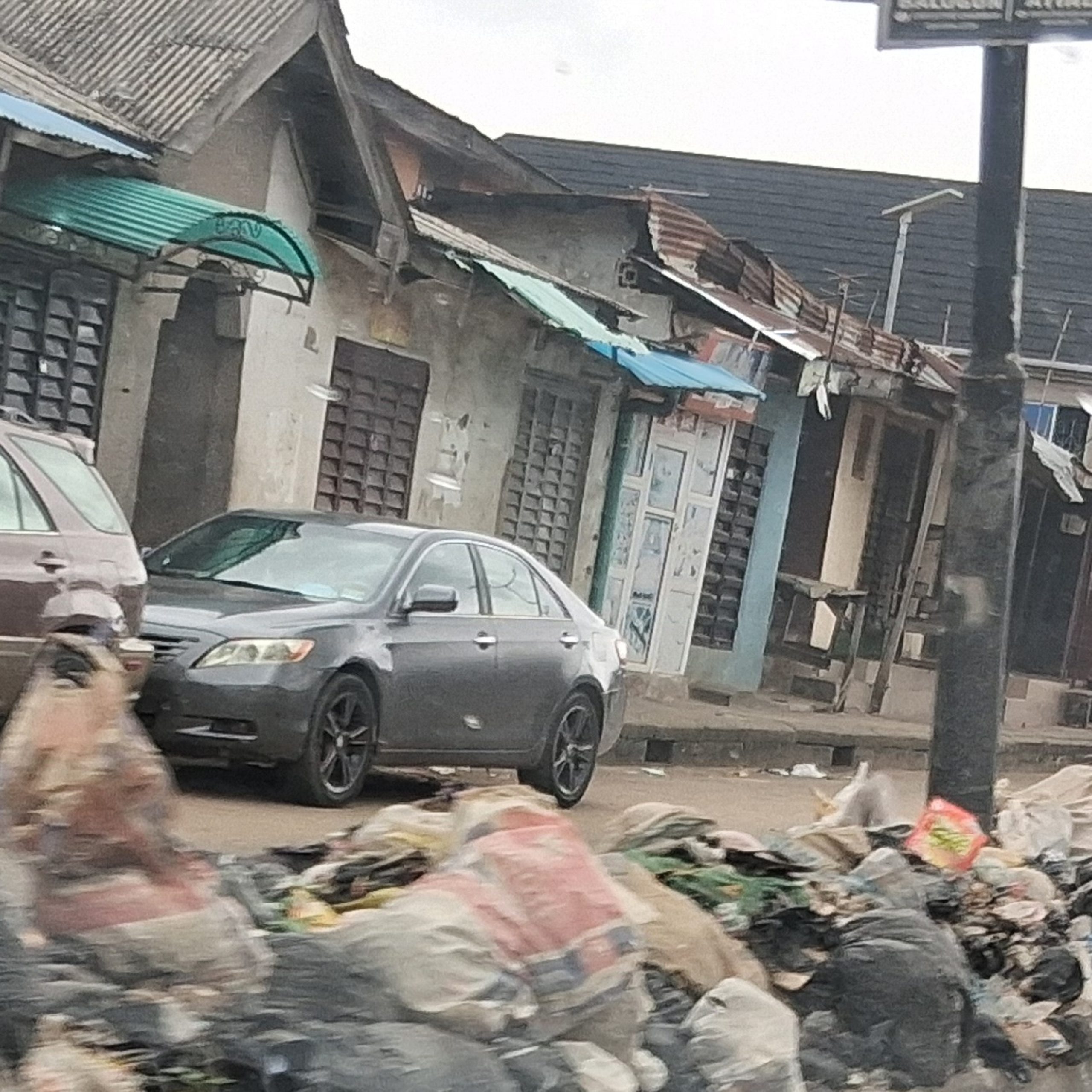
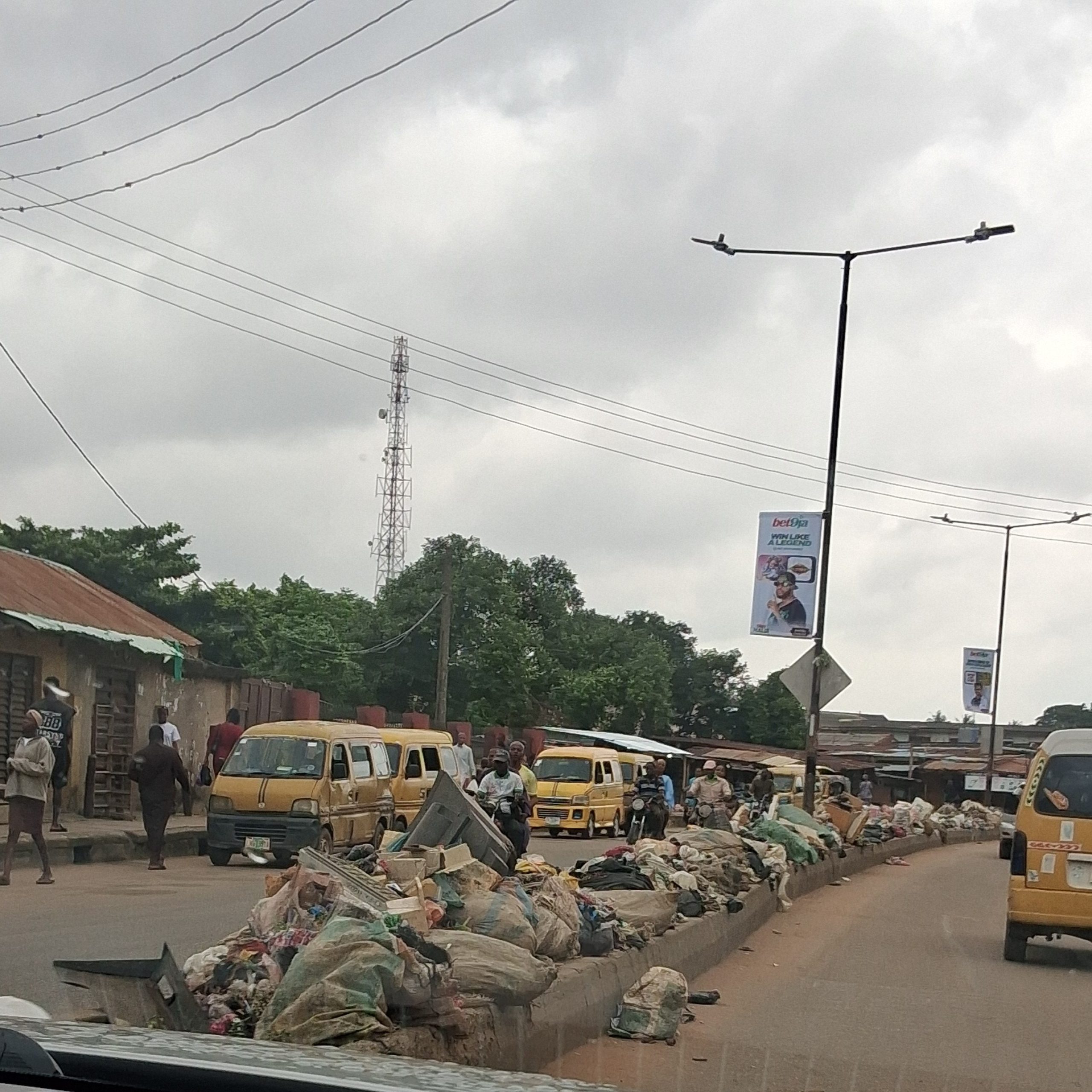
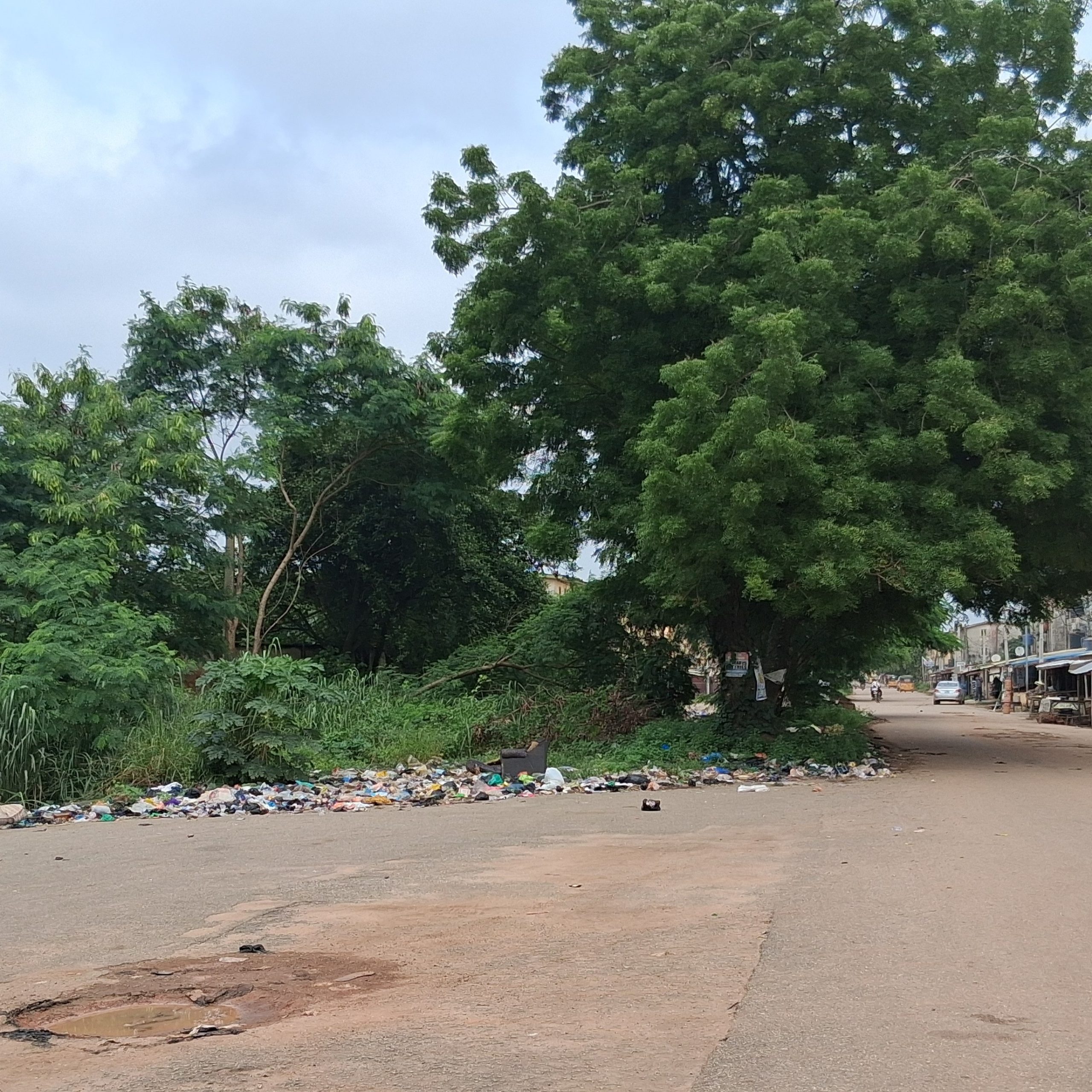
While the state Governor Babajide Sanwo-Olu continues to promote a vision of a cleaner, smarter and more livable megacity through infrastructure investment, environmental reforms and urban renewal, several of her residents confront a different reality: overflowing refuse points, irregular waste collection and drainage channels choked with garbage.
Daily realities show the widening gap between official ambition and lived experience that has pushed waste management beyond an environmental concern.
It has become a measure of institutional effectiveness, public health, economic competitiveness and the credibility of Lagos’ broader development agenda.
A city aspiring to global standards cannot afford to treat basic sanitation as a secondary priority. No! It cannot!
The Rhetoric Versus Reality
The Lagos State Government has consistently presented a narrative of transformation, highlighting investments aimed at modernising infrastructure, improving environmental standards and positioning the state as a globally competitive city.
That vision reflects legitimate ambition. But ambition alone does not define a world-class city. Does it?
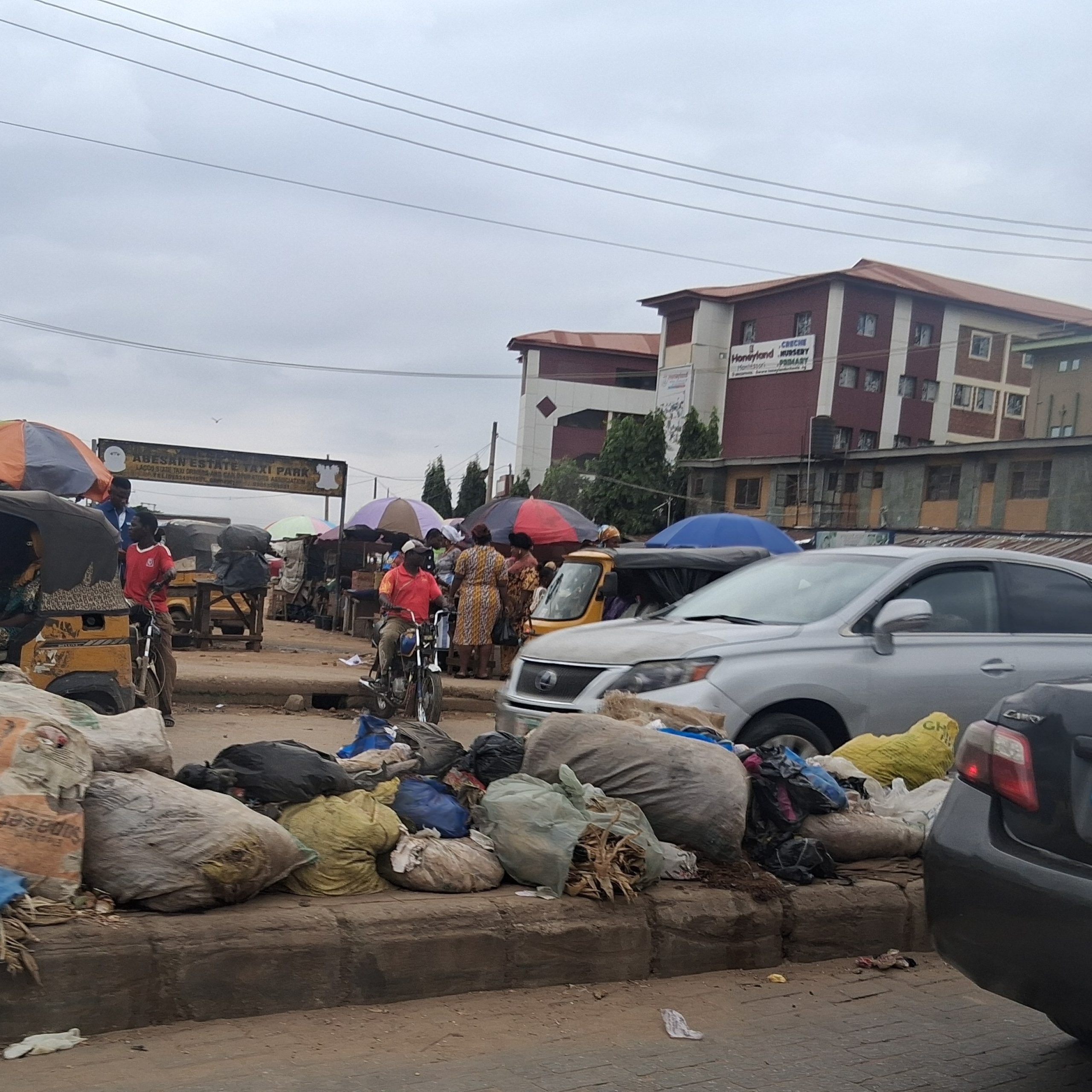
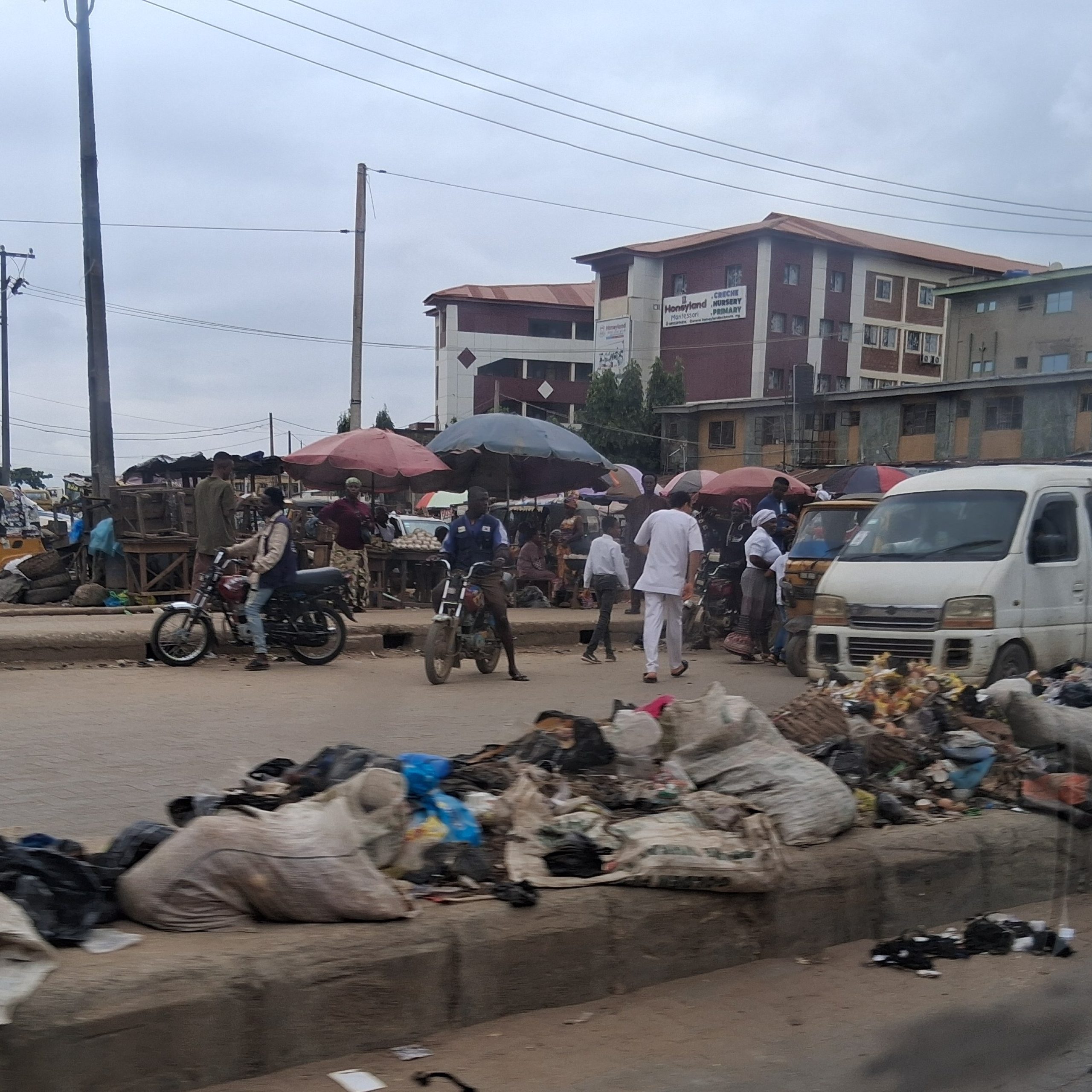
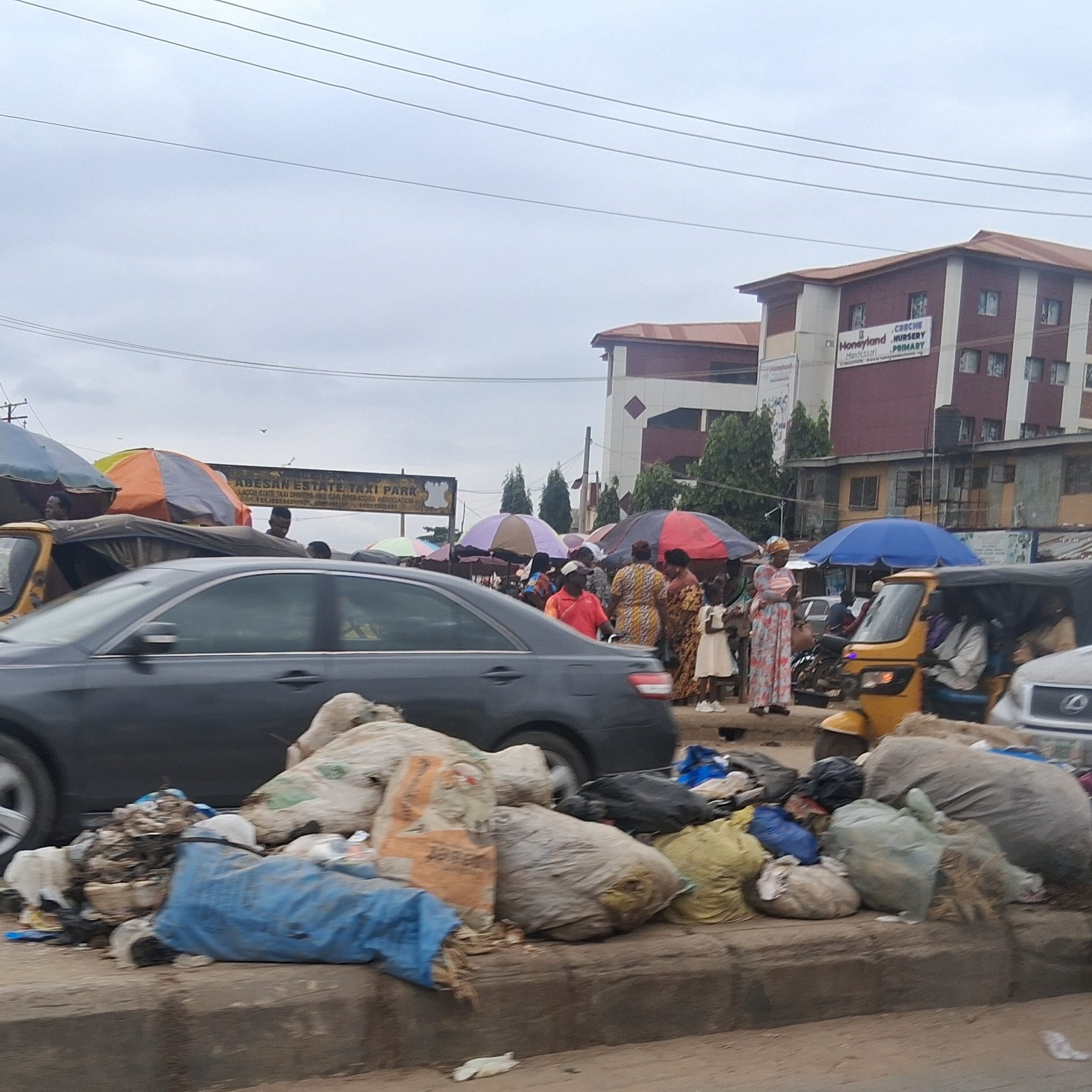
Across several residential and commercial districts, residents continue to report delayed waste collection, overflowing communal bins and refuse heaps that remain uncleared for days or even weeks.
In some communities, accumulated waste has become an almost permanent feature of the streetscape, undermining confidence in the city’s environmental management system.
For people navigating these conditions every day, debates about Lagos’ global aspirations can appear disconnected from reality.
Our governments need to know that a city’s reputation is built not only on new highways, bridges and investment forums, but also on whether its residents can move through clean, safe and healthy neighbourhoods.
The contradiction is increasingly difficult to ignore – on a daily basis.
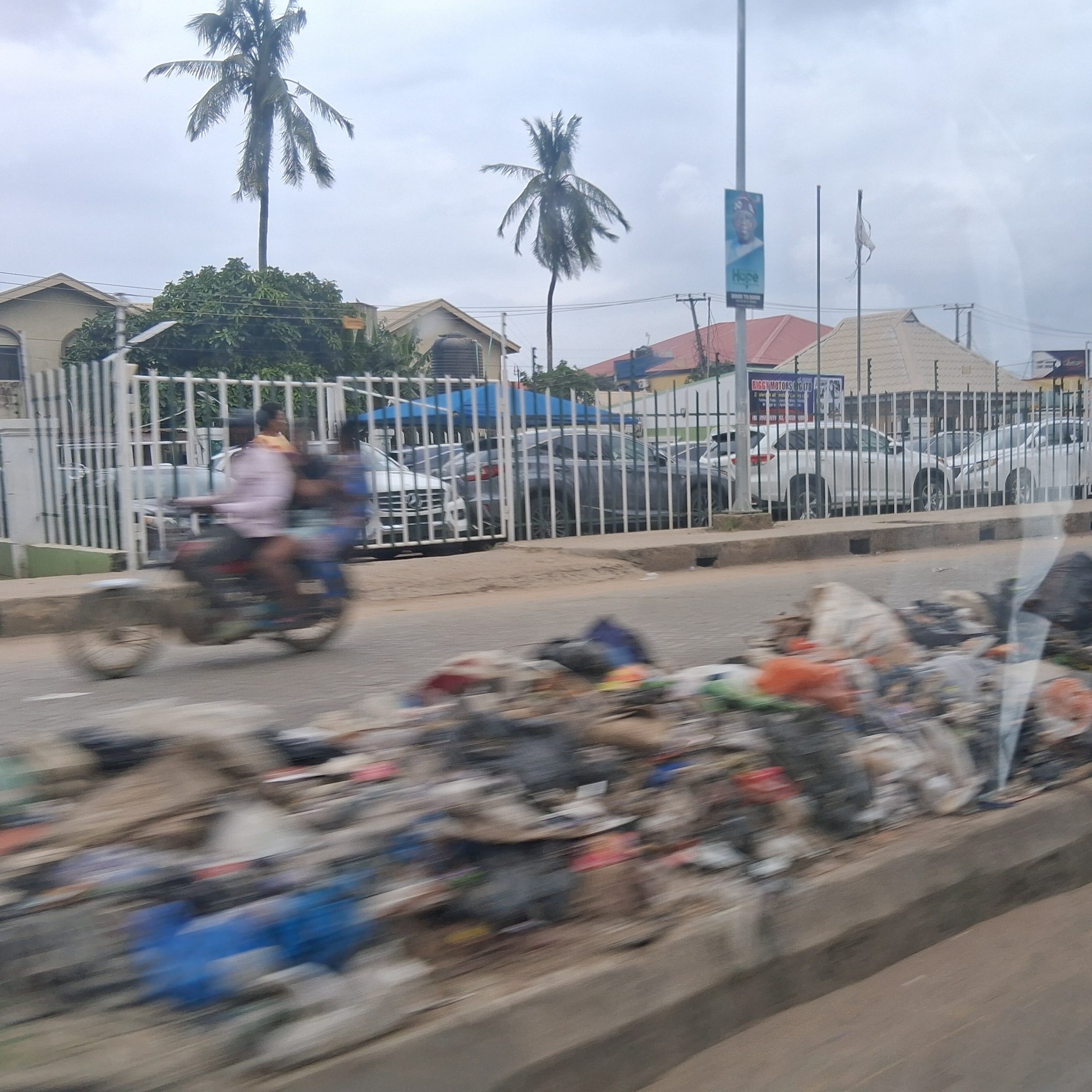
Effective governance is measured as much by reliable public services as by landmark infrastructure projects, and waste collection remains one of the most visible indicators of administrative performance.
How the System Came Under Pressure
The current waste challenge cannot be attributed to a single failed collection exercise or isolated acts of indiscriminate dumping.
It reflects structural pressures within a system struggling to keep pace with one of Africa’s largest and fastest-growing urban populations.
The Lagos Waste Management Authority (LAWMA), working alongside Private Sector Participation (PSP) operators, was designed to combine government oversight with private-sector efficiency in waste collection and disposal.
As the city’s population has expanded, however, that model has come under increasing strain.
Operational Challenges
Managing waste in a megacity requires consistent coordination, adequate equipment, efficient transport routes, transfer facilities and reliable disposal infrastructure.
Any disruption, whether caused by insufficient vehicles, equipment breakdowns, traffic congestion or limited access to certain communities, can quickly lead to mounting refuse that outpaces collection efforts.
What begins as a temporary service disruption can, and has rapidly become a prolonged environmental problem.
Financial Pressures
Waste management is among the most expensive public services any city provides.
Collection vehicles, personnel, protective equipment, landfill operations, recycling programmes and environmental enforcement all require sustained funding.
Where operators struggle financially or contractual arrangements become unsustainable, service quality inevitably suffers.
The broader question for policymakers is whether the existing funding model adequately reflects the scale and complexity of Lagos’ waste management needs.
Public Behaviour and Enforcement
Governments, either federal os states, responsibility does not eliminate public responsibility.
Illegal dumping into drainage channels, waterways and roadside spaces continues to worsen environmental conditions and increase flood risks.
At the same time, public compliance depends on confidence that regulations are consistently enforced and that waste collection services are reliable.
But environmental laws lose their deterrent value when enforcement is sporadic and penalties are rarely applied.
Sustainable waste management therefore requires both effective public services and responsible civic behaviour.
Beyond Refuse: Public Health and Economic Consequences
For me, the implications of poor waste management extend well beyond unpleasant surroundings.
As the rainy season intensifies, blocked drainage systems increase the likelihood of flooding, particularly in a low-lying coastal city already vulnerable to heavy rainfall.
Accumulated refuse also obstructs waterways, turning seasonal downpours into more severe environmental hazards.
Thus, public health risks are equally significant.
At the same time, decomposing waste encourages the spread of rodents, flies and mosquitoes, while contaminated water sources heighten the risk of outbreaks of waterborne diseases, especially in densely populated communities with limited sanitation infrastructure.
There are also substantial economic costs.
Communities burdened by persistent refuse become less attractive to businesses and investors.
Traders lose customers, property values decline, tourism suffers and residents’ confidence in their environment diminishes.
After all, a city’s image is an economic asset, and visible failures in basic sanitation inevitably shape perceptions of governance and investment readiness.
What Lagos Must Do
For the Lagos State Government under the watchful eyes of the dynamic Commissioner for Environment, Mr. Tokunbo Wahab, addressing the waste crisis requires more than periodic clean-up exercises or social media posts.
It demands sustained institutional reform and measurable accountability.
First, government must clear existing waste backlogs through a transparent emergency operation. This is not the time to leave such to residents. Clear the wastes first; then, put stricter measures in place to be toughly enforced.
LASG should also identify heavily affected areas, establish measurable collection targets, publish regular progress reports and subject recovery efforts to independent monitoring.
This is also not a media TV for shows approach. Transparency would allow residents to assess performance rather than rely solely on official assurances.
Second, strengthen the LAWMA–PSP partnership through performance-based accountability. Let it be seen that this is done now as anything eclectic the way things are currently.
Collection operators should be assessed against clearly defined standards covering collection frequency, equipment availability, response times and service quality.
Consistent underperformance should attract sanctions, while effective operators receive the support necessary to sustain efficient service delivery.
Third, reinforce environmental enforcement while strengthening public education. There cannot be any compromise on this.
Illegal dumping cannot remain a low-risk offence.
Rather, consistent enforcement, supported by technology, community reporting mechanisms and public awareness campaigns, is essential to changing behaviour.
Lasting improvements will depend on both accountable government institutions and responsible citizens.
Wrapping Up
Without a doubt, Lagos, my state of origin and city of residence, possesses the ambition, economic significance and human capital to become one of the world’s leading cities.
But global status is earned through the consistent delivery of essential public services, not through ambition alone.
Therefore, clean streets, dependable waste collection and healthy neighbourhoods are not cosmetic achievements; they are fundamental measures of effective governance and public trust.
The city’s growing waste challenge exposes a gap between aspiration and everyday reality.
Bridging that gap will require sustained political commitment, stronger institutions and greater accountability, not lip service and areas-selective system of politics we are currently seeing around.
Until then, the success of Lagos’ transformation agenda will continue to be judged not by official projections, but by what residents encounter outside their own front doors.
One can only hope the government is listening or are they stylishly leaving the problems for the next government to mount the podium? Only time will tell.
—





An insightful report highlighting the importance of closing the gap between policy and implementation in waste management. Sustainable sanitation requires more than government initiatives alone; it depends on effective enforcement, adequate infrastructure, and active public participation. Continued collaboration among government, the private sector, communities, and residents is essential to building cleaner, healthier, and more resilient cities. Thank you for bringing attention to this important environmental issue.