By Joke Kujenya
SOME WORLD Cup finals are decided in a flash, a mistake, a moment of individual brilliance, a penalty shootout that leaves one team celebrating and another wondering what might have been.
This was different.
Spain’s victory over Argentina was not built on one dramatic incident.
It was constructed patiently over 120 minutes, through control of possession, intelligent movement and a refusal to allow the game to become the chaotic contest Argentina needed.
The final score – Spain 1-0 Argentina – tells only part of the story.

Argentina fought until the end, defending with the spirit of champions and refusing to surrender the space Spain spent the evening trying to create.
But while Argentina survived, they rarely looked like a team capable of taking control.
The defining moments of the match were not spectacular. They were subtle.
Midway through the second half, Argentina won possession three times in quick succession.
Each time, Spain responded immediately, pressing, recovering and forcing the game back into the same pattern.
It was a small passage of play, but it explained the final better than any statistic. Argentina were searching for openings. Spain were deciding where the game would be played.
From the first whistle, Spain looked like the side with the clearer idea. They circulated the ball with purpose, stretched Argentina’s defensive shape and repeatedly forced the defending champions deeper towards their own goal.
Argentina competed. They worked. They resisted.
But too often they were reacting rather than imposing themselves.
For Argentina, this final represented another chance to extend one of the greatest modern eras in international football.
Having lifted the trophy in Qatar four years earlier, they arrived hoping to become only the latest nation to successfully defend the World Cup.
Spain, meanwhile, wanted more than another major trophy.
After winning the European Championship, they were looking for confirmation that their footballing identity built around technical quality, intelligent positioning and control, could once again conquer the world.
By the time Ferran Torres found the winner in extra time, Spain had already done the hardest part.
They had taken away Argentina’s rhythm.
They controlled possession.
They controlled territory. Most importantly, they controlled the spaces where Argentina’s best players could hurt them.
The midfield battle decided everything
The final was won in midfield. That was where Spain created the advantage, and where Argentina spent much of the night trying to recover from it.
Rodri once again produced the kind of performance that has become his trademark: calm under pressure, disciplined in possession and constantly aware of what the game required.
His influence was not measured in spectacular moments. It came through the small decisions — when to slow the tempo, when to accelerate play and when to find the safest passing option that kept Spain moving forward.
Argentina tried to disrupt Spain’s rhythm, but their midfielders were often forced into defensive work rather than creative responsibility.
Alexis Mac Allister and Enzo Fernández worked tirelessly, yet they spent too much time chasing the ball and too little time using it.
Around Rodri, Dani Olmo and Fabián Ruiz helped Spain maintain their superiority. They found pockets of space, moved intelligently between Argentina’s lines and ensured the match was played at Spain’s preferred pace.
That was the difference.
Spain did not need to dominate every second. They simply made sure Argentina could never dominate the important ones.
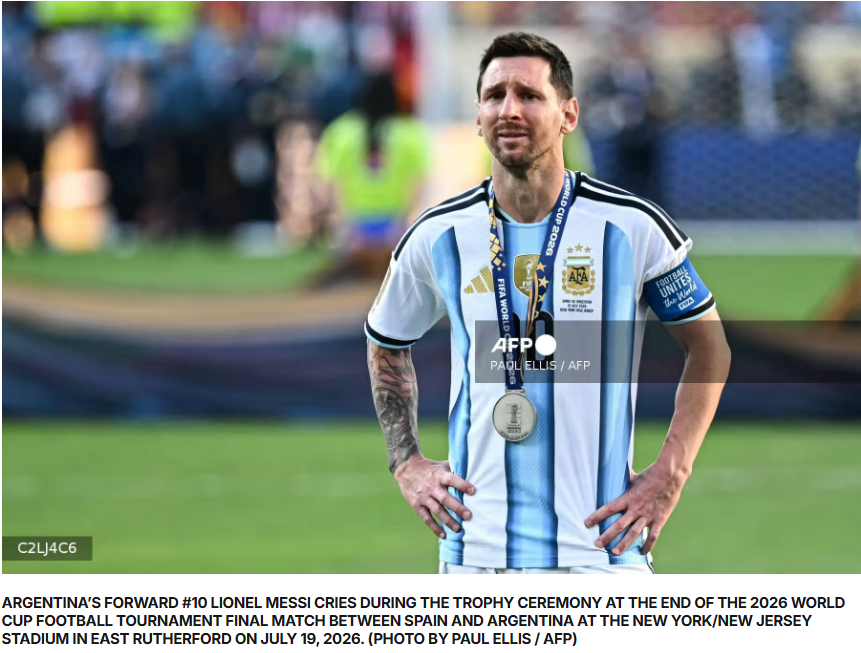
Messi’s final challenge
For Argentina, every major tournament in recent years has carried the same question: how much influence can Lionel Messi still have when the biggest moments arrive?
The answer was that Spain understood the question better than most opponents.
They did not need to stop Messi completely. Few teams ever have.
Instead, they prevented him from receiving the ball in the areas where he could change the game.
The Argentine captain has built his career on finding those small pockets between midfield and defence, turning into space and creating something from nothing. Spain rarely allowed him that freedom.
Instead, Messi was often forced deeper, collecting possession further away from goal and attempting to influence the match from areas where his threat was reduced.
It was a tactical victory long before the final whistle.
Argentina’s resistance eventually ended, but it was not because they lacked determination. Spain simply kept asking the same question: can you defend one more attack?
Eventually, the answer was no.
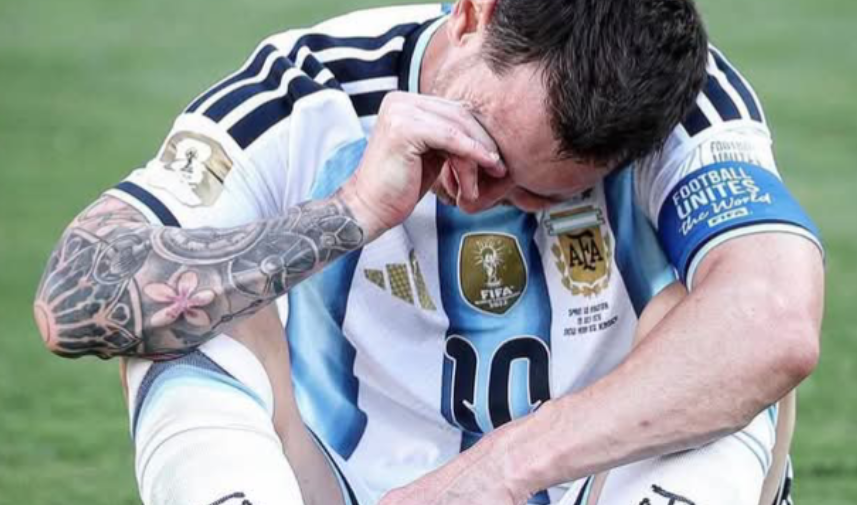
The verdict
World Cup finals are usually remembered for a single image — a winning goal, a save, a mistake or a controversial decision.
This one should be remembered differently.
Spain won because they were the better team from start to finish. They were more composed, more organised and more comfortable controlling the rhythm of the contest.
They did not steal the World Cup final.
They earned it.
Over 120 minutes, Spain showed exactly why they were the outstanding side of the tournament: a team that could dominate without rushing, attack without losing balance and win without needing the game to become dramatic.
Their triumph was not built on one moment but on mastery.
—