By Jemimah Wellington, JKNewsMedia Correspondent
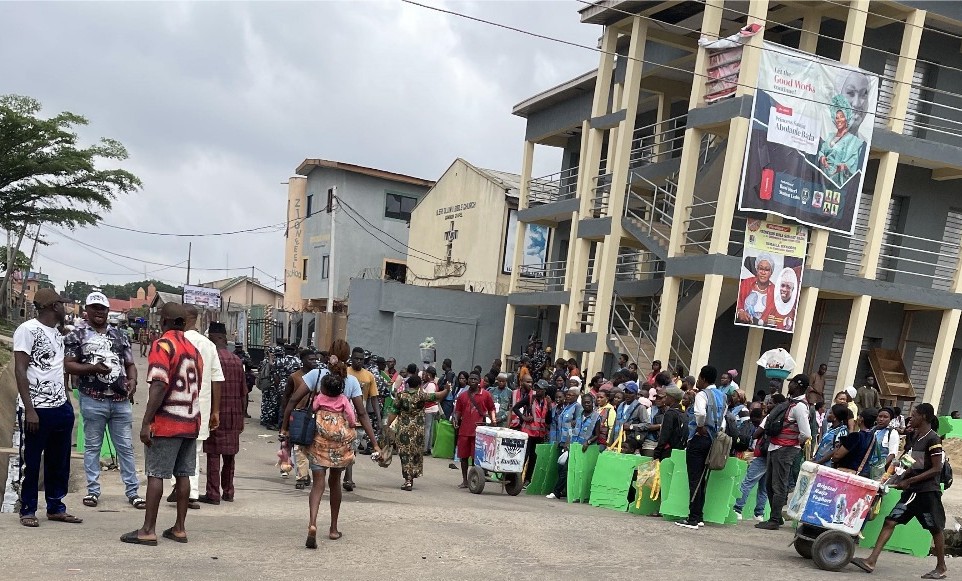
PRESIDING OFFICERS and election staff on Saturday, were unable to deploy to polling units across Lagos on Saturday morning, following a vehicle shortfall that sparked confusion at the Ikosi-Isheri Local Council Development Area.
The Lagos State Independent Electoral Commission (LASIEC) encountered a major logistical failure as of 9:30am, with scores of its field staff still stranded at their local council base.
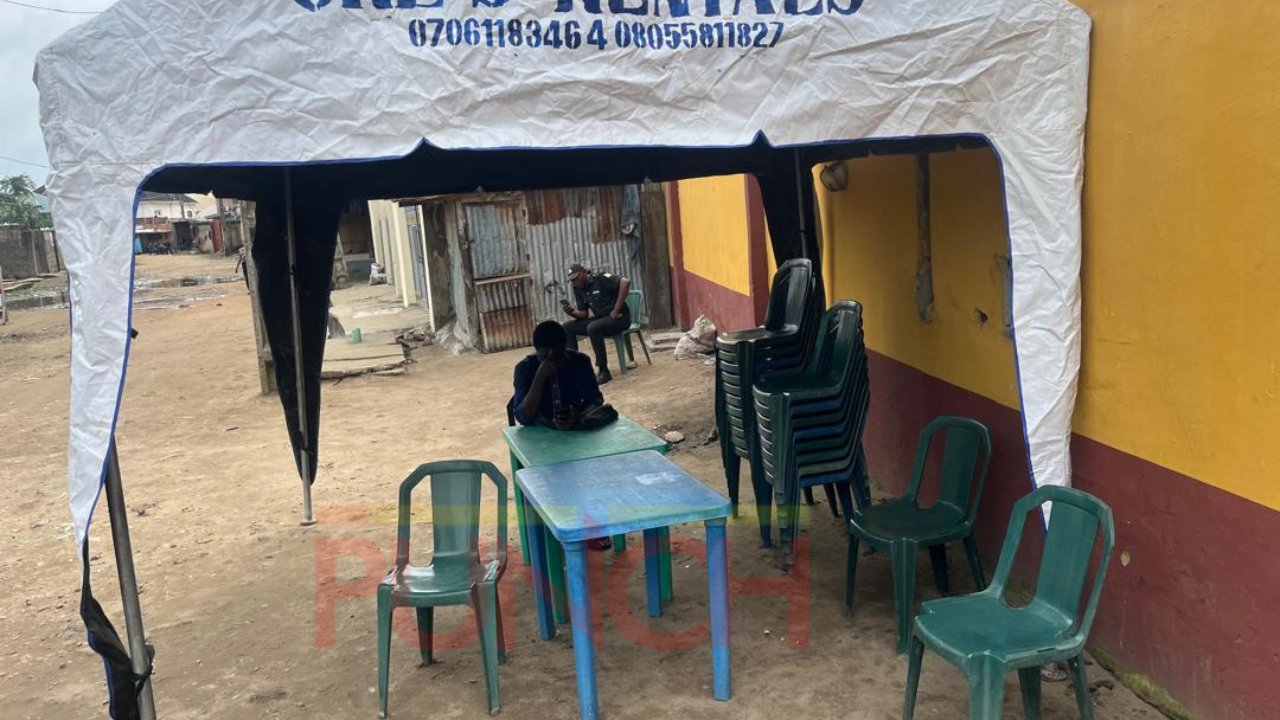
Despite early arrangements, there were not enough vehicles on ground to convey election officials to their designated stations, leading to a delay in the commencement of voting across affected areas.
An official at the scene told reporters that a transport contractor had been instructed to provide a specific number of buses and claimed to have delivered on the agreement.
However, the buses proved grossly inadequate, forcing some officers to hang onto overcrowded vehicles while others were seen trekking to polling stations on foot.
“They told us it’s not far from here, so we can trek there,” one presiding officer said, after waiting in vain for a ride to her assigned unit.
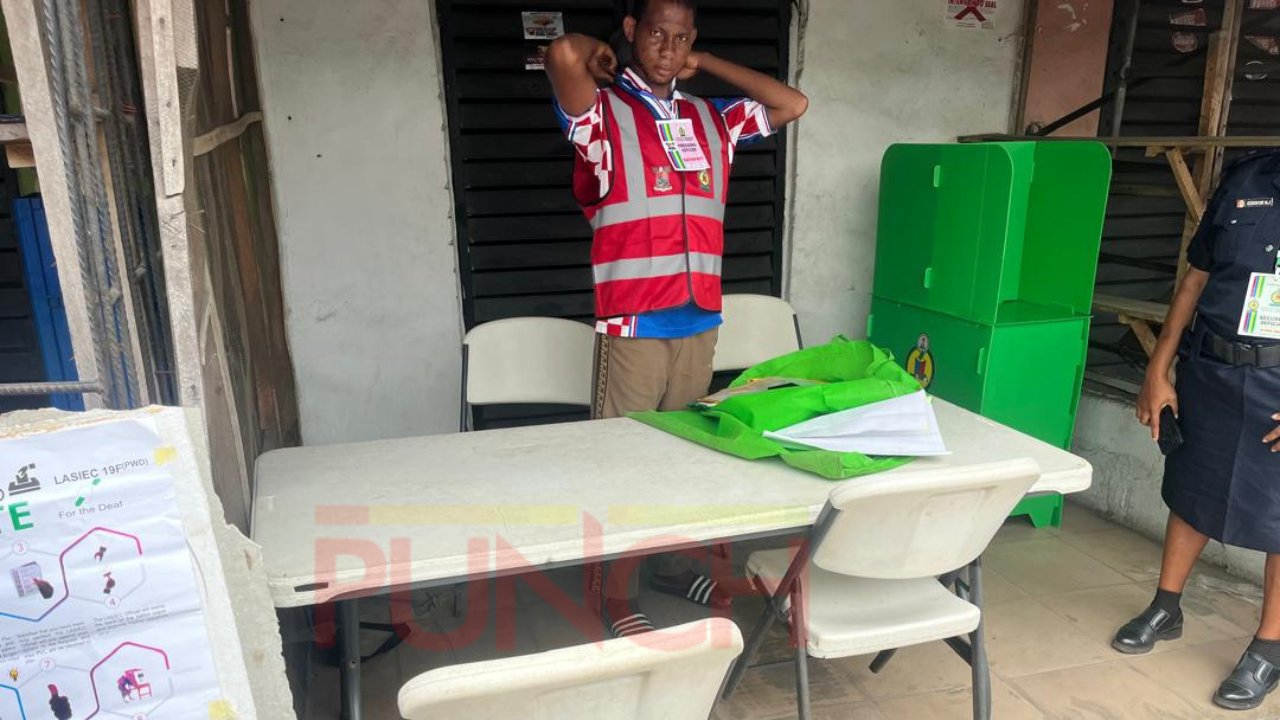
The situation caused a mild commotion at the Ikosi-Isheri LCDA headquarters as election officers, some carrying ballot materials and documentation, scrambled to board the few available vehicles.
Others, unable to find space, walked in groups along roadways, determined to reach their posts.
Despite this disruption, the state proceeded with the grassroots electoral exercise, where residents are voting for chairmanship, vice-chairmanship, and councillorship candidates across 20 local government areas (LGAs) and 37 local council development areas (LCDAs). LASIEC has confirmed that 13,325 polling units are open for voting across 376 electoral wards in the state.
While election officials battled transportation problems, Lagos streets bore the marks of a heavily restricted city.
Across the metropolis, deserted roads were seen, with no vehicular or pedestrian movement observed in several key districts, including Otedola Road, Ojota, and Yaba.
In compliance with the security directive from the Nigeria Police, movement in Lagos was restricted from 6:00am to 3:00pm. Security agents blocked access routes at multiple locations.
In the Ojodu LCDA, skeletal activity was observed on Ogunusi Road, Ogba, and Berger bus stop. A patrol vehicle was used to seal off part of the road around the Berger pedestrian bridge, forcing motorists to turn back and reroute to the Lagos-Ibadan Expressway.
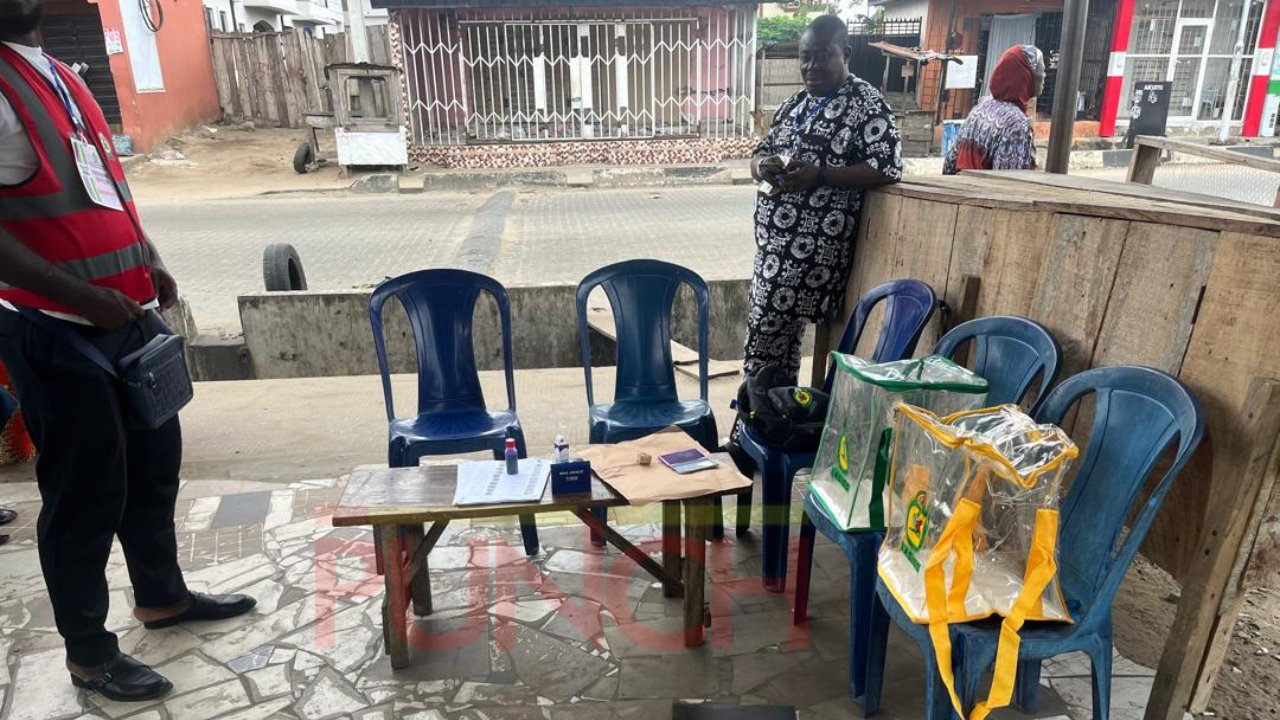
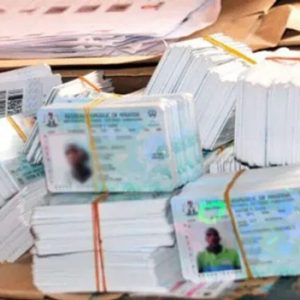
Registered voters with Permanent Voter Cards (PVCs) are expected to participate in selecting local representatives for the next four-year term.
The election spans key LGAs such as Alimosho, Surulere, Mushin, Eti-Osa, Apapa, Ojo, Kosofe, and Ikeja, alongside LCDAs like Ejigbo, Iba, Itire-Ikate, Ojokoro, Oriade, Mosan-Okunola, and Iru/Victoria Island.
Despite calls for transparency and fair play, the Lagos electoral body confirmed it would not deploy the Bimodal Voter Accreditation System (BVAS) during this election.
LASIEC Chairperson, Justice Bola Okikiolu-Ighile, clarified in an interview that the process would rely partly on manual accreditation.
“There are some electronics that we are going to use in between. We can go manual,” she said, indicating a hybrid but mostly analogue process.
Fifteen of Nigeria’s nineteen registered political parties are contesting seats in the election. Although LASIEC maintains that no political party was excluded from participation, public interest remains focused on whether the outcome will consolidate or shift power in a state long governed by the All Progressives Congress (APC).
Lagos, Nigeria’s commercial nerve centre, contributes significantly to national revenue and hosts the headquarters of major corporate institutions.
With an estimated population of 20 million, its local government elections are critical in shaping public service delivery, urban governance, and political engagement at the community level.
In Agege LGA, attention is particularly drawn to Abdulganiyu Obasa, son of the Speaker of the Lagos State House of Assembly, as elections proceed across all 20 local government areas and 37 local council development areas of Lagos State.
Polling units remain open in key councils including Agege, Alimosho, Apapa, Eti-Osa, Ifako-Ijaiye, Mushin, Kosofe, and Surulere, as well as LCDAs such as Oriade, Ejigbo, Iru/Victoria Island, Ojokoro, and Lagos Island East.
According to data from LASIEC, the exercise involves 13,325 polling units spread across 376 electoral wards. Voters are expected to choose chairmen, vice-chairmen, and councillors using either manual or limited electronic accreditation methods, as confirmed by LASIEC Chairman, Justice Bola Okikiolu-Ighile.
Fifteen registered political parties are participating in the election. LASIEC stated that no party was excluded from contesting the poll.
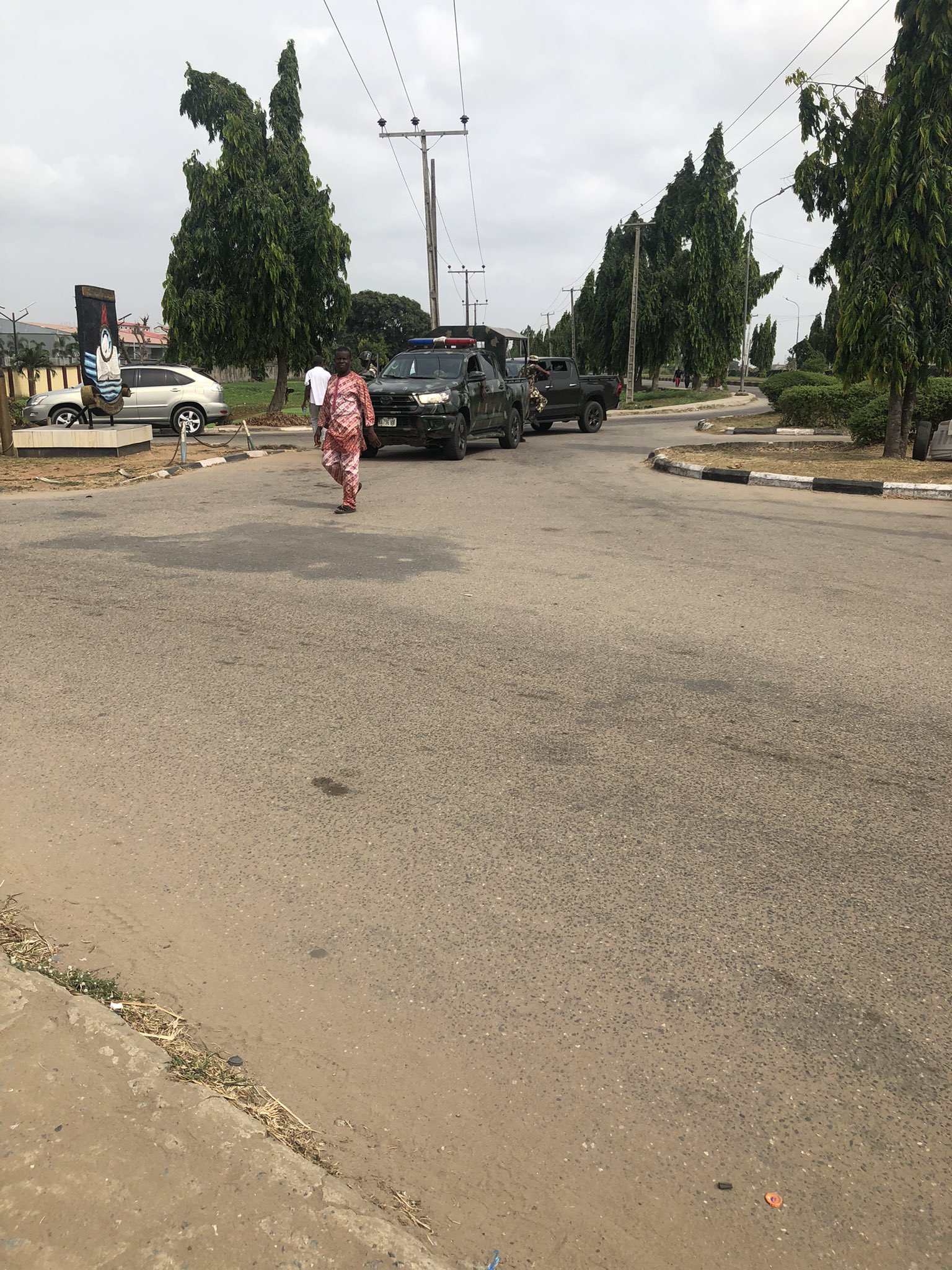
The election continues under movement restrictions announced by the Nigeria Police, with major routes into the city centre—including Yaba, Ojota, and Otedola Road—heavily barricaded. Motorists at Berger were turned back and diverted to the Lagos-Ibadan expressway, while a patrol vehicle blocked access near the Berger pedestrian bridge.
Despite the morning delays caused by the transport shortage at Ikosi-Isheri LCDA, LASIEC officials, including those trekking to their polling units, pressed ahead with preparations to ensure that the election exercise holds as scheduled.