By Ayo Ajayi
IN AN era dominated by digital information, artificial intelligence, and the growing challenge of misinformation, libraries remain vital centers of knowledge, research, and lifelong learning.
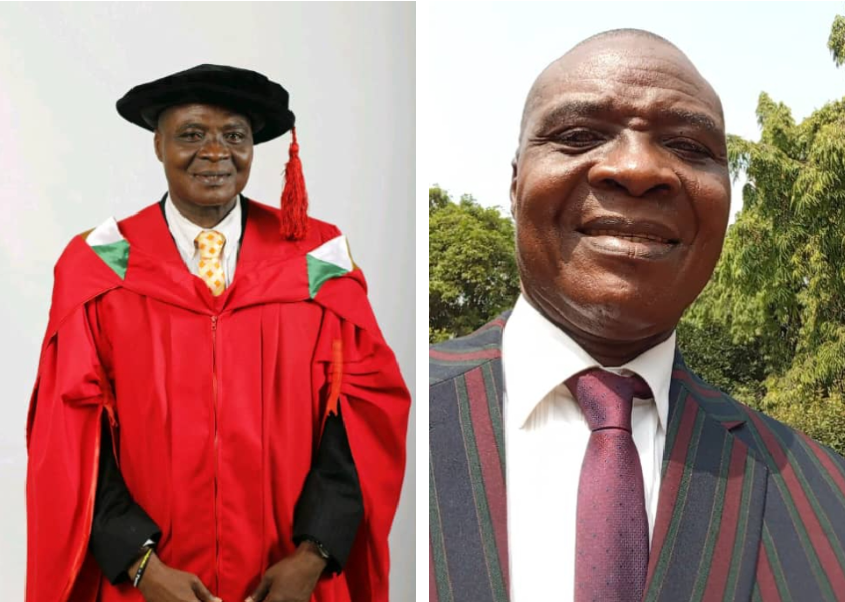
In this exclusive interview, Dr. Odaro Osayande, University Librarian of Edo State University, Iyamho, shares valuable insights into the evolving role of modern libraries, the impact of technology on information services, common misconceptions about librarians, and the future of physical libraries.
He also discusses how libraries are helping to combat fake news, support academic research, and promote a stronger reading culture among students and the wider society.
Excerpt:
Q. Who is Dr. Odaro Osayande?
A. Odaro OSAYANDE PhD. is a professional Librarian and an information services Manager. He was the former Deputy University Librarian of Covenant University, Ota, Ogun State. He was also the former Deputy College Librarian at the Edo State College of Health Sciences and Technology, Benin City, Edo State, but currently the substantive University Librarian of the Edo State University, Iyamho, Edo State. Odaro has worked in several organisations as a professional Librarian for several years.
He holds a Bachelor degree in Library Science/Political Science from Nnamdi Azikiwe University, Awka, Anambra State – 1998, Master’s degree in Library and Information Science (MLIS) from the premier University of Ibadan, Ibadan, Oyo State – 2010, and PhD. in Information Studies (Library and Information Science) from the University of KwaZulu-Natal, Pietermaritzburg Campus, South Africa (2020) respectively. He is a certified Librarian by the Librarians’ Registration Council of Nigeria (LRCN), and is also a member of the Nigerian Library Association (NLA).
Dr. Osayande is well- behaved, courteous and diligent. He is brilliant, hardworking and passionate about librarianship. He has strong mastery of information and communication technology and its application to library services delivery. He has penchant for critical reasoning and research as evidenced by his publications in reputable journal outlets (both local and international). He is emotionally stable, physically fit and morally forthright.
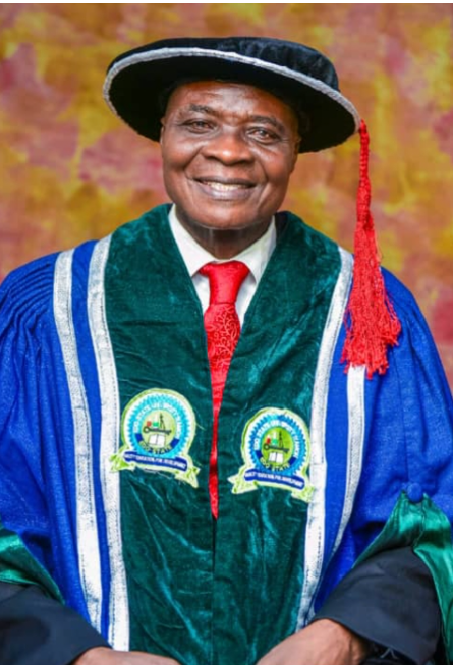
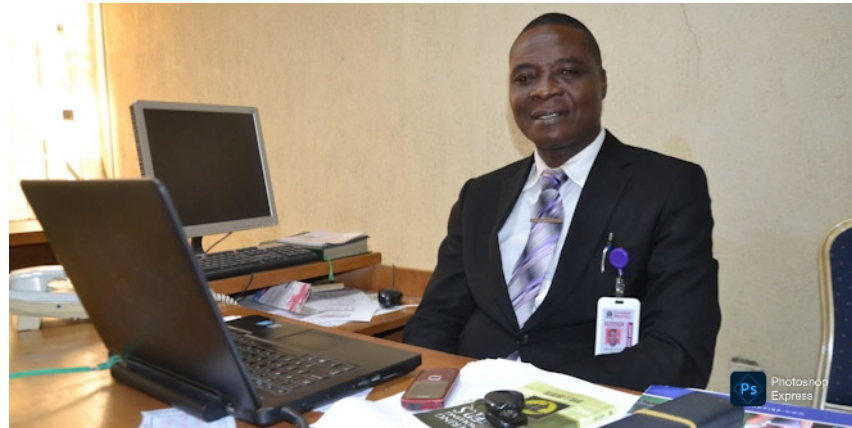
Dr. Odaro Osayande, University Librarian, Edo State University, Iyamho, Edo State.
Q. What stereotype about librarians is completely wrong?
A. There is this wrong perception and categorization that librarians are only the custodians of books and that they care for books more than people, interested in reading books more than assisting people. However, this stereotype has to do or linked to asking library patrons to pay fines for books not being returned (over-due books) when they are due. There is another inaccurate stereotype that male librarians are gay. Again, it is being said that librarians are rude and antisocial. This is very untrue. Librarians are courteous gentlemen and women who are very accommodating, sociable and engage in managing and disseminating information using cutting-edge digital tools and methodologies to support organization goals. Librarians are the bridging gaps between human information needs and the information seekers.
Q. How has technology changed the way libraries operate today?
A. Generally speaking, the emergence of technology to libraries and information services has tremendously transformed library operations from the quiet custodian of books to a dynamic user-friendly institution using digital tools, from the manual systems to electronic driven resources where most materials, activities/operations are now digitized, having books and journals in electronic formats with several databases. Operations of the libraries such as circulation, cataloguing, acquisition of materials are electronically carried out.
Q. What is the most challenging part of your job?
A. The most challenging part of my job is how to manage difficult library patrons with deviant behavior, coping with ever dynamic (changing) databases, assisting library users with their various research activities, and, coping with the restraint library budgets, etc.
Q. What role do libraries play in fighting misinformation today?
A. In fighting misinformation in our society today, libraries have over time been offering information literacy lectures both physically and electronically, by, helping to analyze and interpret the credibility of information being circulated in the public space whether they are fake or not. Apart from information literacy, training programmes and workshops, libraries help to provoke people to get involved in serious critical thinking rather than accepting/swallowing every information that come their way; libraries make available trustworthy resources such as relevant academic journals, providing dependable alternative sources in verifying information; libraries also enter into consortium with others (fact checkers) and specialists, such as journalists so as to help them identify fake news.
Q. How do you decide which new books to add to the library?
A. The head of a library usually liaises with the heads of the departments of each faculty (based on the information needs of the staff and students) before deciding what new materials to acquire for the library. Once the lists of materials are received from the faculties, they are forwarded to the book Vendors to source for such materials (books); where the exact titles/authors are not found, the Vendors are advised to get similar titles. This is how new library materials are acquired.
Q. Do you think physical libraries will ever disappear?
A. The information spreading round that the physical libraries will disappear is not true. The truth remains that the libraries: are the free physical and serene spaces we have where the adults and children can carry out research without any inhibition; libraries are information centers that provide computer systems and fast Internet access, including ICT workshops and trainings to library users that may not have access; libraries offer information support services; the availability of physical (print) books is still more popular compared to electronic books (e-books). Instead of physical libraries disappearing, the hybrid libraries evolving to grant access to users who access information resources from anywhere they find themselves. The hybrid libraries are complimenting physical libraries.
Q. What services does the library offer that many users don’t know about?
A. Libraries of the 21st century unlike the olden days render a lot of services, apart from the traditional services of borrowing books and storing books that library users may be ignorant of. The library also offers services that has to do with: different specialized (digital) methods of life-long learning technology lending materials.
Q. What advice do you give to students who struggle with research?
A. As a Librarian and an information manager, I do see students on a daily basis who struggle
with their research works. My advice to them is: They should always see the Librarian as their partner who is a specialist in discovery information, research materials, and have the understanding and other research processes. Another advice I have for the students is that they should always feel free to book for a one-on-one session with the Librarian and share their research topics so that he can help to break them into researchable sub-topics/themes. I often enjoin the students to make use of the right academic databases instead of relying only on Google to search for information resources. More so, I let them know that they do not need to type the full questions of what they are researching on into the databases, but to always use phrases, keywords, etc.
Q. What is the most unusual request you’ve ever received at the library?
A. My library colleagues sometimes receive very funny, laughable and jaw-breaking requests from patrons. Here are some of the requests:
How are the kangaroos born? Do they lay eggs or are they hatched from eggs?
I have just bought a clipper; could you please help me with my haircut in the library?
What do the children of Ethiopia have for pets?
Librarian, please, after school hours I would like to prepare a pot of egusi soup, can I get some of the ingredients to buy in the library?
Q. If you could make one change to improve reading culture, what would it be?
A. I will inculcate into the students the habit of locating the right and relevant information resources they may want to read in the library, teach them how to read at their own pace and for pleasure, thereby helping them to develop a good and healthy reading culture.
Published by: “Libraries Are Not Just About Books”: Dr. Odaro Osayande Debunks Librarian Stereotypes, Explains Technology’s Impact And The Future Of Reading –
—