By JKNewsMedia
THREE HUNDRED trained volunteers have begun monitoring developments that could shape the credibility, peace and inclusiveness of Nigeria’s 2027 general elections.
JKNewsMedia.com reports that three hundred volunteers have been deployed to track developments capable of affecting the credibility, peace and inclusiveness of Nigeria’s 2027 general elections.
With this training, Nigeria’s 2027 general elections will come under closer scrutiny as 300 volunteers begin tracking developments that could affect the credibility, peace and inclusiveness of the polls.
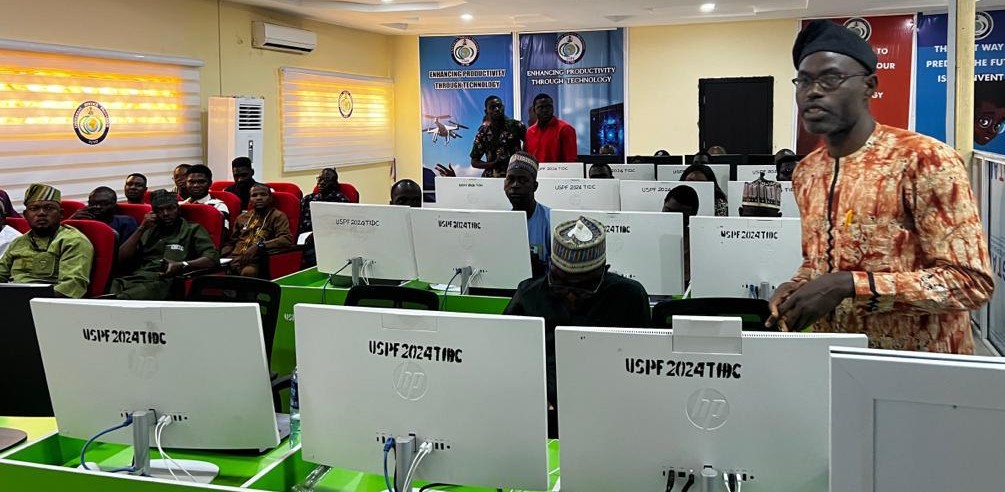
The volunteers were formally onboarded during a pre-deployment workshop and orientation held on Monday, August 17, 2026, at the Innovation Hub on the University of Ilorin campus.
Known as #TrackingNaijaElection2027, and jointly implemented by the Center for Research on Development of African Media Governance and Society (CEREDEMS), the Centre for Peace and Strategic Studies (CPSS), University of Ilorin (UNILORIN), and the Institute of Geopolitical Communication (RUDN) University, Russian Federation; the workshop prepared participants to source, document, monitor and analyse election, political and campaign information as the country moves towards the 2027 elections.
Their collaboration has been themed the “Nigeria Electoral Integrity & Peace Initiative (NEIPI), 2027.”
Leading the session on “Tools for Sourcing and Documenting Election, Political and Campaign Data,” Prof. Abdulrasaq Adisa explained how systematically collected information could contribute to credible and transparent elections, electoral accountability and evidence-based policymaking.
Participants also received training on multilayered online data, as well as frameworks and digital platforms for monitoring and curating election-related information.
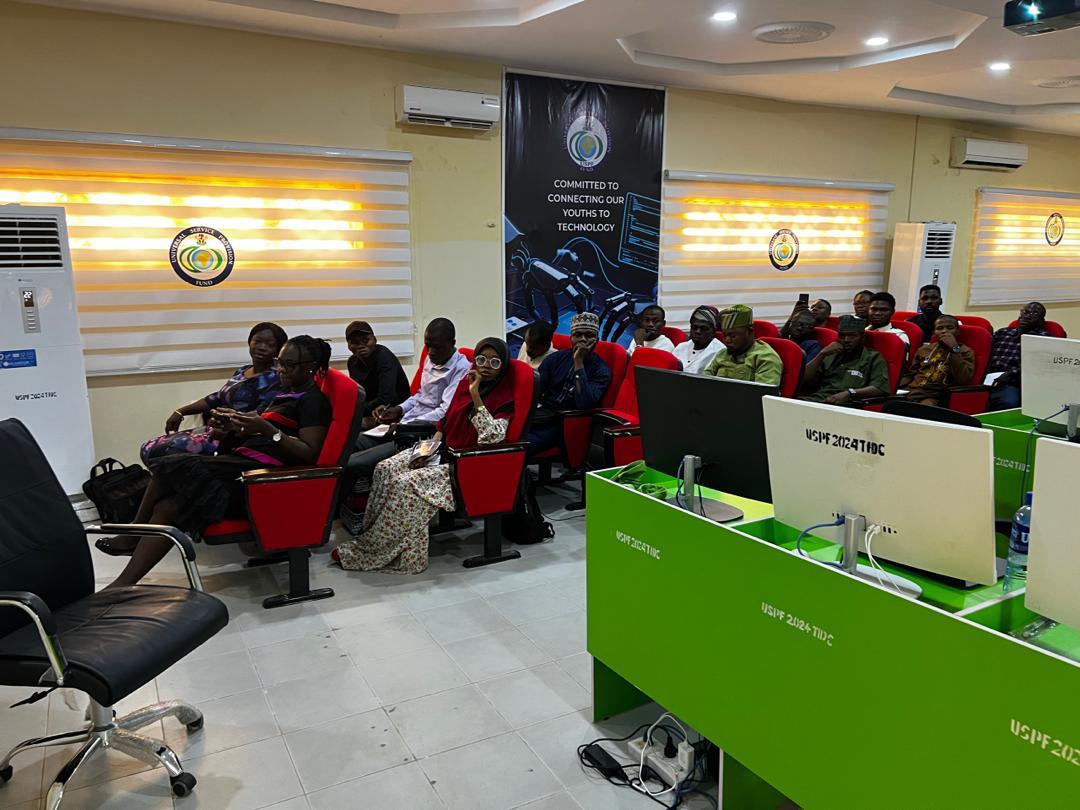
They were later divided into clusters and assigned specific responsibilities under a coordinated structure for tracking developments.
The group also revealed that deployment began on Tuesday, August 20, when participants were assigned to their respective groups and commenced their daily tasks.
Also speaking, Director of Research and Strategy, Mutiu Iyanda, conducted virtual training sessions to clarify the responsibilities of the different teams and provide further guidance on how they were to carry out their assignments.
In each group, two lead facilitators were selected to coordinate activities and strengthen collaboration among members.
The Executive Director of CEREDEMS, Associate Professor Mustapha Muhammed Jamiu, said the initiative continued the organisation’s election monitoring efforts during the 2023 general elections.
He said the previous project focused primarily on information pollution during elections which produced a report titled: ‘Multidimensionality of Toxic Election Campaigns: A Critical Analysis of 2023 Nigerian Presidential Election’.
Jamiu said this new initiative seeks to strengthen Nigeria’s democracy by collecting and analysing relevant electoral data and transforming the findings into useful information for democratic stakeholders.
He added that the project would combine data analysis with public and academic engagements, workshops and the publication of academic papers.
According to him, the 2027 project has a broader mandate than the 2023 initiative, focusing on six major areas: information integrity, electoral governance, electoral security, electoral justice and peace, artificial intelligence and elections, and inclusive participation.
Jamiu also said CEREDEMS was pursuing the expanded areas of focus through its collaboration with Centre for Peace and Strategic Studies (CPSS) and the Institute of Geopolitical Communication (IGPC), RUDN University.
In his speech, Director, CPSS, Prof. Abdul-Jelil Gbemisola Animasawun, said elections and other matters of public interest had remained important areas of intellectual engagement for the Centre.
He said CPSS, as a centre of excellence in peace research, operates around intellectual rigour, strategic partnerships and community engagement, making electoral issues particularly relevant to its mandate.
Animasawun also said the Centre had already begun preparing the intellectual and strategic ground for the 2027 elections through its “Guest Speaker Series for Setting the Agenda for Peaceful & Credible 2027 Elections.”
He noted that the first edition of the series was held on June 11, 2026, with the Chairman of the Economic and Financial Crimes Commission (EFCC) serving as the first speaker.
Animasawun further described the collaboration with CEREDEMS as strategic and timely, saying the partnership would bring together peace research, electoral monitoring, data analysis and strategic engagement around the 2027 electoral process.
He said CPSS’s decision to house the TrackingNaija2027Elections Situation Room with its partners represented a continuation of the Centre’s commitment to the consolidation of democracy and sustainable peace.
“For us at the CPSS, housing the #Naija2027Elections Situation Room in collaboration with our partners marks a deliberate furtherance of our commitment to consolidation of democracy and sustainable peace,” he added.
Animasawun also noted that the initiative was anchored on the belief that safeguarding the electoral process required sustained attention and collective responsibility rather than interventions limited to the period immediately before or after an election.
He then called on individuals and organisations that shared the vision of protecting the electoral process and advancing peace and democracy to join the initiative as collaborators.
From training, the project moved to the production of evidence, with the first insight generated from monitoring activities published across CEREDEMS’ social media platforms after the volunteers commenced their assignments.
On Saturday, August 29, further capacity building took place when the volunteers participated in an intensive virtual masterclass titled “Understanding Frameworks and Indices of Monitoring Nigeria’s 2027 Elections.”
According to the group, the masterclass sought to strengthen participants’ practical capacity to track, analyse and interpret issues that could affect the prospects of peaceful, credible and inclusive elections in 2027.
Iyanda commended the volunteers for their commitment, active participation and patriotism, urging them to take their responsibilities seriously and maintain the confidentiality of information generated through the project.
He said the initiative was not simply about collecting large quantities of election-related information but about transforming raw data into useful democratic insights that could support electoral readiness.
Iyanda urged that volunteers must identify information voids and separate relevant election information from chaotic, violent and unactionable content that could circulate across online platforms.
He said the monitoring exercise would focus specifically on Nigeria’s 2027 elections, with particular attention to information obtained from verified Nigerian news outlets and relevant social media sources.
He also introduced participants to the three stages of the project’s information refinery: evidence, action and learning.
Volunteers were shown how to track, clean and properly organise data collected during monitoring before subjecting it to analysis, coding and visualisation and eventually transforming it into written insights.
The training also emphasised clearly defined roles, with volunteers expected to work within their assigned responsibilities to ensure consistency and reliability in the data generated by the project.
Alonge Sunday Temitope, an analyst in the Electoral Justice and Peace (EJP) group and one of its group leaders, said the initiative offered an opportunity to apply a stronger data-driven approach to understanding and protecting electoral integrity ahead of the 2027 elections.

Temitope, a student of MA Peace & Development Studies at the CPSS, UNILORIN, said he expected the project to contribute to a shift in how electoral integrity is understood and protected.
Having analysed trends from the project’s dataset, Temitope said the exercise could help bridge the gap between early warning signs and proactive peace-building responses.
He identified local electoral insecurity, trust deficits in institutions and voter suppression risks as issues requiring sustained attention.
Temitope added close monitoring of emerging issues could help civil society organisations, security actors and community leaders anticipate potential friction points early enough to prevent election-related violence, protect voters’ rights and promote peaceful political participation.
He also said the data tracking and analytical skills he acquired through the project enabled him to move beyond surface-level political noise and focus on verified, high-impact indicators of electoral peace and justice.
“As a group leader in EJP, these skills enable me to ensure that the dataset we produce is objective, accurate, and contextually grounded,” he said.
Temitope also said he believed that quality data could empower voters by reducing the influence of misinformation and providing citizens with clear, factual evidence on their electoral rights, security realities and governance issues.
“When citizens have access to trustworthy insight rather than speculation, they are better equipped to hold institutions accountable, vote without fear, and make informed choices for the future,” he argued.
—