By Joke Kujenya
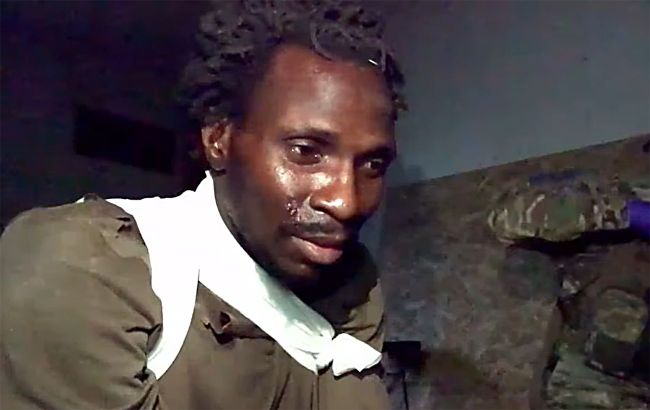
CAPTURED IN Ukraine’s Zaporizhzhia region, a Nigerian man forced into war under Russia’s penal system has emerged as a grim symbol of Moscow’s foreign recruitment drive.
Kehinde Oluwagbemileke, 29, had been living in Russia for four years before being arrested on drug-related charges.
His prison sentence was commuted on the condition that he join the so-called “special military operation” in Ukraine, a deal that nearly cost him his life.
He was taken prisoner by the Freedom of Russia Legion, a unit of anti-Kremlin fighters backing Ukraine, after five months on the frontlines.
His account, now circulating through Ukraine’s “I Want to Live” project, sheds light on the Kremlin’s expanding use of foreign mercenaries to reinforce its ranks.
During interrogation by legion members, Kehinde confirmed he had fought for Russia in exchange for “quick liberation” from prison.
He admitted that his family in Nigeria was unaware of his decision and said he regretted it deeply.
Pointing to visible injuries, he described the toll of his months in combat with one word: “broken.”
According to the I Want to Live project, he is one of thousands of non-Russian nationals recruited under duress or deception.
The initiative claims to have documented nearly 7,000 foreign fighters from 14 countries so far, though it stresses that figure represents only a fraction of the total.
These fighters, the report notes, are seen as disposable manpower by Russian commanders.
Kehinde’s capture follows the recent detention of another foreign combatant—24-year-old Wang Wu, a Chinese national fighting for the Russian army.
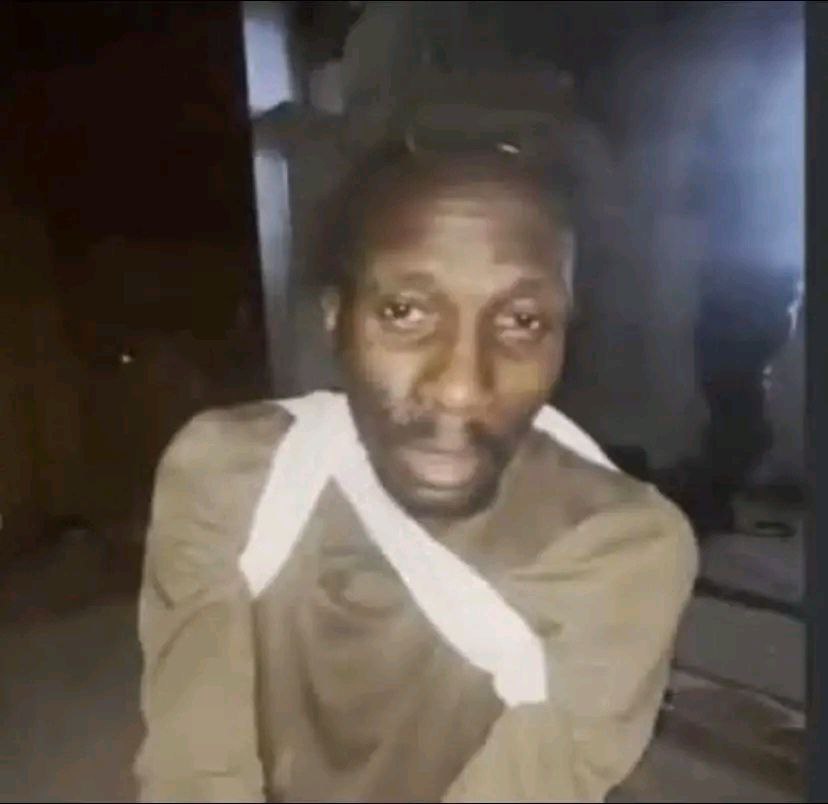
Ukrainian forces intercepted him days earlier, amid growing evidence that Russia has entered agreements with foreign citizens, many of whom are allegedly promised freedom or money in return for frontline duty.
Chinese nationals reportedly began arriving in Russia with intentions to join its military campaign, with 51 identified by Russian state media as contracted soldiers.
Moscow has yet to acknowledge the full scale of foreign enlistment in its war effort, but human rights groups and defected fighters have raised alarm about systematic recruitment of vulnerable populations.
Reports also said Russia’s enlistment of foreign prisoners and undocumented migrants marks a growing shift in its wartime mobilisation strategy as casualties mount and domestic support shows signs of strain.
In contrast, the presence of the Freedom of Russia Legion highlights a counter-narrative—Russians themselves willing to fight against Moscow, raising further questions about loyalty, coercion, and survival in a war far from over.