By Joke Kujenya
THERE ARE actors whose faces become familiar to audiences, and there are those whose performances become part of a country’s cultural memory. Olu Jacobs belonged to the latter group.
JKNewsMedia.com writes that for generations of Nigerians, his deep voice, commanding presence and ability to bring authority to a character made him a familiar figure on television, in the cinema and on stage.
Whether he played a traditional ruler, a wealthy patriarch, a powerful politician or a man caught in a family crisis, Jacobs brought a sense of experience and dignity to his roles.
But his story began far from the film sets and red carpets of Nollywood.
The Man Behind The Familiar Nollywood Image
Born in Kano to parents from Egba Alake in present-day Ogun State, Jacobs followed a path that took him from school drama in northern Nigeria to formal acting training in London, British television, international films and, eventually, the Nigerian film industry.
His journey was not simply about becoming famous. It was about a young man discovering what he wanted to do with his life, pursuing that dream beyond his home country and returning to help shape an industry that would become internationally recognised.
Following his death at 84, his life offers an opportunity to look beyond the familiar screen image and remember the actor, husband, father, entrepreneur and teacher whose work helped define an important period in Nigerian entertainment.
His Kano Childhood And Egba Heritage
Olu Jacobs was born in July 1942 in Kano, where he spent his early years. Although his family had roots in Egba Alake, his childhood in northern Nigeria formed an important part of his early life.
He attended Holy Trinity School in Kano, where he took part in debating and drama activities. These school experiences helped him discover the attraction of performance.
For a young boy, acting offered an opportunity to step into another person’s life, speak with a different voice and hold the attention of an audience.
What began as an interest in school activities would eventually become a lifelong profession.
Jacobs’ early years also coincided with a period when Nigerian theatre was developing through travelling companies, live performances and the work of influential practitioners.
Theatre offered young performers a chance to build careers at a time when the country’s modern film industry was still decades away.
One encounter would help Jacobs decide that acting was not merely a childhood interest.
The Hubert Ogunde Encounter And Change Of Direction
As a young man in Kano, Jacobs attended a performance by the late Chief Hubert Ogunde, one of Nigeria’s pioneering theatre practitioners.
The show took place at the Colonial Hotel during one of Ogunde’s annual concert parties.
The experience made a lasting impression on him.
Ogunde’s work demonstrated the power of live theatre to entertain audiences while telling stories rooted in Nigerian life and culture. For Jacobs, seeing the veteran performer at work helped turn an interest in drama into a serious ambition.
He subsequently secured a visa and travelled to Britain to study acting.
It was a major step for a young Nigerian who wanted to build a professional career in the performing arts. He was leaving familiar surroundings to enter a demanding environment where he would have to learn, perform and compete for opportunities.
That decision would open the door to a career that crossed national borders.
Remarkable Transition From Nigeria To British Theatre And TV
Jacobs’ decision to train abroad gave him a professional foundation that would serve him for decades.
He studied at the Royal Academy of Dramatic Art (RADA) in London, one of Britain’s recognised drama schools. His education introduced him to the discipline of professional theatre and prepared him for work in front of live audiences and television cameras.
In 1972, he played The Boy in A Taste of Honey at the newly opened Crucible Theatre in Sheffield. The role was among his early recorded stage appearances.
His career in Britain continued through theatre and television.
He appeared in productions such as The Goodies, Till Death Us Do Part, Barlow at Large, The Venturers, Angels, 1990, The Tomorrow People and The Professionals.
In 1978, he played President Mageeba in Night and Day, a presentation of Tom Stoppard’s play.
These were important years in his development.
Before Nigerian audiences came to know him as one of Nollywood’s most familiar faces, Jacobs had already spent years working in an international entertainment environment.
His film credits also included The Dogs of War, Baby: Secret of the Lost Legend and Roman Polanski’s Pirates.
His experience abroad would later become part of the story he brought home.
Returning Home To A Changing Nigerian Entertainment Industry
Jacobs returned to Nigeria in 1990, bringing with him years of experience in British theatre, television and film.
One of his notable early appearances after his return was in the Nigerian Television Authority (NTA)’s detective series The Third Eye during which the programme introduced him to TV audiences at home and marked another chapter in his acting journey.
Nigeria’s Changing Film Industry
The home-video market was expanding, and filmmakers were developing new ways to produce and distribute stories to audiences across the country.
Jacobs entered this evolving industry with an established professional background and a style of performance that audiences could readily recognise.
His presence on screen reflected a career that had developed across different cultures and storytelling traditions.
He was not simply beginning again. He was bringing years of experience into a new phase of his professional life.
The Face And Voice That Became Familiar To Nollywood
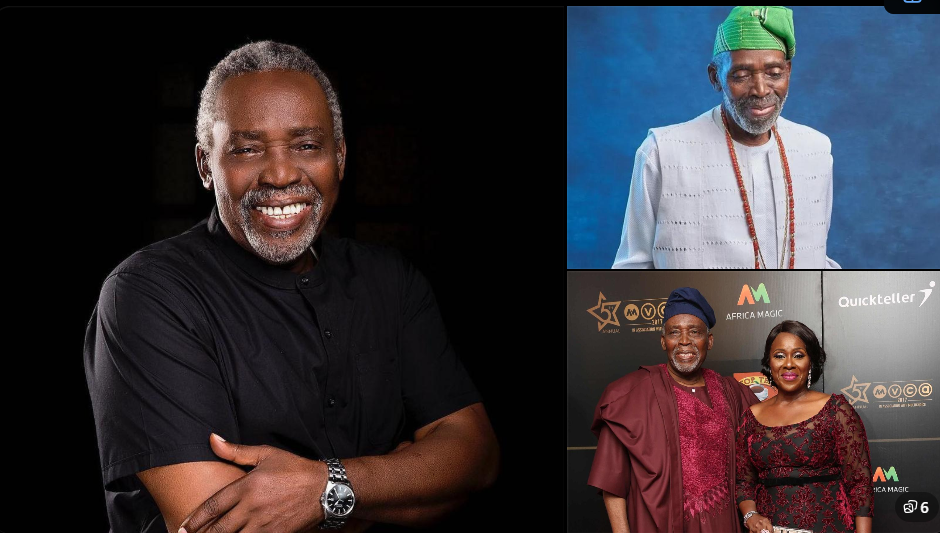
Over the years, Jacobs became one of the most recognisable actors in Nigerian cinema.
His career included more than 120 Nollywood films, according to the supplied biographical information.
He was particularly associated with characters who carried authority: kings, chiefs, wealthy fathers, community leaders and men whose decisions could change the course of a family or a story.
Yet, his contribution was not limited to one kind of character.
His experience across stage, television and film allowed him to work in different forms of storytelling and alongside performers from different generations.
For viewers, his performances often brought a sense of familiarity. His voice and screen presence could make a character feel established before the story had fully unfolded.
He also appeared in television commercials for brands including Ribena and Binatone, extending his visibility beyond films.
For many younger actors, Jacobs represented a generation of performers whose careers had developed through years of training, theatre work and screen experience.
Decades Of Awards And Recognitions
Jacobs received several major honours during his career. Among them were:
▪️2007: Africa Movie Academy Award for Best Actor in a Leading Role.
▪️2011: Member of the Order of the Federal Republic (MFR), a Nigerian national honour.
▪️2013: Industry Merit Award at the Africa Magic Viewers’ Choice Awards.
▪️2016: MAA Lifetime Achievement Award.
▪️2021: Lifetime Achievement Award at the Africa International Film Festival.
These honours recognised different aspects of his contribution to acting and the entertainment industry.
The 2021 AFRIFF award was also significant because it came after a period when false reports about his death had circulated online. His appearance at the festival helped disprove those rumours.
The episode became a reminder of the need to verify information about public figures before sharing it.

Jaccob and Joke: A Marriage And Partnership In The Arts
Behind Jacobs’ public career was a long partnership with fellow actor Joke Silva.
The couple married in 1989 and built a family together.
They have two children and became one of Nigeria’s best-known acting couples.
Their relationship also reflected a shared understanding of professional life in the arts. Silva had already established her own identity as an actress before their marriage, and Jacobs publicly supported her continued use of her professional name.
That detail offers a glimpse into how the couple navigated their careers: as two established performers with individual identities, as well as partners in family and business.
Their collaboration extended well beyond the home.
Lufodo: Taking The Work Beyond The Screen
Jacobs and Silva co-founded the Lufodo Group, a media business with interests in film production and distribution.
Their work also included the Lufodo Academy of Performing Arts, which reflects their involvement in training and developing talent in the performing arts.
The academy is an important part of the couple’s story because it shows that their engagement with the industry was not limited to appearing in films. They also invested in the structures through which creative work could be produced, supported and taught.
Jacobs’ own journey—from school drama in Kano to professional training in London and a long career in Nigeria—gave his life a connection to several stages of performing arts development.
Through Lufodo, that connection extended into the business and educational side of the industry.
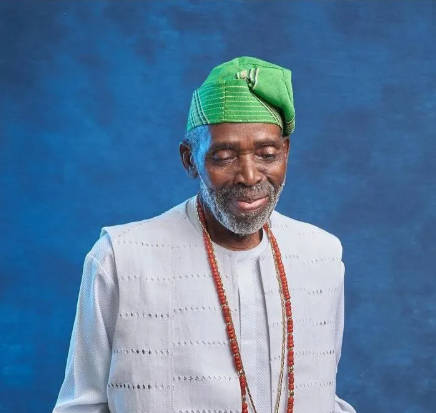
Years Of Illness And Life Away From The Spotlight
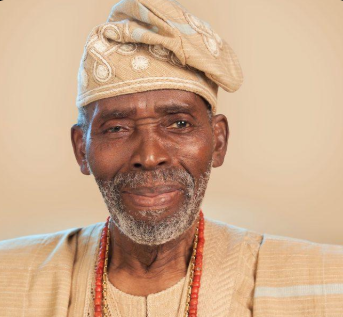
In his later years, Jacobs appeared less frequently in public.
Silva disclosed in an interview with Chude Jideonwo that her husband had been living with dementia with Lewy bodies, a condition that affects the brain and can influence thinking, movement and behaviour.
The disclosure brought public attention to a private family experience. It also helped explain why the actor, once a familiar presence on screen and at industry events, had become less visible.
His health was not the whole story of his later life. It was one part of a much longer journey that included decades of work, family life and contributions to the performing arts.
The family’s repeated calls for privacy also underline the importance of treating illness and bereavement with care, particularly when the people involved are public figures.
The Final Announcement: September 16, 2026
Suddenly, the news that Nigerians had long hoped would not come arrived on Wednesday, September 16, 2026.
Jacobs died at the age of 84, according to an announcement by his family.
His son, Olusoji Jacobs (Jnr), shared the news on Instagram, while the family described the actor as “The Lion of Lufodo”.
Statement Issued By The Family:
“It is with gratitude to God for a life well lived and fought, that we announce the passing of our dear husband, father, grandfather and uncle. The Lion of Lufodo.”
The statement, which gave his full name as Oludotun Baiyewu Jacobs also listed his dates of birth and death as July 11, 1942, and September 16, 2026.
Meanwhile, the family has appealed to bloggers and social media influencers to respect its privacy during the period of mourning.
However, the announcement brought an end to a life that had crossed several countries, generations and forms of storytelling.
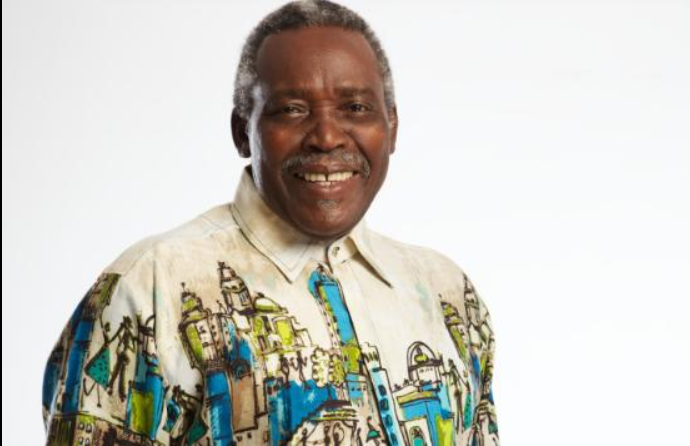
Remembering The Man Beyond The Roles
Going forward, to remember Olu Jacobs only as a Nollywood actor would leave out much of his story.
He was a young boy who found an interest in drama in Kano.
He was a student who travelled to Britain to pursue his ambition.
He was a professional performer who worked in theatre, television and international cinema before returning to Nigeria.
He was also a husband and father who built a family with Joke Silva, and a creative entrepreneur whose work extended into film production, distribution and performing arts education.
His career connected different periods of Nigerian entertainment.
He worked before Nollywood became the globally recognised industry it is today, and he remained a familiar figure as it expanded.
His story also speaks to the value of training, experience and the willingness to pursue a chosen craft across different environments.
For audiences who watched him for decades, his performances remain part of their memories of Nigerian film and television.
For younger performers, his professional journey offers a record of how a career in the arts can develop through training, opportunity, persistence and years of work.
He was a life that not only became part of Nigerian entertainment history. he was, in every sense, an actor whose life and times reached beyond the screen and crossed continental shores.
—