By Jemimah Wellington, JKNewsMedia Correspondent
EFFORTS TO expand the strength of the Nigerian Army moved into a new phase as the institution confirmed structured plans to recruit and train 24,000 soldiers to reinforce operational readiness across the country.
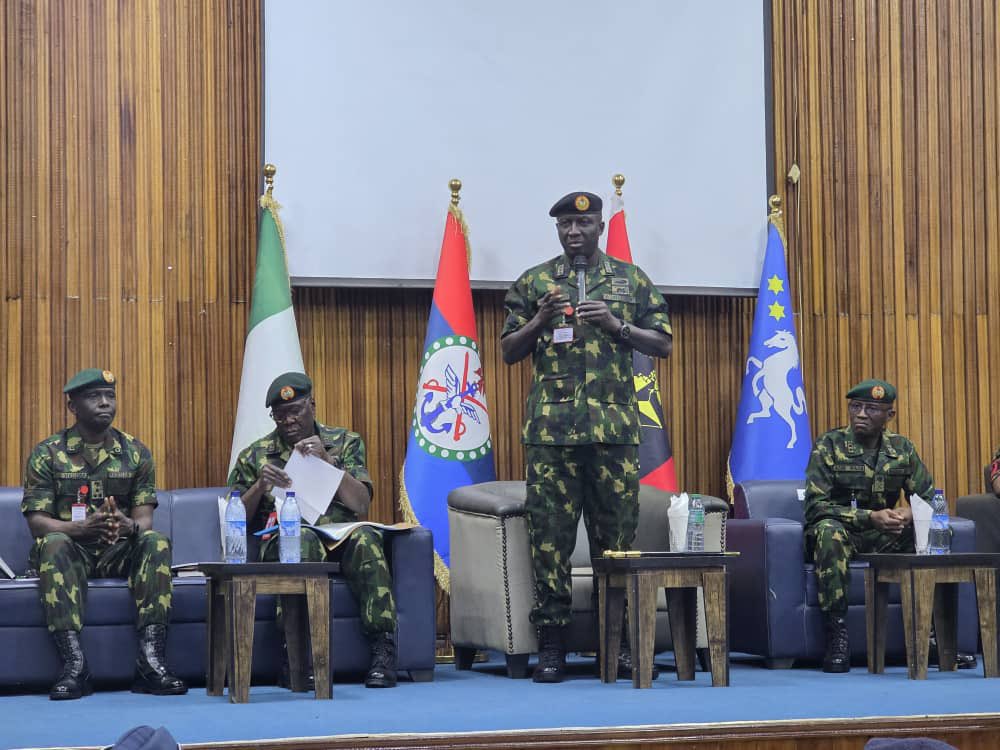
The confirmation followed an operational visit by the chief of army staff (COAS), Waidi Shuaibu, to the 1 Division of the Nigerian Army in Kaduna, where he outlined the programme as a central element of ongoing measures to address shifting security pressures.
Statements delivered during the visit focused on the scale of the recruitment drive and the requirements shaping the training schedule. The COAS said the Nigerian Army faces a vast operational landscape, noting that the dynamic nature of security challenges continues to necessitate an increase in personnel across formations and units.
According to him, the army’s approach is guided by the need to respond promptly to threats and to maintain a capable presence in regions where deployments have expanded.
He explained that the plan begins with the training of 12,000 soldiers within six months, achieved through three newly approved training centres.
He said the centres were authorised by President Bola Tinubu to support larger intakes and to strengthen the capacity of the army to produce trained personnel within shorter cycles, adding that the training framework could run two streams simultaneously, enabling the production of 24,000 soldiers ready for deployment.
According to the COAS, the facilities approved for the programme have been selected to support modern training modules that reflect current operational realities.
He also said the new centres will equip recruits with skills in tactical operations, modern warfare principles, weapons handling, and core combat readiness, ensuring they are prepared for field responsibilities upon completion.
He emphasised that the training is designed to meet present threats with improved competence, discipline, and precision.
He noted that the recruitment drive aims to strengthen manpower distribution across operational theatres, enabling quicker mobilisation and improved coverage of sensitive locations.
He also said the initiative is expected to enhance the army’s capacity to protect civilians and national assets, given the increasing security demands confronting several regions and added that the expansion will support response efforts and reinforce the operational backbone of the force.
The COAS stressed that the programme places equal emphasis on quality and quantity. He explained that the training schedule will prioritise the basics of soldiering, including tactical awareness, fieldcraft, leadership principles, and combat skills.
According to him, this balanced approach ensures that recruits understand the standards and expectations of the institution before deployment. He said the army remains guided by professional ethics that shape conduct in the field and within formations.
He stated that the period reflects urgent demands on national security, making it essential to maintain a force that is adequately staffed and properly equipped for emerging scenarios.
He said the army is committed to ensuring that all recruits receive the tools, guidance, and support needed to perform effectively.
The COAS stated that the magnitude of the challenges across the country requires structured solutions rooted in practical training and efficient personnel management.
During the engagement, Shuaibu reiterated the army’s commitment to its “soldier first” philosophy. He said the philosophy emphasises welfare, equipment, and leadership support as fundamental components of military readiness.
He noted that welfare programmes remain a priority and that ongoing initiatives continue to focus on improving the environment and conditions in which personnel operate.
He said the strength of the army depends on the wellbeing of its members and that maintaining this focus enhances operational effectiveness.
He encouraged senior officers within the 1 Division to provide strong mentorship to incoming recruits. He said leadership from experienced officers remains central to passing down military values and maintaining discipline within ranks.
He emphasised that mentorship provides continuity in operational standards, and its importance becomes even more pronounced as the army prepares to integrate larger numbers of recruits across various units.
He added that the expansion of training centres requires close coordination between commands to ensure efficient intake management and deployment planning.
Shuaibu explained that divisions must maintain operational awareness, anticipate the responsibilities that accompany larger troop numbers, and ensure that the integration process is guided by clarity and structure.
He noted that deployments will continue to align with national priorities and situational assessments across the country.
Shuaibu stated that the initiative aligns with wider internal reforms aimed at improving operational systems and strengthening troop welfare, disclosing that the Nigerian Army remains dedicated to sustaining integrity in operations, enhancing response time, and maintaining a robust presence in communities affected by security pressure.
The recruitment plan forms part of broader efforts to reinforce national defence, he reiterated.
He noted that each phase of the drive will be executed according to approved guidelines, ensuring compliance with established standards.
He said the training centres are expected to handle the expansion without compromising the core values that guide the army’s operations, noting that adherence to procedure and structured delivery ensures that new recruits meet the requirements of frontline service.
The COAS said effective management of the new training cycle will depend on collaboration across commands and divisions.
He stated that the army will continue to monitor progress across training centres and ensure that each batch meets the operational expectations set for them.
He said the institution’s readiness to respond to emerging situations rests on the strength of its training system and the discipline of its personnel.
He added that the upcoming intake will form a key part of ongoing efforts to reinforce the country’s security structure. According to him, every recruit trained under the programme contributes to strengthening operations across all zones.
He said the Nigerian Army will maintain its focus on building a force that is responsive and capable of meeting the demands placed upon it by national developments.
He noted that the visit to the 1 Division provided an opportunity to evaluate operational conditions and offer direction on the integration of new personnel.
He also noted that such engagements remain central to assessing the army’s preparedness for evolving challenges and ensuring that all units remain aligned with institutional objectives.
Shuaibu concluded by restating the resolve of the Nigerian Army to maintain professionalism and readiness as it executes the recruitment and training plan.
He said the institution will continue to reinforce its personnel, improve its systems, and support national stability through structured operational strategies.
The recruitment of 24,000 soldiers forms a significant part of the effort to ensure consistent, reliable, and effective military operations across Nigeria, he emphasised.