By JKNewsMedia
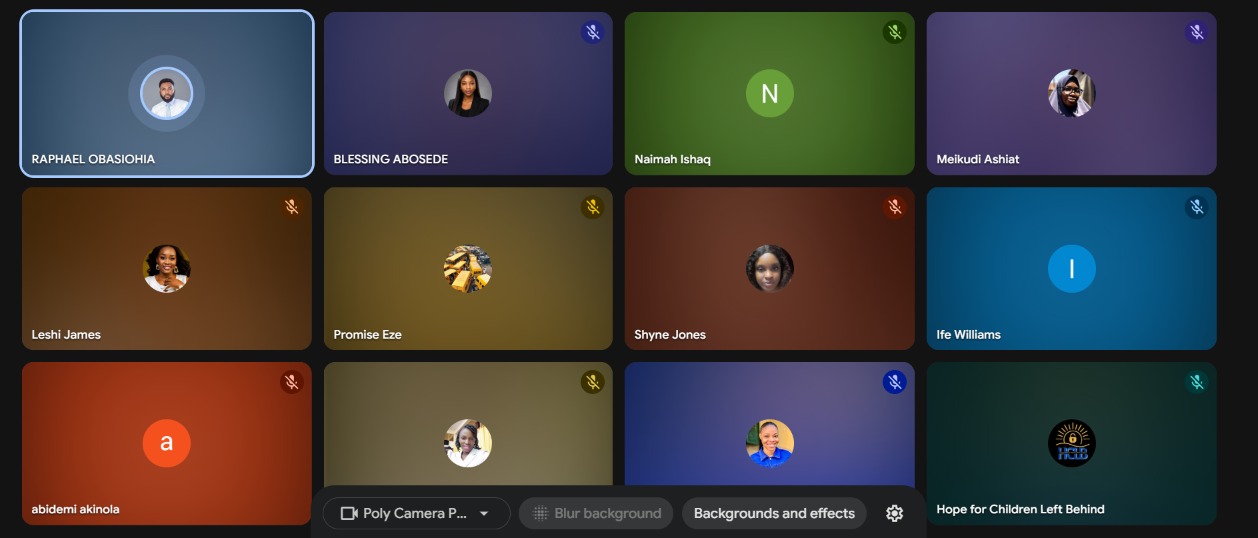
TO STRENGTHEN knowledge and practical action around child rights and social change for children affected by parental incarceration, the Hope for Children Left Behind Initiative (HCLBI), has designed and launched WAMIRI 1.0, a learning programme.
JKNewsMedia.com reports that it is a six-month advocacy training programme opened for youths seeking practical knowledge to support children of imprisoned parents, with a focus on child rights, safeguarding and ethical engagement.
Virtually launching the training on Saturday, August 29, as the first session of WAMIRI 1.0, HCLBI said it’s one of the new ideas in its line-up of e-learning programme themed “Turning Shared Perspectives into Practical Social Change.”
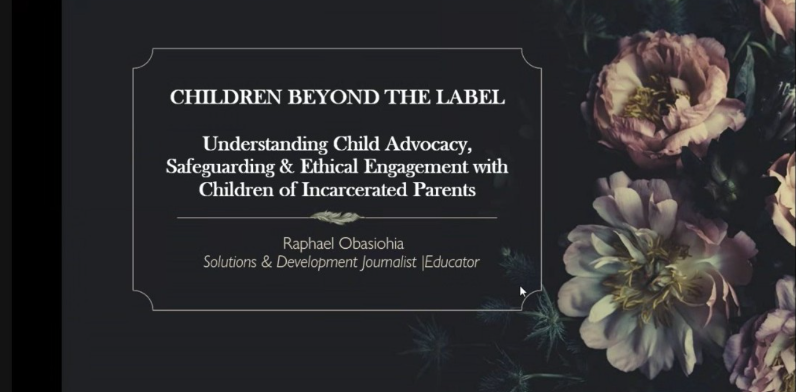
Facilitated by development journalist and educator, Raphael Obasiohia, the opening session focused on safeguarding, child rights, ethical storytelling, consent and the responsibilities of people working with children affected by parental incarceration.
Explaining the concept, HCLBI’s executive director, Zainab Adewale, said the programme was created to equip people with the knowledge needed to turn their concern for social issues into practical action.
“We conceived the idea because we believe that people can care deeply about an issue and still need the right knowledge to act on it. We want to create a space where people can learn from different professionals, share perspectives and leave with something they can actually use to create change,” she said.
Adewale also said the programme was coined from the Yoruba expression “wá mi rí”, which speaks to something that has been lost or missing and later found.
She added that the idea reflects HCLBI’s work with children of incarcerated parents, who are often overlooked by existing systems and conversations.
She explained that the first session was held as an in-house training for HCLBI’s youths, while subsequent sessions would open to members of the public from September 2026 and continue monthly for the next five months.
“This first training is just the beginning of WAMIRI 1.0. From September, we will open the sessions to members of the public and bring in professionals from areas such as media, communications, child rights, safeguarding, policy and programme implementation because we need different perspectives if we are serious about creating meaningful change for children,” she said.
Adewale said the programme would bring professionals from different fields together because child advocacy does not happen in isolation.
“The issues affecting these children are not one-dimensional, so the people working to address them cannot all think from the same angle,” she said.
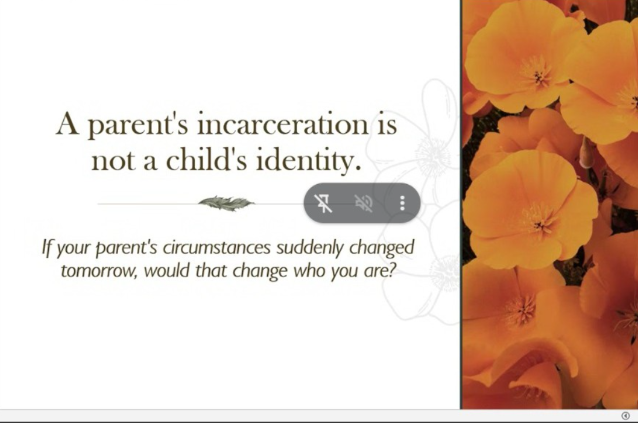
During the training, Obasiohia urged participants to listen to children affected by parental incarceration rather than make assumptions about their experiences.
“Effective advocacy must begin with listening rather than assuming,” he said. “The child is not the crime of the parent, and the child is bigger than the pain or the circumstances that brought you to them.”
He said parental incarceration can affect children’s education, finances, emotional wellbeing and family stability, but warned against allowing those experiences to become the only lens through which a child is viewed.
The facilitator also challenged participants to consider the potential consequences of stories, photographs and videos involving children, particularly where such material could expose their identity, dignity or future to unnecessary risk.
“Sometimes the post gets attention, people donate and an organisation gets visibility, but we have to ask what the child paid for that attention and what the child sacrificed for it,” he said.
Obasiohia said ethical storytelling was not limited to journalists, noting that charities, advocates and social media content creators also had responsibilities when sharing children’s stories.
JKNewsMedia.com also reports that the training further examined consent, with Obasiohia stressing that a child’s willingness to speak does not automatically mean the child fully understands what they are agreeing to.
He urged advocates to consider whether children understand who they are, why they want to engage with them and whether they can genuinely say no without fear or pressure.
Reating, participants also examined how language and storytelling can shape a child’s self-image and public perception.
Obasiohia cautioned against descriptions that reduce children to their parents’ incarceration and encouraged advocates to preserve their dignity.
HCLBI said it hopes WAMIRI will develop into a space where participants not only learn about social problems but also build the knowledge, relationships and confidence to act on them.
A release signed by Bello Bayo, Communications Officer, said HCLBI is a Nigerian child-focused advocacy initiative dedicated to the rights and wellbeing of children affected by parental incarceration.
Bayo further explains that the organisation works to ensure that children of incarcerated parents are seen, heard and included in conversations and interventions affecting their lives, with a focus on advocacy, education, psychosocial support, welfare, partnerships and research.
—