By Jemimah Wellington, JKNewsMedia Reporter
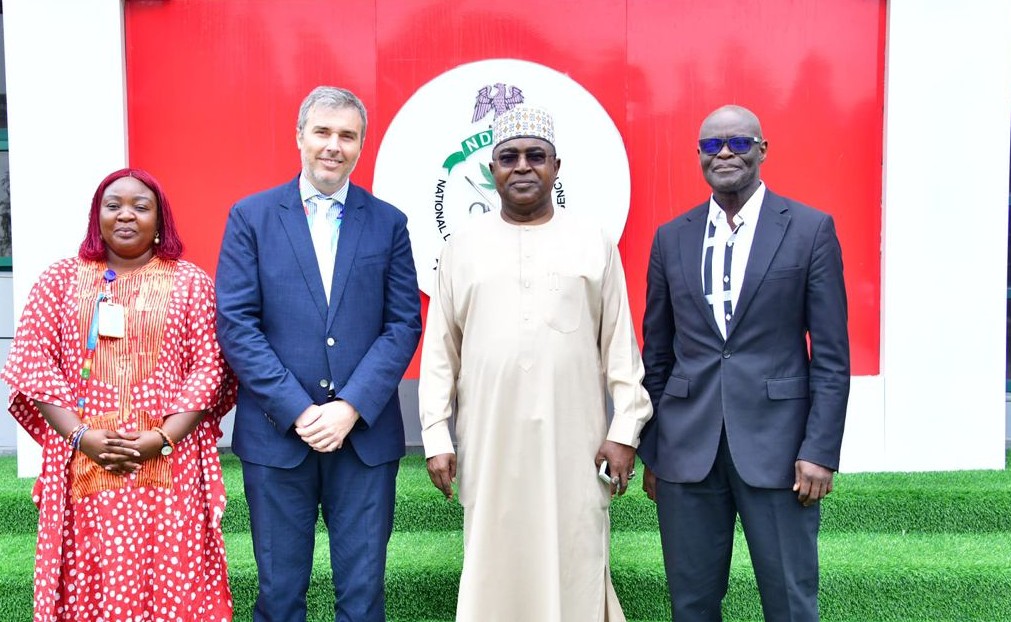
PUBLIC PARTICIPATION has taken centre stage in Nigeria’s evolving fight against drug abuse and trafficking, as the National Drug Law Enforcement Agency (NDLEA) and the United Nations Office on Drugs and Crime (UNODC) unveiled a nationwide slate of activities to mark the 2025 World Drug Day.
At a press conference in Abuja, NDLEA Chairman/Chief Executive Officer Brig Gen Mohamed Buba Marwa (Rtd.) declared that safeguarding the country from the scourge of drug use must no longer be left to law enforcement alone.
He urged families, communities, institutions, and state governments to take ownership of preventive efforts and help redirect vulnerable youths from the path of addiction.
“Our War Against Drug Abuse (WADA) initiative will intensify support to schools, religious centres, trade unions, and communities to deepen awareness about the dangers of illicit drug use,” Marwa said, emphasising that the year’s campaign theme, The Evidence Is Clear: Invest In Prevention, will anchor a multi-tiered push for mass sensitisation.
The weeklong observance begins on 20th June at the National Mosque, followed by a Walk Against Drug Abuse on 21st June in Gwagwalada, Abuja.
A Thanksgiving Service is scheduled for 22nd June at Mountain of Fire and Miracles Ministries in Abuja, while 23rd June will feature an essay competition for schoolchildren on the theme: “Why I Must Not Take Drugs” and a series of NGO-led prevention activities.
On 24th June, NDLEA teams will reach out to out-of-school youth in markets and motor parks across the FCT Area Councils.
The grand finale on 26th June will be hosted at the State House Conference Centre, Abuja.
Marwa highlighted significant strides recorded under his leadership, including the integration of body cameras in field operations and ongoing infrastructural upgrades such as new barracks and rehabilitation centres in Adamawa, Kano, and the FCT.
“We are modernising our enforcement approach and achieving consistent gains in arrests, convictions, and seizures,” he said.
Representing the UNODC Country Office, Danilo Campisi echoed the call for subnational collaboration, stressing that drug trafficking is linked to a broader ecosystem of criminality, ranging from human trafficking to violent extremism and must be tackled from both supply and demand angles.
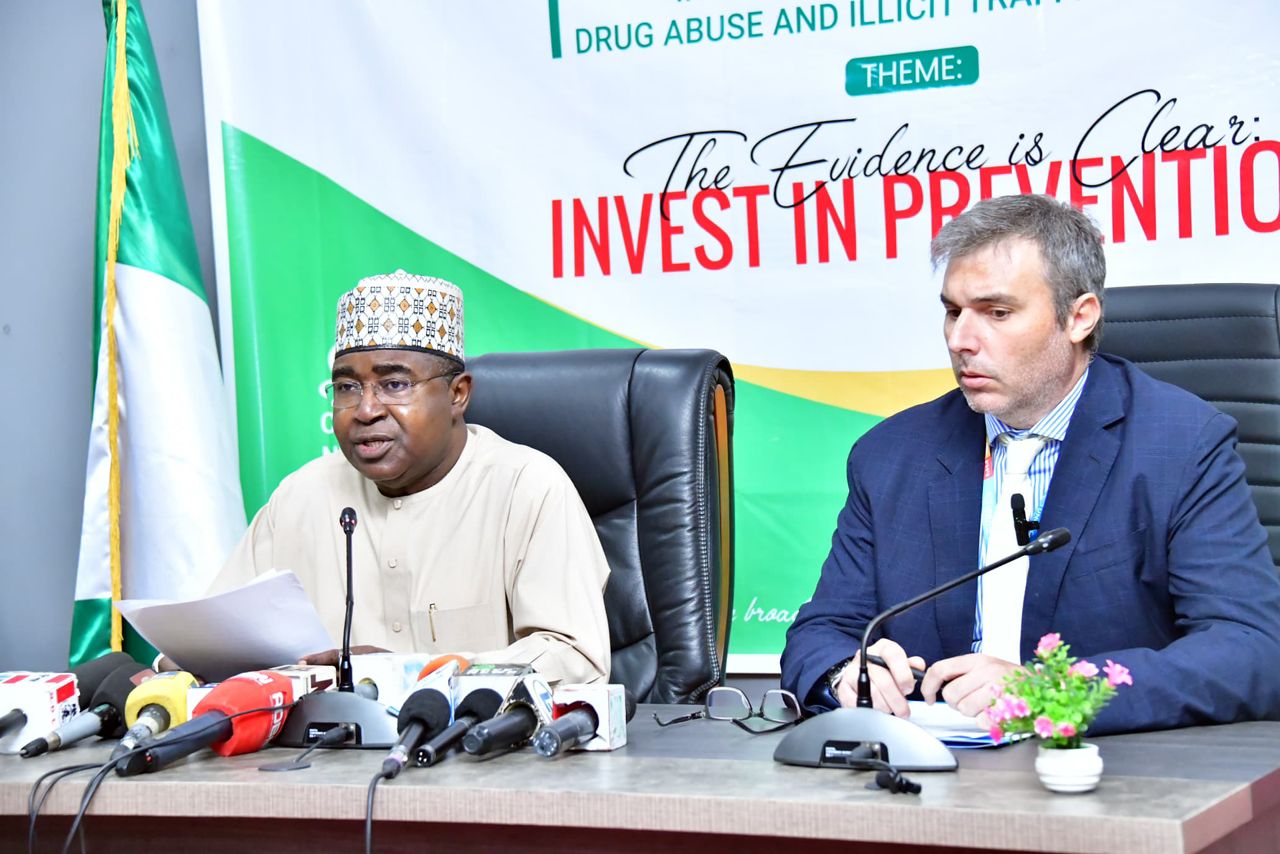
“Prevention is critical,” Campisi noted, citing the need for evidence-based treatment and rehabilitation programmes at the state level.
“UNODC remains committed to supporting Nigeria through capacity building in forensic science, border control, and intelligence sharing to dismantle criminal syndicates and aid national recovery efforts.”
The agency reaffirmed its partnership with NDLEA, praising Marwa’s “strategic and courageous” leadership in turning the tide against drug abuse and trafficking in Nigeria.