By Ajibola Olaide, JKNewsMedia Reporter
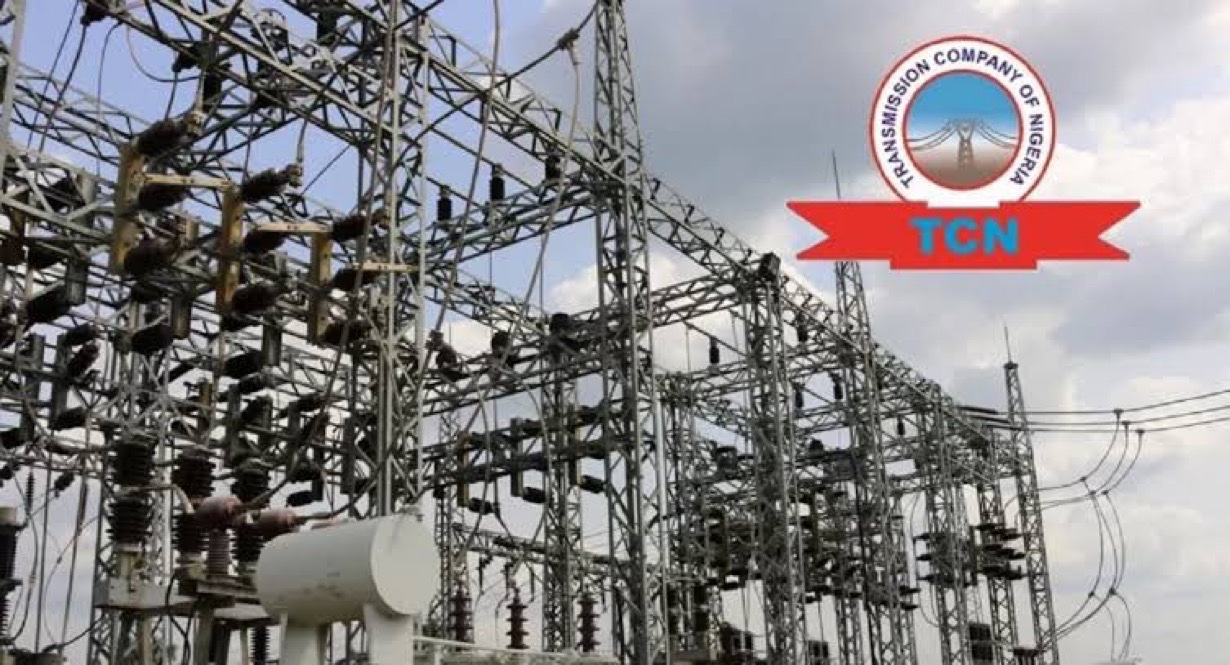
WASTED FUNDS amounting to N88 billion have gone into repairing vandalised electricity transmission infrastructure across Nigeria, the Transmission Company of Nigeria (TCN) has disclosed.
The company revealed this during a public sensitisation exercise held at the Odogunyan 132Kv Transmission Substation in Ikorodu, Lagos.
Engr. Seyi Onabajo, Principal Manager, Lines at TCN, explained that resources meant for expanding and upgrading the nation’s power transmission system have instead been diverted to restoring damaged infrastructure.
He stressed that money which should ordinarily have been remitted as taxes to support development is being spent to fix repeated acts of vandalism.
“This is a wakeup call for the whole community and beyond to protect TCN infrastructures and report cases of vandalism to the appropriate authorities,” Onabajo stated.
He warned that the current trend is unsustainable, pointing out that constructing a new tower from the ground up is less costly than carrying out extensive repairs on vandalised ones.
Onabajo noted that the recurrent incidents of destruction have slowed progress on expanding the national transmission network.
According to him, communities bear the brunt of such setbacks as repairs take months to complete, leading to prolonged power outages and negative economic effects.
His concerns were reinforced by Engr. Mojeed Akintola, General Manager of TCN Lagos Region, who emphasised that while TCN continues to collaborate with stakeholders, the cost implications of vandalism remain overwhelming.
“So far, we are delighted with the response received from the community leaders, the security agencies which include the Nigerian Police and Civil Defence, steel companies around Ikorodu and some key community members,” Akintola said.
He added that TCN plans to sustain engagement with affected communities, explaining that sensitisation sessions will be conducted quarterly.
“We will engage our local management to reach out to more community leaders and stakeholders around the area,” Akintola stated.
The General Manager also confirmed that Ikorodu has been marked for transmission upgrades, but cases of vandalism often force the company to divert allocated funds towards repairs instead of planned development.
He explained that this cycle delays improvements in electricity supply.
“Most times, these repairs take up to three to four months before it is completed leaving communities without power supply,” Akintola said.
He further disclosed that vandalism significantly increases costs, with repairs often consuming more than three times the amount required to erect a new tower.
Beyond the direct expenses, Akintola noted that many of these repairs are not accounted for in the company’s approved budgets, placing additional strain on resources and slowing down project timelines.
TCN emphasised that vandalism not only disrupts electricity transmission but also undermines Nigeria’s economic stability by creating power supply gaps.
Both officials reiterated that protecting national transmission assets is a shared responsibility and urged residents to remain vigilant against perpetrators.
The company explained that by reporting suspicious activities around transmission towers and related infrastructure, communities can play a crucial role in safeguarding public investments.
TCN called on citizens, security agencies, and industry stakeholders to intensify cooperation to end the recurrent destruction of electricity facilities.
At the sensitisation forum, participants including security operatives, steel companies in the Ikorodu area, and community leaders pledged to support TCN’s efforts by fostering collaboration and vigilance.
The company said this partnership was critical to ensuring uninterrupted electricity supply and preventing the diversion of scarce funds from planned upgrades to unplanned repairs.
According to TCN, repeated attacks on transmission infrastructure delay Nigeria’s broader goals for power sector development and economic growth.
The agency maintained that communities have the most to lose when towers are vandalised, as prolonged downtimes mean not only interrupted supply but also higher costs that slow future investments.
The management restated that it would continue its awareness campaigns to draw attention to the heavy financial burden posed by vandalism and to build stronger partnerships with residents and stakeholders across the country.