By Joke Kujenya
TOUGHENED IMMIGRATION rules are nearing enforcement to block citizens of Nigeria, Ghana, and 34 other nations from entering the United States, even with valid visas, under a stringent new directive by the United States President Donald Trump administration.
The sweeping travel ban is set to become a policy, currently being refined, as it stems from a renewed executive order aimed at tightening national security by restricting migration from nations flagged for inadequate identity verification systems, visa overstays, or suspected links to terrorism.
The U.S. State Department has issued a 60-day deadline to the governments of the targeted nations, instructing them to submit actionable remediation plans to address security and documentation concerns.
The memo, signed by Secretary of State Marco Rubio, instructs U.S. diplomatic missions to liaise with officials from the affected countries and ensure compliance by the stipulated timeline.
An internal directive cited by officials mandates affected governments to respond by 8 p.m. on the designated Wednesday.
The document highlights systemic flaws such as non-cooperative or non-functioning civil institutions, unreliable national ID systems, and documented fraud.
It also cites issues such as the provision of citizenship through financial investment without residency and alleged domestic antisemitic or anti-American conduct by some foreign nationals.
The latest measure expands upon earlier bans initiated under Trump’s first term, which had already imposed full or partial entry restrictions on 19 countries.
The new list incorporates 36 additional nations, predominantly from Africa and the Middle East. Among those flagged are Angola, Benin, Cameroon, Egypt, Ethiopia, Ghana, Nigeria, Senegal, South Sudan, Tanzania, Uganda, Zambia, Zimbabwe, and others. Caribbean nations including Saint Lucia, Dominica, and Saint Kitts and Nevis also appear on the list.
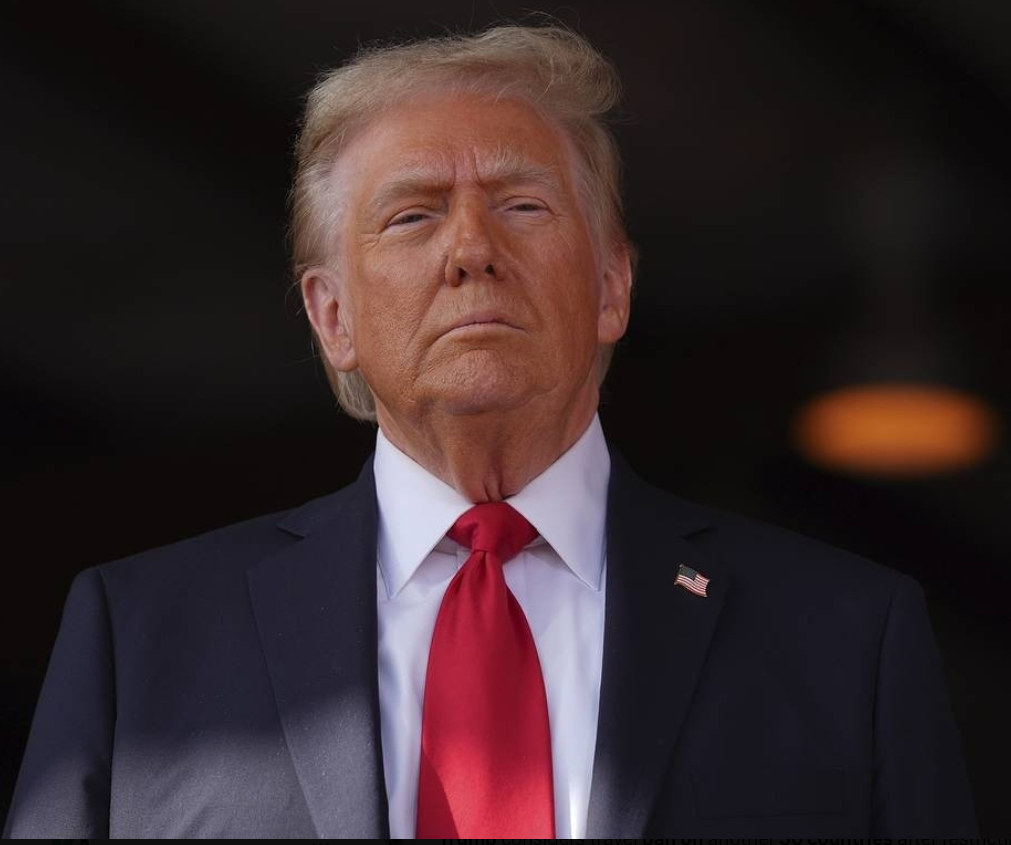
Trump defended the order during a national address, linking it to a violent incident in Boulder, Colorado, where 12 individuals were injured during an event supporting Israeli hostages.
The president cited it as further proof of the danger posed by foreign visa overstayers.
“We don’t want them here,” he said, reiterating that countries unable to provide secure vetting for their citizens pose a threat to U.S. national security.
The directive allows for a reduction in restrictions should the countries show substantive cooperation in immigration enforcement, such as accepting repatriated nationals or signing safe third-country agreements.
Nonetheless, the potential consequences of non-compliance include immediate enforcement of visa limitations or outright bans.
Trump’s administration previously faced widespread criticism over similar travel policies, particularly for targeting Muslim-majority nations and African countries.
The current order follows a similar pattern, with additional nations under consideration, including Afghanistan, Chad, Congo, Equatorial Guinea, Eritrea, Iran, Myanmar, and Sudan.
Meanwhile, the African Union (AU) has condemned the policy, stating that while the U.S. reserves the right to protect its borders, the approach risks undermining long-standing diplomatic, educational, and economic ties.
The AU urged Washington to pursue more constructive dialogue with the affected nations and avoid sweeping measures that could strain international cooperation.
However, the Trump administration has not provided a definitive activation date for the order but indicated that failure to meet the compliance benchmarks would trigger immediate enforcement.