By Joke Kujenya
MEN ACROSS the world continue to experience poorer health outcomes than women, with shorter life expectancy and higher risks of premature death from preventable diseases and injuries.
Health experts have again urged men to prioritise their wellbeing through regular check-ups, healthier lifestyles, and open conversations about mental health.
The World Health Organization (WHO) and allied public health agencies reiterated that men are more likely to die early from noncommunicable diseases such as heart disease, cancer, and diabetes.
The agencies stressed that men’s health often receives less targeted attention despite clear evidence that proactive prevention can save lives.
Global data show that men have higher rates of smoking, alcohol use, unhealthy diets, injuries, and interpersonal violence.
The WHO stated that these factors significantly contribute to the disparity in life expectancy between men and women in almost every country.
It also noted that men tend to visit health facilities less often, resulting in more undiagnosed or untreated conditions.
The organisation urged men to take greater responsibility for their health by seeking medical advice early, adopting healthy habits, and addressing mental health challenges.
“Good health starts with small steps,” the WHO advised, encouraging men to begin making incremental lifestyle changes this month.
Health professionals outlined five critical actions men can take to improve and maintain good health.
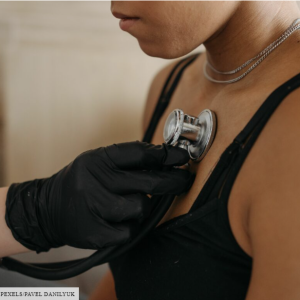
First, having regular check-ups remains one of the most effective ways to detect diseases early and prevent complications.
The WHO advised that even men who feel healthy should undergo routine screenings such as blood pressure and blood sugar checks, as well as prostate examinations.
Mental health should also be treated with equal importance, with the WHO stressing that seeking support for depression or anxiety is a vital component of overall wellbeing.
Second, reducing alcohol use can have a significant impact on long-term health.
The WHO reported that the harmful use of alcohol caused nearly 3 million deaths globally in 2016, with men accounting for about 75% of those deaths.
Excessive drinking not only increases immediate risks such as road crashes, violence, and injuries but also leads to chronic conditions including liver disease, cancer, and heart problems.
The WHO highlighted that alcohol misuse can severely affect mental health and family life.
Third, quitting smoking is one of the most powerful steps men can take to improve their health.
Tobacco use causes cancer, lung and heart diseases, stroke, and other chronic conditions, claiming more than 8 million lives every year.
The WHO added that smoking also contributes to impotence and reduced fertility.
Encouragingly, health benefits begin soon after quitting.
Within two to twelve weeks, lung function improves, and within a year, the risk of heart disease drops to about half that of a smoker.
Fourth, the WHO recommended better nutrition as a cornerstone of disease prevention.
Eating a balanced diet rich in fruits, vegetables, legumes, nuts, and whole grains helps reduce the risk of diabetes and other metabolic disorders.
Men are advised to limit salt intake to less than one teaspoon per day, reduce added sugars to below 5% of total energy intake, and keep saturated fats under 10% of total energy consumption.
These dietary measures, according to the organisation, play a crucial role in maintaining cardiovascular health and preventing obesity-related diseases.
Fifth, physical activity remains essential to both physical and mental health.
The WHO estimated that one in four adults globally are not active enough.
It recommends at least two and a half hours of moderate intensity exercise each week, such as brisk walking, cycling, or swimming.
Regular physical activity helps control body weight, lowers the risk of heart disease, stroke, diabetes, and cancer, and can also improve mental wellbeing by reducing symptoms of depression and anxiety.
Health agencies also emphasised that the benefits of these preventive measures extend beyond individuals to families and communities.
By reducing health risks, men can improve productivity, strengthen family relationships, and lower the overall burden on healthcare systems.
Public health campaigns are increasingly focusing on closing the gender gap in health outcomes.
Experts have called for more inclusive health services that specifically address men’s needs, from accessible mental health support to targeted awareness about noncommunicable diseases.
They also advocate for broader social change to dismantle stigmas that discourage men from seeking help or discussing health concerns.
Medical authorities urged governments and employers to support men’s health initiatives through workplace wellness programmes and accessible healthcare policies.
“Encouraging men to take charge of their health should be a societal commitment,” WHO representatives stated, adding that early detection and prevention are the most cost-effective strategies to combat global health inequalities.
As global health agencies mark men’s health awareness initiatives this month, the message remains clear: prevention, responsibility, and awareness are key.
From lifestyle changes to regular check-ups, men are encouraged to act now to safeguard their health for the long term.
Regular monitoring of vital health indicators reduced alcohol and tobacco consumption, improved diets, and sustained physical activity together create a strong foundation for wellbeing.
Health professionals remind that these small but consistent actions can significantly extend life expectancy and quality of life.
The WHO reaffirmed its commitment to supporting national governments with policies and programmes that promote healthy living among men.
It reiterated that men’s health must remain a central focus of global public health strategies, ensuring that men of all ages have access to the information, support, and services necessary to lead healthier, longer lives.
Through ongoing advocacy and public education, international health bodies continue to highlight the need for stronger awareness of preventable diseases among men.
The collective goal is to build a world where good health is prioritised equally by both men and women, sustained through awareness, prevention, and accessible care.