By JKNewsMedia
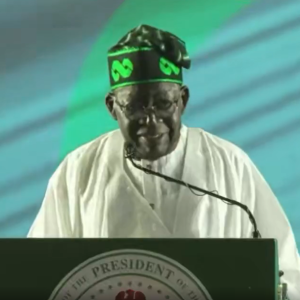
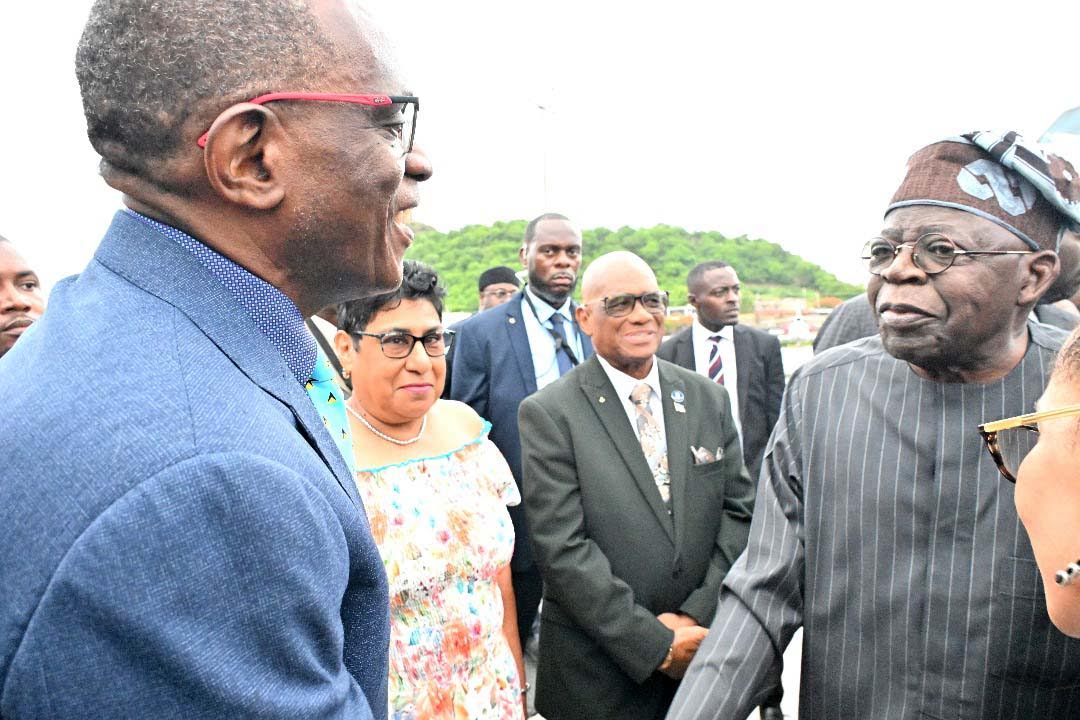
CLARIFYING THE significance of President Bola Tinubu’s state visit to Saint Lucia, Nigerian authorities have emphasised the move as a deliberate diplomatic engagement to strengthen ancestral, cultural, and economic ties between the two nations.
The visit comes amid misinformation and misguided public commentary, prompting officials to reaffirm its historical and strategic context.
From the perspective of Saint Lucia’s government, the Nigerian leader’s presence signals a rekindling of long-standing bonds.
Thousands of Saint’ Lucians trace their lineage to Nigeria, owing to 19th-century migratory waves that carried African culture, religion, and traditions to Caribbean shores.
These ancestral links, officials say, form the basis for a renewed push toward deeper South-South cooperation.
Hence, Tinubu’s visit aligns closely with Nigeria’s Four D’s foreign policy namely Democracy, Development, Diaspora, and Demography including supports the African Union’s agenda of recognising the African diaspora as the continent’s Sixth Region.
By engaging Saint Lucia, a gateway to 15 CARICOM countries with a collective GDP exceeding $130 billion, Nigeria positions itself to elevate trade, culture, and diplomatic integration within the Caribbean.
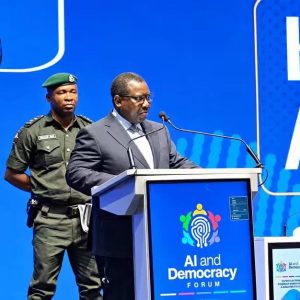
President Tinubu’s itinerary includes a historic address at a joint session of the Saint Lucian Parliament, held at the Sandals Grande Saint Lucian Conference Hall, previously graced by U.S. President Bill Clinton.
The event marks the first official state visit by an African Head of State to Saint Lucia since Nelson Mandela’s appearance in 1998, highlighting the rarity and significance of the engagement.
Saint Lucia’s Relevance
A statement issued by the Presidency notes that shared historical figures further illustrate the deep connections between the two nations – Nigeria and Saint Lucia.
Saint Lucian-born jurist Sir Darnley Alexander served as Chief Justice of Nigeria from 1975 to 1979 and played a critical role in shaping the country’s post-colonial legal system.
His legacy includes various judicial appointments and honours, reflecting a profound contribution to Nigerian governance.
Also, architect Neville Skeete’s design of the Central Bank of Nigeria (CBN) headquarters and the military service of Sir Darnley’s son during Nigeria’s civil war further exemplify bilateral ties.
These historic footprints are now being revived through structured cultural and technical exchange.
President Tinubu’s visit also features a planned tour of the Sir Arthur Lewis Community College, symbolising Nigeria’s commitment to educational partnerships.
Nigerian Technical Aid Corps personnel accompanying the delegation will facilitate further collaboration, providing expertise to countries across Africa, the Caribbean, and the Pacific.
President Tinubu’s presence was met with enthusiasm by local residents.
Ahead of his arrival, Saint Lucian airwaves resonated with Afrobeats and Nigerian music during the island’s iconic Gros Islet Street Party, including a cultural demonstration of Nigeria’s growing influence across the Caribbean.
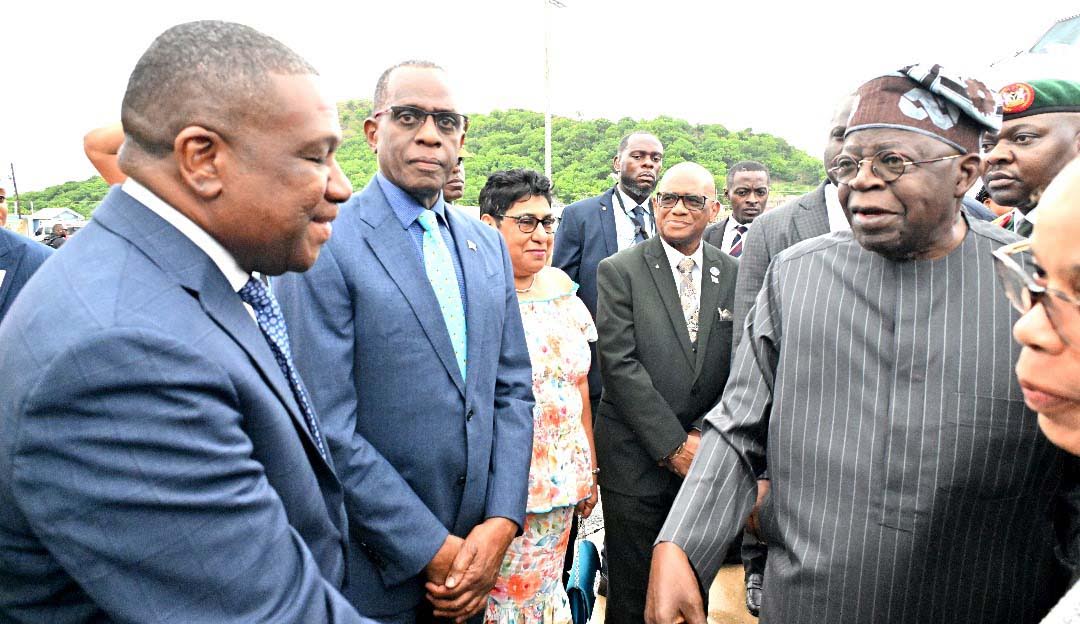
A reception hosted by the Saint Lucian Prime Minister will allow President Tinubu to engage directly with members of the Nigerian community in the country.
Their interaction also offers a platform to discuss shared priorities, diaspora engagement, and bilateral growth strategies.
Nigeria and Saint Lucia’s partnership is said to be rooted in mutual respect, historical bonds, and shared democratic ideals.