By JKNewsMedia Trends
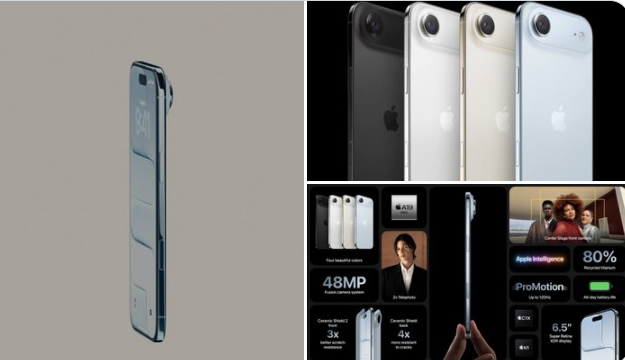
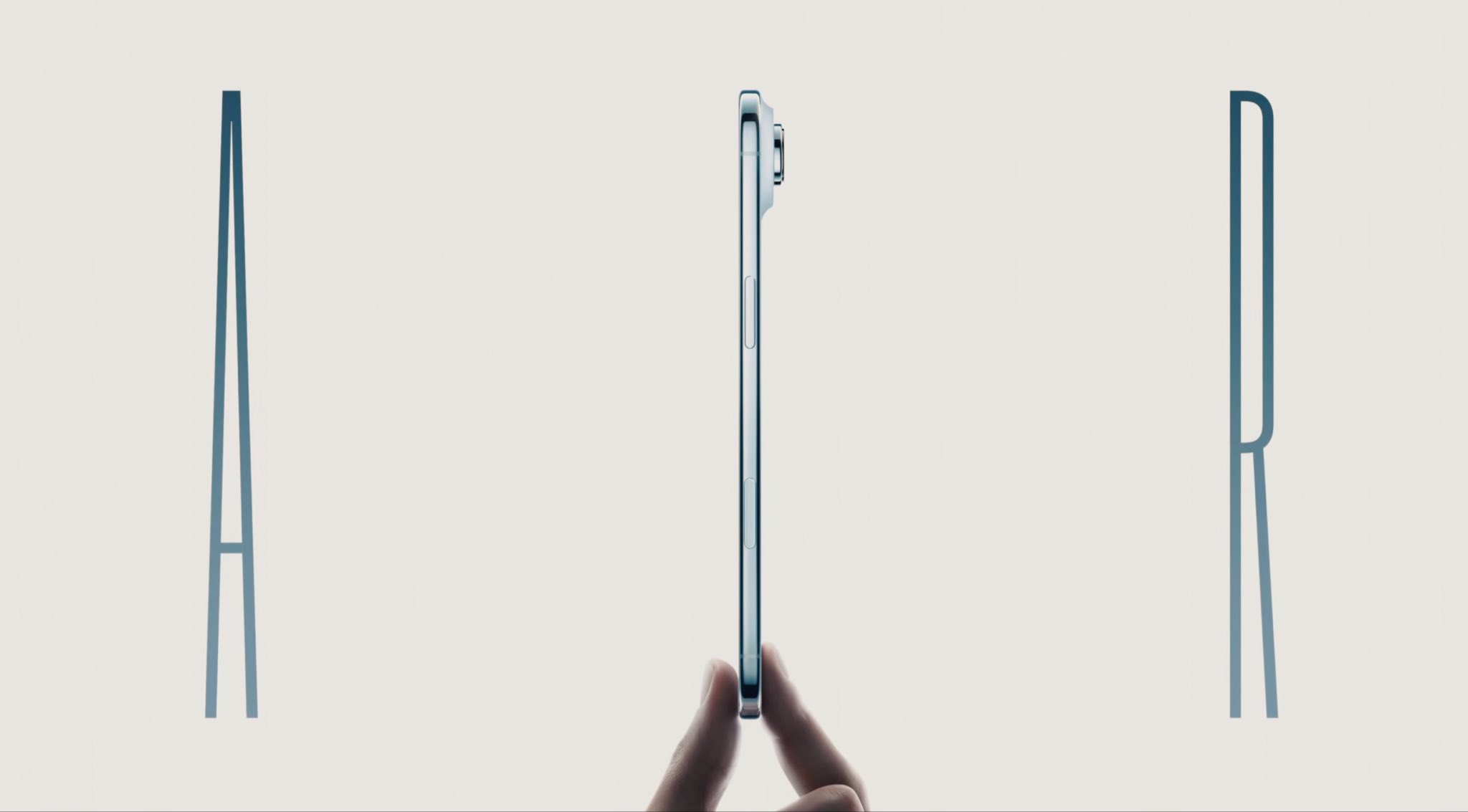
THINNEST SMARTPHONES in Apple’s history made its debut at the company’s Cupertino launch, where the iPhone Air was unveiled at 5.6 millimetres thick. Chief Executive Officer Tim Cook described the device as a “game changer” during Tuesday’s presentation.
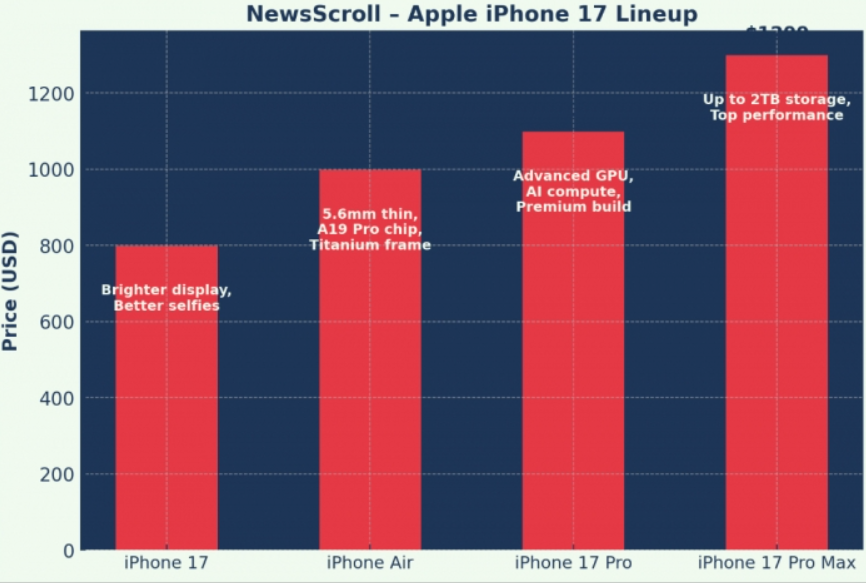
Apple confirmed that the iPhone Air, priced at $999, will be positioned between the entry-level iPhone 17 at $799 and the iPhone 17 Pro at $1,099.
The phone features a 6.5-inch display, titanium frame, tougher ceramic shield, and a denser high-capacity battery.
At the centre of the device is the new A19 Pro chip, paired with a second-generation GPU that Apple said delivers “MacBook-level compute” performance.
The company stated that AI accelerators have been built into every core, and for the first time, Apple included its own N1 Wi-Fi chip and C1X cellular modem, reducing reliance on suppliers Broadcom and Qualcomm.
The iPhone Air is expected to compete directly with Samsung’s Galaxy S25 Edge.
Apple noted that the device represents a major step forward in its smartphone line, as the industry moves towards foldable designs that are already gaining traction in markets such as China.
Additional updates were announced across the product line.
The iPhone 17 now carries a brighter, tougher screen and improved selfie camera.
The iPhone 17 Pro Max introduces a storage option of up to 2 terabytes; the largest capacity yet offered on an iPhone.
Apple also introduced the Watch Series 11, which comes with a blood pressure monitor subject to regulatory approval.
Pricing for the wearable remains unchanged from last year’s model.
The company confirmed that the AirPods Pro 3, priced at $249, now feature live real-time translation, which Apple positioned as a breakthrough tool for cross-language communication.
Preorders for the new products begin on Friday, with availability in stores set for 19 September.
Following the pricing announcements, Apple’s share price slipped by 1.6 per cent, while suppliers Broadcom and Qualcomm also recorded declines.
Market analysts observed that despite short-term stock reactions, Apple now holds what they described as its “strongest lineup in years,” with the iPhone Air as the centrepiece of its global strategy.