Written by Stephanie Edwards
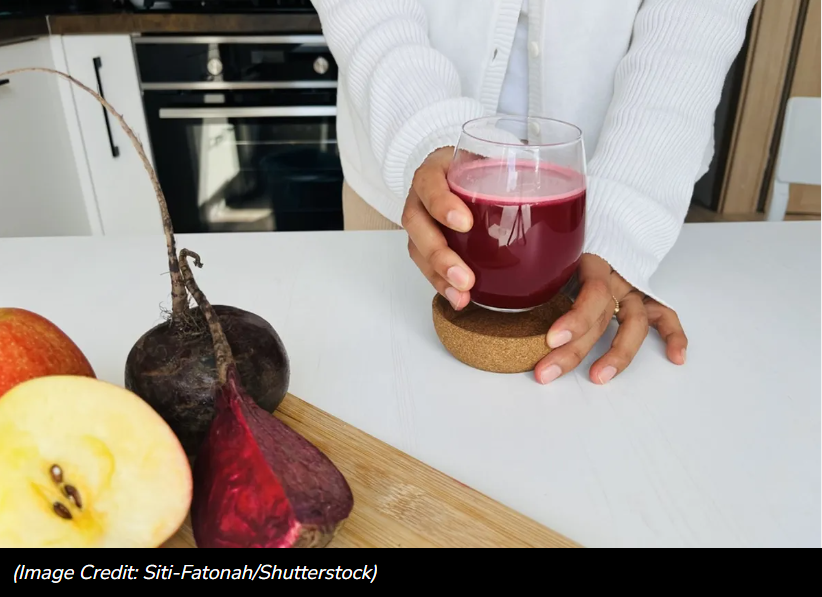
Learn how two shots of beetroot juice a day over a two-week period lowered blood pressure in older adults by balancing the oral microbiome.
LOVE THEM or hate them, beets have earned a reputation as a heart-healthy food. Now, new research suggests that beets could help lower blood pressure in an unexpected way — by altering the bacteria living inside your mouth.
In the largest study of its kind, published in Free Radical Biology and Medicine, scientists found that drinking nitrate-rich beetroot juice lowered blood pressure in older adults by reshaping the oral microbiome.
Researchers say the discovery may help explain why nitrate-rich foods appear beneficial for older people, who naturally lose some ability to regulate blood pressure as they age.
“This research is a great example of how bioscience can help us better understand the complex links between diet, the microbiome and healthy aging.
By uncovering how dietary nitrate affects oral bacteria and blood pressure in older adults, the study opens up new opportunities for improving vascular health through nutrition,” said study partner Lee Beniston in a press release.
How Beetroot Juice May Lower Blood Pressure
The star ingredient in beetroot juice is nitrate, a naturally occurring compound found in vegetables like beets, spinach, celery, and lettuce. Once consumed, nitrate begins a journey through the body — one that depends heavily on oral bacteria.
Certain bacteria in the mouth help convert nitrate into nitrite, which the body can then transform into nitric oxide. That molecule plays a critical role in helping blood vessels relax and widen, making it easier for blood to flow and helping regulate blood pressure.
However, when the balance of bacteria in the mouth becomes disrupted, the nitrate-to-nitrite conversion process may not work as efficiently.
This is where beetroot juice comes in. The new study found that older adults who drank concentrated beetroot juice shots twice daily for two weeks experienced measurable reductions in blood pressure.
Researchers believe this happened because the nitrate-rich juice appeared to suppress potentially harmful oral bacteria while encouraging microbes associated with better health.
“We know that a nitrate-rich diet has health benefits, and older people produce less of their own nitric oxide as they age. They also tend to have higher blood pressure, which can be linked to cardiovascular complications like heart attack and stroke,” explained study author Anni Vanhatalo. “Encouraging older adults to consume more nitrate-rich vegetables could have significant long term health benefits.”
Inside the Beetroot Juice Experiment
To investigate the connection, researchers recruited 75 adults: 39 under age 30 and 36 adults in their 60s and 70s.
Each group completed two separate two-week periods, one involving concentrated nitrate-rich beetroot juice shots and another involving a placebo version with the nitrate removed. Before and after each phase, scientists used bacterial gene sequencing to examine changes in participants’ oral microbiomes.
The older adults began the study with higher average blood pressure, and only this group experienced reductions after drinking the nitrate-rich juice.
Why Nitrate Becomes More Important With Age
As people get older, the body naturally produces less nitric oxide. That decline can make blood vessels less flexible and contribute to rising blood pressure — a major risk factor for cardiovascular disease.
Researchers say this age-related shift may help explain why the beetroot juice worked differently in older and younger participants.
In older adults, the nitrate-rich juice reduced levels of Prevotella, a type of oral bacteria linked to inflammation in some cases, while increasing beneficial bacteria such as Neisseria, which are known to support nitrate conversion.
Interestingly, younger participants experienced changes to their oral microbiome too, but they did not see the same blood pressure benefits.
“This study shows that nitrate-rich foods alter the oral microbiome in a way that could result in less inflammation, as well as a lowering of blood pressure in older people.
This paves the way for larger studies to explore the influence of lifestyle factors and biological sex in how people respond to dietary nitrate supplementation,” concluded co-author Andy Jones.
Published in https://www.discovermagazine.com/, this article is not offering medical advice and should be used for informational purposes only.
—