By John Abanbeke, JKNewsMedia Reporter
GROWING THREATS, intimidation and the failure to prosecute attacks against media professionals are putting press freedom under pressure in Cross River State, with journalists warning that a climate of fear could silence critical reporting, discourage aspiring practitioners and deny the public access to credible information.
JKNewsMedia.com reports that the warning came from Abel Paul Woyengiemi, a journalist with the Nigerian Television Authority (NTA), Calabar; Christopher Bassey, a lecturer in the Department of Mass Communication at the University of Cross River State (UNICROSS); and Joseph Iku, a final-year Mass Communication student at the institution.
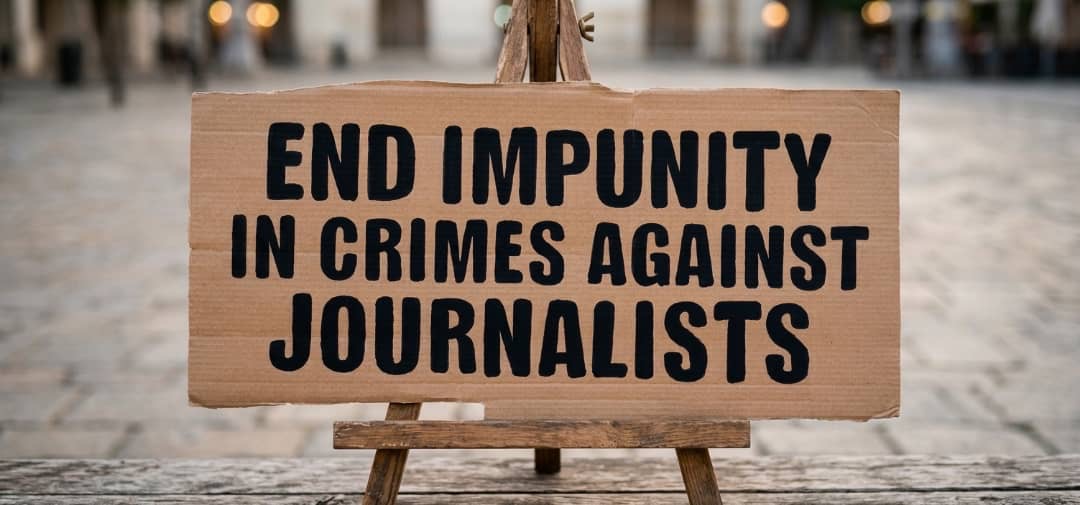
They expressed their concerns during interviews to mark the International Day to End Impunity for Crimes against Journalists (IDEICJ), observed annually on November 2.
Established by the United Nations General Assembly (UNGA) in 2013, the global observance highlights crimes committed against journalists and the urgent need to ensure that perpetrators are brought to justice.
Woyengiemi warned that intimidation could undermine independent journalism long before physical attacks occur, as threats and harassment create fear within newsrooms and influence editorial decisions.
He identified threatening telephone calls, warnings to presenters and assaults on reporters as tactics that could force journalists and editors to reconsider stories involving sensitive subjects such as corruption, insecurity and politics.
According to Woyengiemi, such intimidation encourages self-censorship, with media professionals becoming more concerned about the personal risks of publishing a story than its importance and relevance to the public.
He explained that threats could also expose presenters and reporters to pressure during live broadcasts, while interference from powerful individuals could compromise the editorial independence of media organisations.
Furthermore, Woyengiemi identified restricted access to dangerous locations, destruction or seizure of equipment, mental stress and the departure of experienced journalists as consequences of intimidation.
He called on government authorities to investigate attacks against journalists and prosecute offenders, insisting that perpetrators must face justice.
He also urged media organisations to strengthen protection for their workers through safety training, protective equipment, insurance, secure transportation and legal assistance.
Woyengiemi stressed that media organisations should document attacks and collaborate with professional associations to ensure that cases receive sustained attention until justice is achieved.
For Bassey, the safety of journalists is inseparable from press freedom and democratic development.
The UNICROSS lecturer argued that a functioning democracy depends on journalists being able to gather and publish information without fear or intimidation.
He described journalists as the fourth estate, responsible for monitoring those in positions of authority, exposing corruption, informing voters and giving citizens a voice.
Bassey warned that threats against media professionals encourage self-censorship and weaken the media’s watchdog role, leaving citizens with incomplete information and reducing public accountability.
He added that impunity encourages further attacks because perpetrators escape accountability, a situation he said undermines the rule of law, weakens public confidence in democratic institutions and restricts citizens’ right to information.
To reverse the situation, Bassey called for the investigation and prosecution of attacks against journalists, while urging security agencies to receive training on respecting media rights.
He also recommended that media organisations provide safety training, insurance, protective equipment and legal assistance to journalists.
Bassey further urged journalism institutions to incorporate safety education and digital security into their training programmes to prepare students for the risks associated with professional reporting.
For Iku, the dangers confronting journalists present a difficult reality for those preparing to enter the profession.
The final-year UNICROSS Mass Communication student said reports of journalists being attacked or killed had made him more conscious of the risks involved, particularly when reporters investigate sensitive issues or expose powerful individuals.
Iku admitted that such reports sometimes make him reconsider his career choice. However, he maintained that the incidents have not weakened his determination to practise journalism after graduation.
He said his passion for informing the public, telling stories and speaking up on issues that matter to society continues to sustain his interest in the profession despite the dangers.
Iku called on universities to provide students with practical training on handling dangerous situations while reporting.
He also urged media organisations to introduce adequate security measures, insurance and other forms of institutional support, particularly for journalists assigned to sensitive stories.
The concerns raised by Woyengiemi, Bassey and Iku reflect wider challenges documented in reports on attacks against journalists in Nigeria and other parts of the world.
Media Rights Agenda (MRA), in its 2025 Annual Report on Freedom of Expression in Nigeria, titled The Reign of Impunity, documented 86 incidents involving attacks against journalists, media organisations and citizens across 27 states and the Federal Capital Territory (FCT), adding that none of the documented cases resulted in a successful investigation or prosecution.
MRA also said its report recorded 38 cases of arrest and detention and 21 cases of assault and battery, among other violations as it noted that the figures point to a wider international problem.
Meanwhile, the UNESCO reported that 189 journalists were killed in violent attacks in 2024 and 2025, representing a 20 per cent increase compared with the preceding two-year period.
It further reported that 86 per cent of cases involving journalist killings since 2006 remain unresolved or abandoned.
The concerned organisations note that this year’s campaign theme: “Threats Evolve. Impunity Endures,” highlights the changing nature of threats against journalists and the continuing failure to bring perpetrators of crimes against media professionals to justice.
—

Share Your Story with us!
Advertise with us!
Publicity for a product, service, or event!
Contact: WhatsApp Only: +2348039560647
Email: jkmediapress@gmail.com