By Joke Kujenya
AN AGEING world population, continued exposure to cancer risk factors and persistent inequalities in prevention and treatment could drive a sharp increase in the disease burden over the next three decades, with annual cases projected to reach 34 million by 2050, the International Agency for Research on Cancer (IARC) said.
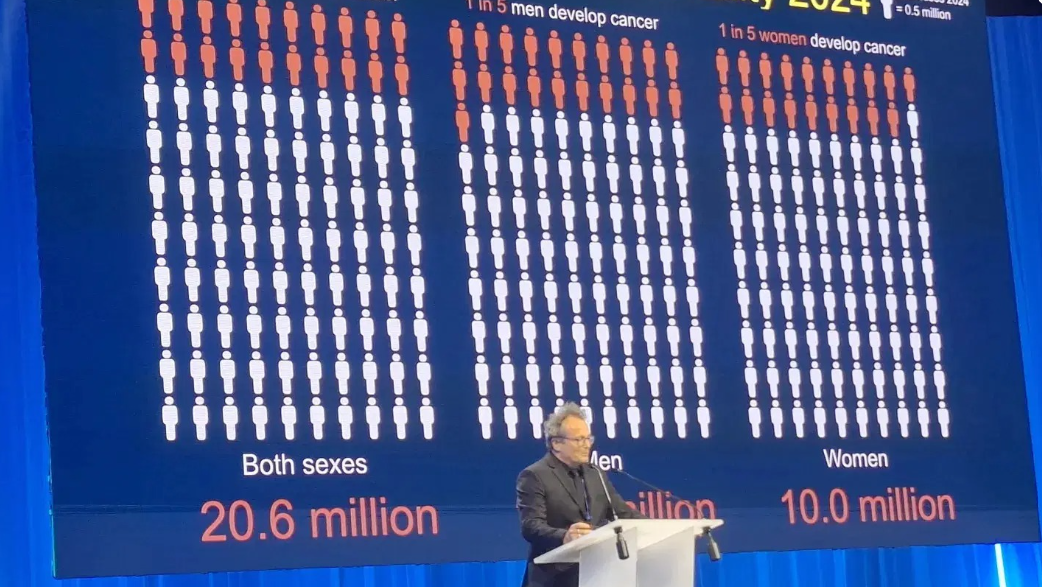
JKNewsMedia.com reports that the IARC said 20.6 million new cancer cases and 9.8 million cancer deaths were recorded worldwide in 2024, with the projected increase largely reflecting population growth and ageing, alongside continuing inequalities in prevention, diagnosis and treatment.
IARC’s latest Global Cancer Observatory (GLOBOCAN) estimates also project that annual cancer deaths could reach 17.5 million by 2050 if current trends continue.
The report says men accounted for 10.6 million of the new cases recorded in 2024, compared with 10 million among women, while men represented 56 per cent of cancer deaths and women 44 per cent.
Freddie Bray, Head of IARC’s Cancer Surveillance Branch, said the figures highlighted the disproportionate impact of cancer on men, with differences partly reflecting variations in cancer types and outcomes.
The agency said it also identified major geographical disparities in cancer incidence and mortality, linked to population ageing, exposure to risk factors, prevention measures and access to diagnosis and treatment.
It revealed that Asia accounted for more than half of global cancer cases and deaths in 2024, while Europe recorded a disproportionately high share of cases relative to its population. Cancer incidence rates varied substantially between countries, as did mortality rates.
Lung cancer also remained the world’s leading cancer in both incidence and mortality, while breast cancer was the most commonly diagnosed cancer among women and prostate cancer the most commonly diagnosed among men.
IARC then warned that continued exposure to preventable risk factors, including tobacco use, together with ageing populations and persistent inequalities in cancer control, could further increase the global burden.
Conclusively, the agency highlighted weaknesses in cancer surveillance, with many countries lacking reliable incidence and mortality data needed to assess their cancer burden, plan health services and allocate resources effectively.
Major Breakthroughs In Cancer Treatment
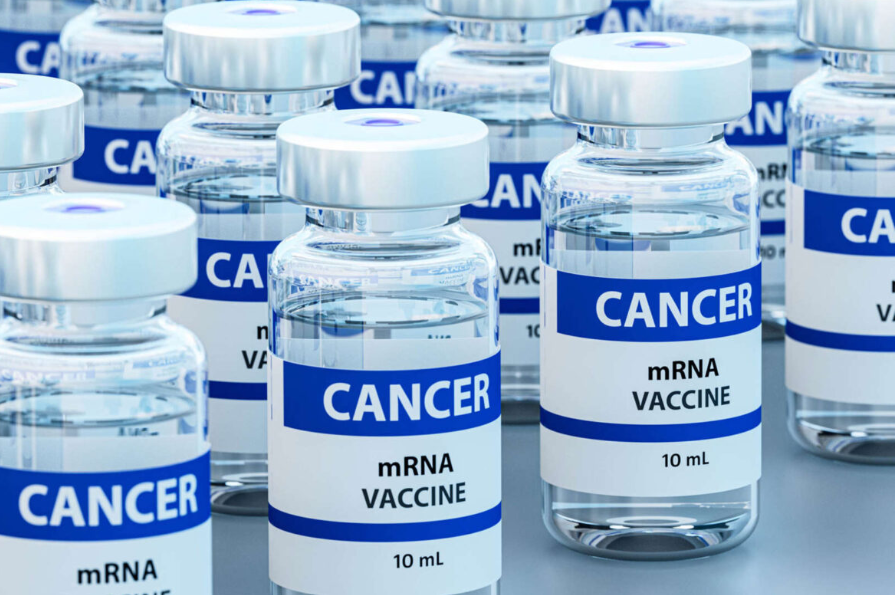
Against that backdrop, a major development in personalised cancer treatment has emerged from Moderna and Merck, whose experimental mRNA-based cancer vaccine has shown positive results in a large trial involving patients with high-risk melanoma.
The companies said on August 19 that their personalised vaccine, intismeran autogene, used in combination with Merck’s immunotherapy Keytruda, met the trial’s key objectives in patients whose melanoma had been surgically removed.
They noted that the Phase 3 trial involved 1,137 patients with high-risk stage IIB to IV melanoma where participants received Keytruda either alone or alongside up to nine doses of the personalised mRNA vaccine.
According to the companies, the combination significantly improved outcomes related to the recurrence and spread of melanoma compared with Keytruda alone, although overall survival data are still being assessed.
They also noted that unlike conventional vaccines designed to prevent infections, the treatment is being developed as an individualised cancer therapy.
It uses genetic sequencing of a patient’s tumour to identify mutations and create a personalised mRNA treatment intended to train the immune system to recognise and attack cancer cells.
The approach builds on the same broad mRNA technology that gained global prominence through COVID-19 vaccines, but applies it to mutations specific to individual tumours.
The latest results build on earlier studies in which the personalised vaccine, combined with Keytruda, improved recurrence-free and distant metastasis-free survival among patients with high-risk melanoma. Five-year follow-up data have continued to show sustained benefit.
The companies said they are also studying the treatment in other cancers, including non-small-cell lung cancer, bladder cancer and renal cell carcinoma, as researchers examine whether the personalised approach can be extended beyond melanoma.
They also noted that these development does not yet mean that cancer vaccines are ready to replace existing cancer treatments. Regulatory review, manufacturing at scale and longer-term evidence, including overall survival data, remain important hurdles before the therapy could become widely available.
To them, the contrasting developments underline the challenge facing global cancer control: the number of people developing and dying from cancer is projected to increase sharply, while advances in personalised medicine are beginning to produce new treatment options for some patients.
IARC said reducing the projected rise in cancer cases and deaths would require stronger action against preventable risk factors, improved early detection and broader access to effective cancer prevention and treatment worldwide.
—