By Joke Kujenya
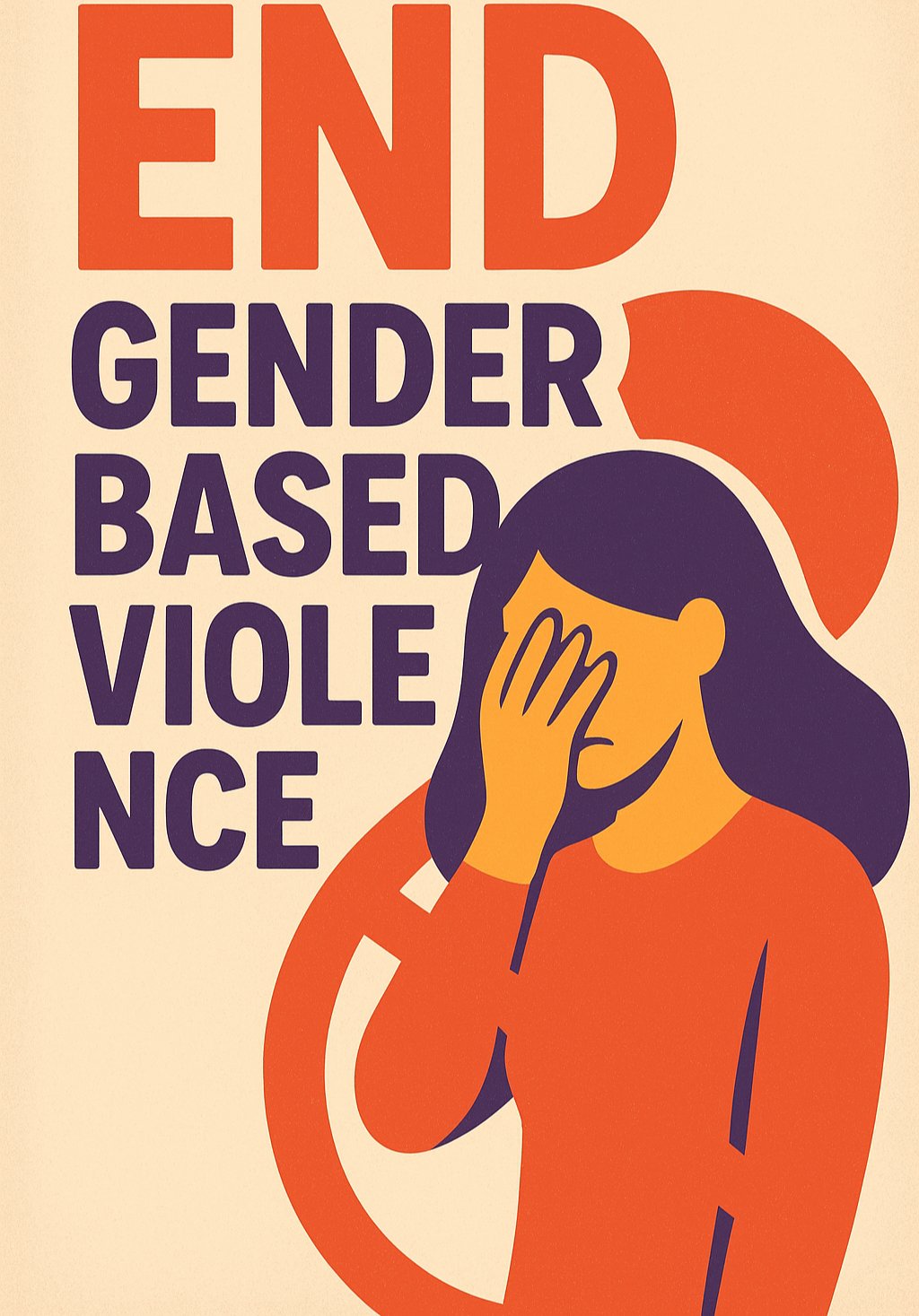
PERSISTENT VIOLENCE against women and girls continues to undermine human rights, equality and development, with speakers warning that global efforts remain far from meeting agreed targets at a session co-hosted by CeHDI, Women Deliver Conference 2026, IPPF, ARROW, WGNRR, APCAT Media and CNS.
At a SHE & Rights session held during the 16 Days of Activism against gender based violence and to mark International Human Rights Day and Universal Health Coverage Day (HRDUHCD), Dr Pam Rajput said violence against women and girls remains rooted in gender inequality and continues to block sustainable development.
Despite decades of action, she said the world remains far behind the goal of ending all forms of violence against women and girls.
Dr Rajput also told the session that more than 840million women have faced violence globally, while the number of women affected in conflict settings has doubled.
Over the past 12 months, she said 316million women experienced physical violence or sexual abuse by intimate partners, while 263 million faced violence by others.
More than 51,000 cases of femicide have been reported.
Dr Rajput, a noted feminist and gender justice leader and Emeritus Professor at Panjab University, both said violence also affects women in public life and the media.
She added that a survey showed 82 percent of women parliamentarians reported psychosocial violence, while 73 percent of women journalists faced online violence and 20 percent suffered offline attacks by anti gender groups.
She affirmed that addressing violence requires confronting structural inequalities, patriarchal norms, the normalisation of abuse, consumerist neoliberal development models, gender insensitivity within enforcement agencies such as police and judiciary, and under investment in gender equality.
She called for zero tolerance for violence against women in both policy and practice.
Also, Shobha Shukla noted that there has been no meaningful change in violence against women and girls since 2000.
Speaking as SHE & Rights coordinator and host, she said that over the past 26 years the annual decline in intimate partner and sexual violence stands at just 0.2 percent, which she described as unacceptable.
Shukla said that out of 193 countries, 165 have domestic violence laws, but only 104 have comprehensive legislative policies in place.
She said almost 48 percent of countries lack comprehensive frameworks to address domestic violence and that funding has declined since 2022, even where laws exist.
She said the statistic that one in three women worldwide has experienced violence understates the scale of the problem.
The session also examined links between violence and health.
Esther Asuquo said violence against women and girls exposes them to HIV and other infections.
She said violence increases the risk of forced sex, physical trauma, rape and intimate partner abuse, while also limiting the ability of women and girls to negotiate safer sex.
Albertina Nyatsi said ending violence is essential to ending AIDS and achieving gender equality by 2030.
Referring to the recent International Conference on AIDS and Sexually Transmitted Infections in Africa held in Ghana, she said violence and HIV are deeply intertwined.
She further noted that stigma and discrimination fuel abuse and create cycles of fear, power imbalance and lack of access to testing and treatment. Addressing this, she said, requires integrating violence services into HIV care and empowering women to negotiate safe practices.
Female genital mutilation or cutting was also highlighted.
Dr Huda Syyed said governments have committed to ending the practice by 2030 under Sustainable Development Goal five.
Citing a 2024 UNICEF report, she said more than 230 million girls and women worldwide have undergone the practice, including over 80 million in Asia in 2024, representing a 15 percent increase compared with eight years earlier.
Dr Syyed said development goals cannot be met when half the population is harmed, silenced or excluded adding that development justice demands policies that centre women’s safety, agency and bodily integrity.
The United Nations Population Fund (UNPF) states that the practice can never be safe and has no medical justification.
It violates rights to health, life, physical integrity and freedom from violence and discrimination, and breaches medical ethics when performed in clinical settings.
Dr Syyed said ending the practice is central to gender and development justice, bodily autonomy, public health and the rights of women and children.
She said patriarchal notions that surround women’s bodies with shame and secrecy must be dismantled.
The session also featured the launch of the All-in-Initiative to end gender-based violence with Alanna France saying the initiative aims to drive leadership, accountability and support effective existing solutions.
She said violence is entirely preventable and cited evidence from United Kingdom (UK)-funded programmes that achieved reductions of up to 50 percent within two to three years across 15 low-and-middle-income countries.
She added that global costs of violence against women are estimated at around 1.5 trillion United States (US) dollars annually.
An ESSENCE report marking 25 years of HIV and AIDS initiatives by Humana People to People India was also launched.
Lisbeth Aarup said the organisation has worked since 2001 with HIV affected communities to reduce stigma and address physical and mental violence.
Dr Sugata Mukhopadhyay said Humana addressed structural barriers such as stigma, discrimination, gender inequity and social exclusion.
Ramphool Sharma said sex workers face violence alongside criminalisation, economic abuse and limited access to justice.
Ravinder Kumar said homeless and migrant women face violence, infections and barriers to care, while Jahangeer Alam said ending stigma reduces HIV and tuberculosis risks.
Rounding up the sessions, period poverty was also raised as Angel Babirye noted that lack of menstrual hygiene materials forces girls to use unsafe alternatives and exposes them to infections, violence and school dropout.
She concluded that in Uganda, one in four girls leaves school after menstruation begins and called for comprehensive action to ensure dignity and safety.