By JKNewsMedia
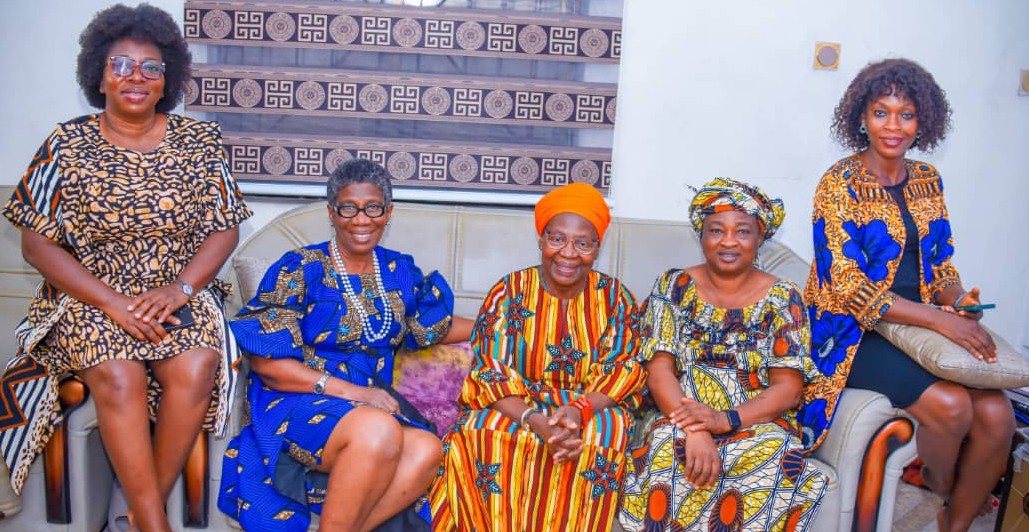
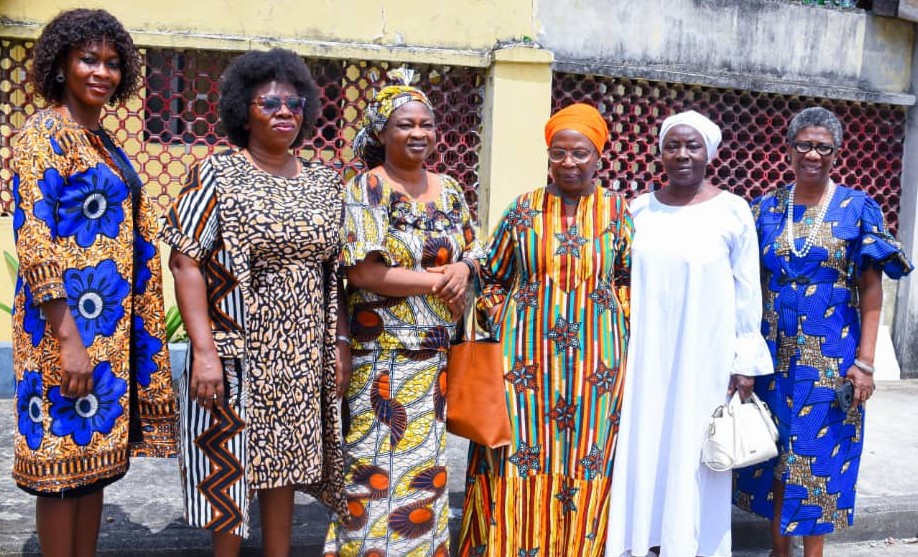
DRIVE FOR community-led development is set to grow across Nigeria as the internationally recognised Training for Transformation (TFT) model deepens its presence with the visit of Ms. Ntombi Olita Nyati, the third-generation Director of TFT to Nigeria last week.
Rooted in the educational philosophy of Brazilian thinker Paulo Freire, the programme is noted to have influenced movements for justice and sustainable development in more than 63 countries, as revealed during an organised Media Meet with a few selected journalists.
Nyati said the initiative began in South Africa through the work of Anne Hope and Sally Timmel, who both developed the methodology after engaging with Freire’s approach to education for liberation.
Since then, TFT has supported grassroots leaders and community groups worldwide with skills to confront poverty, inequality, and exclusion while promoting critical thinking, self-awareness, and collective action, she also said.
At the Media Meet last week in Lagos, Nigeria, Nyati told journalists that the model took its firm root during the COVID-19 pandemic, when travel restrictions limited participation in international sessions.
She said local facilitators began organising national training programmes, and since then, at least five major sessions have been conducted in different states.
According to Mrs. Olutosin Oladosu, Team Lead of TFT Nigeria, “Just last week, we held a two-day training in Owo with nearly 100 participants.
“It was a powerful reminder of how hungry Nigerians are for transformation, and how far TFT has come in strengthening its reach and impact in the country,” Oladosu also adds.
One of the most significant expressions of TFT’s influence in Nigeria is Sister’s City in Owo, Ondo State.
Established by Mrs. Oladosu, the community covers nearly 1,000 plots of land and houses 28 residential units for women and girls, it was disclosed.
She added that residents had access free food, water, and round-the-clock solar-powered electricity while undergoing skills training in catering, fashion design, carpentry, hairdressing, and weaving.
The settlement also hosts a National Agency and Foods Administration Commission (NAFDAC)-certified food processing factory and a training centre modelled after the South Africa Kleinmond, she noted.
Speaking on the purpose of the model, Nyati further emphasised: “Training for Transformation is about conscientisation.
In practice, this means creating awareness that within every person lies power, energy, compassion, and divinity, she affirmed.
The question now is: how do we use these to live fully human lives, and how do we share them to improve our communities,” Nyati queried.
She then quickly added that the programme equips participants with the tools to challenge silence, ask questions, and shape their realities, in answering her own question.
Also, Pastor Mrs. Elizabeth Bernard Sowho, a Nigerian facilitator, highlighted the holistic scope of the training.
“TFT begins with the self and then moves outward to family, organisations, communities, and the environment.
“It is a model that brings out the humanity in people and emphasises that sustainable development starts with personal transformation,” Sowho said.
Another facilitator, Ms. Eseoghene Ajuyah, described the initiative as people-centred.
“We call TFT a movement because it is about building people, creating awareness, and helping individuals find their voice and power.
“Development is not merely about infrastructure; it is about people’s capacity to participate meaningfully in shaping their own future,” Ajuyah explained to the journalists.
According to her, the Nigerian chapter has already trained close to 100 participants in the past week alone, focusing on leadership, governance, insecurity, gender, and climate change.
Looking ahead, the Nigerian chapter aims to build a strong core of leaders equipped to drive grassroots change, Ajuyah stressed.
“Its vision is to replicate the successes of South Africa, where TFT contributed to the liberation struggle, and adapt the methodology to the country’s present realities, said Ajuyah.
She also reiterated that with Ms Nyati’s visit, the Nigerian movement is preparing for deeper collaboration, broader training engagements, and long-term strategies to tackle governance challenges, inequality, and social justice from the ground up.
Ms. Nyati’s current work involves mentoring regional teams and coaching facilitators across different continents, Ajuyah informed.
She said Nyati continues to support national programmes, including the Nigerian chapter, ensuring the model delivers practical capacity-building for communities.
Ajuyah concluded on the note that the expansion of TFT in Nigeria, is actually setting the foundation for stronger grassroots leadership and community-led transformation.