By Jemimah Wellington, JKNewsMedia Reporter
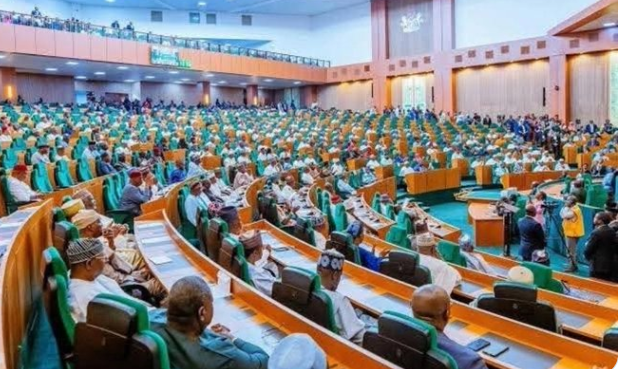
A PROPOSAL to enforce compulsory voting for all eligible Nigerians in national and state elections has passed second reading in the House of Representatives, marking a bold attempt to address voter apathy and strengthen democratic participation across the country.
The bill, jointly sponsored by Speaker Tajudeen Abbas and Daniel Asama Ago, seeks to amend the Electoral Act 2002, making it a legal obligation for citizens of voting age to cast their ballots. Advocates of the bill believe it could diminish the influence of vote buying and deepen civic responsibility.
Ago, representing Bassa/Jos North under the Labour Party, argued that mandatory voting has worked in other countries such as Australia and could transform electoral culture in Nigeria.
Deputy Speaker Benjamin Kalu supported the proposal, calling it a progressive step. However, some lawmakers raised concerns, citing the public’s eroding confidence in the credibility of Nigeria’s voting process and the integrity of the national voters register.
In a separate legislative development, a bill seeking to extend maternity leave for Nigerian women from three to six months was stepped down after facing strong opposition, including from female lawmakers.
The bill, sponsored by Hon Chike Okafor of Okigwe South (Imo/APC), triggered debate over its potential impact on women’s employability. Critics argued that the extended leave might discourage employers from hiring women, thus inadvertently undermining gender equity in the workplace.
The House also addressed the ongoing crisis surrounding the 2025 Unified Tertiary Matriculation Examination (UTME), which has been marred by technical failures. Following the Joint Admissions and Matriculation Board’s (JAMB) admission of errors affecting candidates’ scores, the House resolved to establish at least one computer-based testing (CBT) centre in each of Nigeria’s 774 local government areas.
Lawmakers said the resolution aimed to ensure broader access and forestall a repeat of this year’s technical hitches. JAMB revealed that 379,997 candidates would retake the exam after a glitch disrupted testing in 157 of the 887 centres.
The announcement, made by JAMB Registrar Ishaq Oloyede during an emotional press briefing in Abuja, followed widespread outrage from students and parents over the poor conduct of the exam and alleged inconsistencies in questions and answers.
The Senate had previously expressed concern over the lack of CBT centres in many areas and announced plans to include funding for such infrastructure in the 2026 national budget. Senator Mohammed Dandutse, Chair of the Senate Committee on Tertiary Institutions and TETFUND, stressed the need for equitable ICT access, citing his own district in Katsina South, where only two of eleven councils have CBT facilities.
As Parliament navigates sweeping legislative reforms, from mandatory voting to examination access and maternity rights, the debate underscores the country’s struggle to balance democratic integrity, social equity, and technological infrastructure.