By Joke Kujenya
IRANIAN NUCLEAR facilities sustained significant damage in weekend airstrikes carried out by US B-2 bombers, Iran’s Foreign Ministry Spokesman Esmail Baghaei has confirmed.
Speaking to Al Jazeera, Baghaei declined to provide detailed assessments but acknowledged that the impact was “badly damaging.”
“Our nuclear installations have been badly damaged, that’s for sure,” he stated, referring to the bunker-busting munitions deployed by American forces.
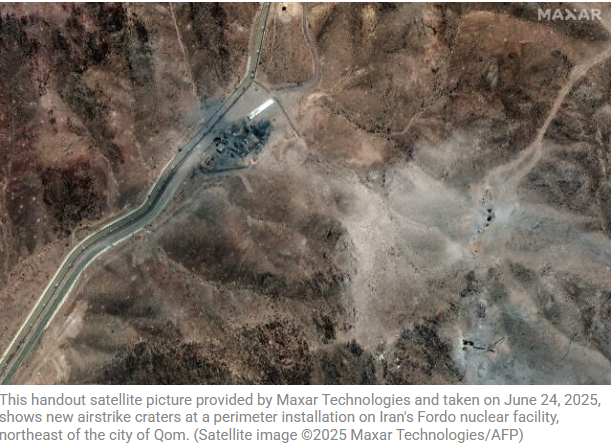
Meanwhile, assessments of the Fordo uranium enrichment facility remain inconclusive.
Two Israeli officials told ABC News the extent of damage is still under evaluation and that initial findings at the site were “not satisfactory.”
One source described the Fordo outcome as “really not good,” raising further doubts about the effectiveness of the strikes.
However, uncertainty still persists over the quantity of enriched uranium relocated prior to the attacks or the operational status of Iran’s remaining centrifuges.
One official said definitive assessments could take months, if they emerge at all.
Trump Defends Iran Strike As ‘Total Obliteration’
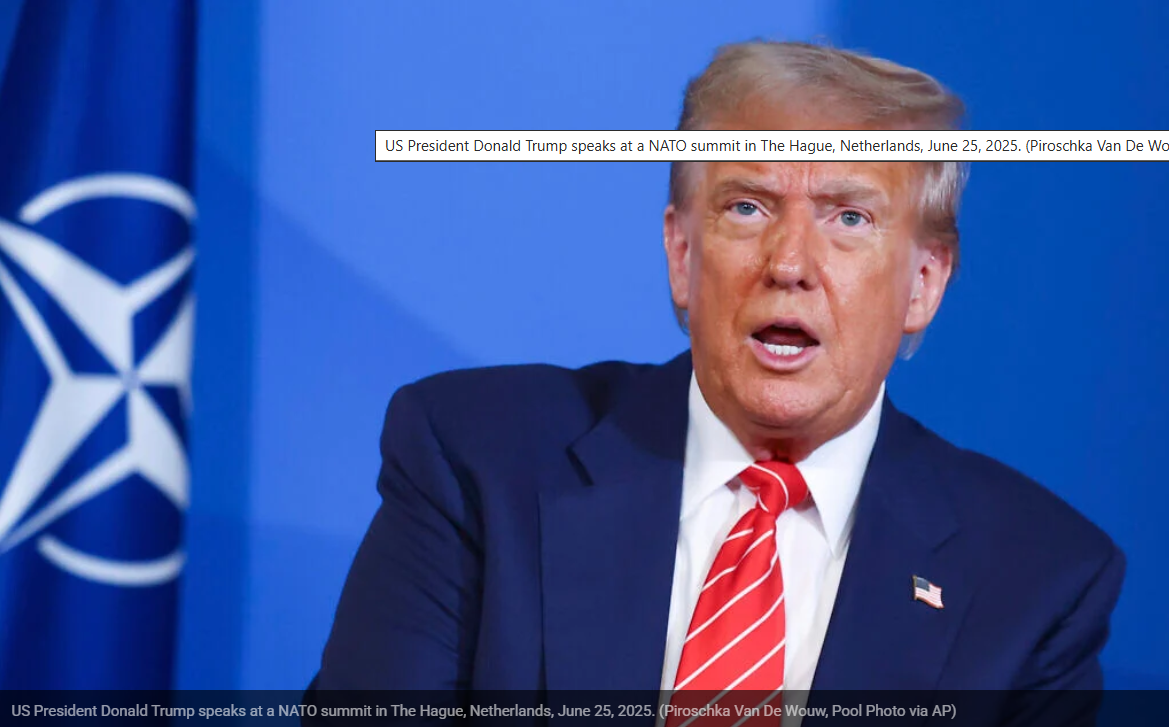
MEANWHILE, PRESIDENT Donald Trump has affirmed that Israeli agents entered Fordo after the strikes and reported the site had been “obliterated.”
He also affirmed that the Israel-Iran ceasefire deal was successful after days of escalating tensions.
Speaking from the Netherlands ahead of a North Atlantic Treaty Organization (NATO) summit, Trump maintained that the military strikes ordered during his presidency resulted in “total obliteration” of Iran’s nuclear capabilities.
He dismissed media reports contradicting his position, particularly what he termed the Cable News Network (CNN)’s exclusive, which first cited the internal findings of the preliminary US intelligence.
Despite his repeated assertions, Trump admitted that the intelligence available was “inconclusive” and “preliminary,” though he argued the strikes had long-term strategic value and significantly derailed Iran’s nuclear development.
Shirky afterwards, Iran responded sharply to the revelations, threatening to withdraw from a major global nuclear non-proliferation treaty.
Latest tensions also surfaced as Tehran accuses both the US and Israel of targeting its nuclear infrastructure in violation of international norms.
Trump is expected to further address the matter at a NATO news conference in The Hague within hours, as questions mount over the real impact of the strikes and the geopolitical fallout that may follow.
Trump Fumes As Israel Defies Ceasefire Deal, Orders Netanyahu To Call Off Airstrikes
FURY OVER the timing and scale of military actions by both Israel and Iran has dominated President Donald Trump’s latest remarks, as the ceasefire announced overnight teetered on collapse just hours after it was meant to take effect.
At the NATO summit in the Netherlands, Trump sharply criticised Israel’s decision to launch fresh airstrikes shortly after the agreement was reached, calling the offensive “unacceptable” and warning Tel Aviv against escalating tensions.
He insisted that one stray Iranian rocket, which reportedly landed off-course after the truce deadline, did not justify Israel’s immediate retaliation.
“I’m not happy that Israel’s going out now,” Trump said. “These guys gotta calm down. Ridiculous… I don’t like the fact that Israel unloaded right after we made the deal.”
Israeli forces reportedly dropped over 100 munitions on dozens of Iranian military targets overnight, prompting a strong response from Iran hours before the agreed ceasefire start time.
Iran’s earlier barrage had killed four people in Beersheba, escalating tensions even as diplomats were finalising the terms of a fragile truce brokered by the US and Qatar.
Trump, who announced the ceasefire as a direct consequence of US strikes on Iran’s nuclear sites, claimed that the devastation dealt to Iran’s infrastructure had forced Tehran to the table.
He also suggested that the same military show of force could help unlock a resolution to Israel’s prolonged war against Hamas in Gaza.
Describing the assault on Iranian nuclear facilities as comparable to the bombings of Hiroshima and Nagasaki, Trump maintained that the campaign had “ended the war” with Iran’s nuclear ambitions. “I don’t think they’ll ever do it again,” he said. “They just went through hell.”
Meanwhile, Trump repeatedly expressed frustration with Israel, claiming the country undermined diplomatic progress by striking prematurely.
“They didn’t have to unload… I’m really unhappy if Israel is going out this morning because of one rocket that didn’t land,” he added.
In a series of posts on Truth Social, Trump directed Israel to halt its actions, writing: “Do not drop those bombs. If you do it is a major violation. Bring your pilots home, now!”
He added that Israeli jets should “do a friendly ‘Plane Wave’ to Iran” instead of escalating hostilities.
Iran’s parliament has since voted to suspend cooperation with the UN’s nuclear watchdog, the International Atomic Energy Agency (IAEA), a move that will need to be ratified by the Supreme National Security Council. Iran’s Foreign Minister Abbas Araghchi also warned that the Non-Proliferation Treaty (NPT) may no longer protect the country, hinting at a possible withdrawal.
Israel Labels Iran’s Central Bank A Terror Entity As NATO Backs Trump’s Strike On Nuclear Sites
IN ANOTHER significant development, Israel’s Defence Minister, Israel Katz, signed an order designating Iran’s Central Bank, two other banks, and a state-linked energy firm as terrorist entities.
The move targets what Tel Aviv described as the “terror-financing system” of the Iranian regime.
Despite mounting uncertainty over the ceasefire’s durability, NATO Secretary General Mark Rutte publicly backed Trump’s decision to strike Iranian facilities, calling the operation “decisive” and “extraordinary.”
As the fallout continues, Trump has not ruled out further military action should Iran attempt to rebuild its nuclear programme. “It’s gone for years… very tough to rebuild, because the whole thing has collapsed,” he said.