By Jemimah Wellington, JKNewsMedia Reporter
RISING PRESSURE over technical errors in the 2025 Unified Tertiary Matriculation Examination (UTME) nearly led to the resignation of the Registrar of the Joint Admissions and Matriculation Board (JAMB), who revealed he was deeply troubled by the glitches that disrupted exams in parts of Lagos and the South-East.
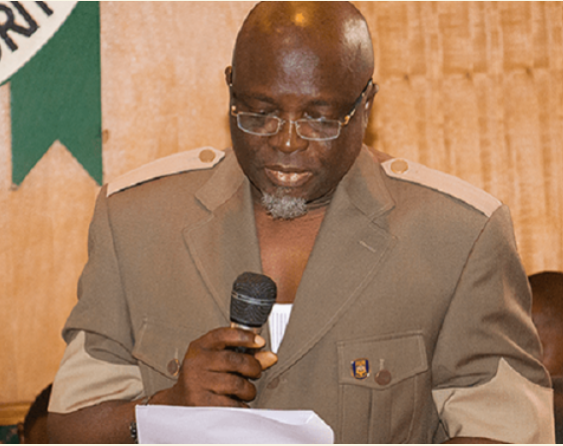
The disclosure came during a strategic meeting in Abuja with chief external examiners, state technical advisers, and civil society stakeholders.
The Registrar, Professor Ishaq Oloyede, admitted that his initial response to the crisis was to step aside, but was urged to remain in office by respected voices who warned that students might feel abandoned at a critical moment.
He described the decision to swiftly reschedule the exams for affected candidates as a necessary step dictated by the tight academic calendar.
“Those questioning the urgency clearly lack knowledge of how the education system operates,” Oloyede said, pointing out that UTME is just the first in a sequence of major examinations, including WAEC, NECO, NABTEB, and various military and paramilitary admissions.
The Board has now approved a special mop-up UTME for candidates who missed both the original and rescheduled sittings.
Oloyede emphasised that the move is standard practice in universities and reaffirmed JAMB’s commitment to ensuring that no candidate is unfairly excluded due to circumstances beyond their control.
Accusations of ethnic bias and conspiracy were also addressed. Oloyede firmly denied any deliberate sabotage or regional targeting, dismissing such narratives as misleading.
“It does not matter whether the persons involved are Igbo or not. What matters is they are diligent workers who made a mistake. I’ve accepted responsibility on behalf of the Board,” he said.
The Registrar reiterated that JAMB’s staffing and processes are based strictly on competence and transparency, not tribal affiliations.
He condemned efforts to politicise the issue, stating that education must not become a battleground for misinformation or ethnic sentiment.
Oloyede also confirmed that technical failures affected results for 379,997 candidates across 157 centres, caused by server errors linked to a technical service provider.
The fault, which occurred during the first three days of the UTME, was only discovered after the results were released.
He noted that a review was conducted immediately and affected students were invited to retake the test from 16 May.
While over 95 per cent of eligible candidates participated in the rescheduled exams, about 5.6 per cent remained untested. The mop-up exercise is being prepared to accommodate them.
The tragedy of a 19-year-old candidate, Opesusi Timilehin, who reportedly took her life after receiving her UTME results, cast a further shadow over the events.
Oloyede described her death as a painful blow to the system, underscoring the emotional cost of educational failure.
He also criticised the circulation of false reports of student deaths by individuals seeking financial aid under false pretences.
The House of Representatives has since resolved to investigate the matter, while South-East lawmakers have called for Oloyede’s resignation and a total cancellation of the 2025 UTME.
The Registrar rejected those calls, saying the Board’s integrity remains intact and insisting that leadership must not be discarded in the face of adversity.
Stakeholders present at the Abuja meeting, including the Chairman of the Chief External Examiners’ group, Professor Vincent Tenebe, commended Oloyede’s transparency and leadership, calling on all parties to focus on building the education sector rather than tearing it down.
JAMB confirmed that results from the rescheduled UTME would be released through an official statement.
The Registrar ended the session by thanking partners and reaffirming the board’s commitment to a fair, credible, and inclusive examination process.