By Joke Kujenya
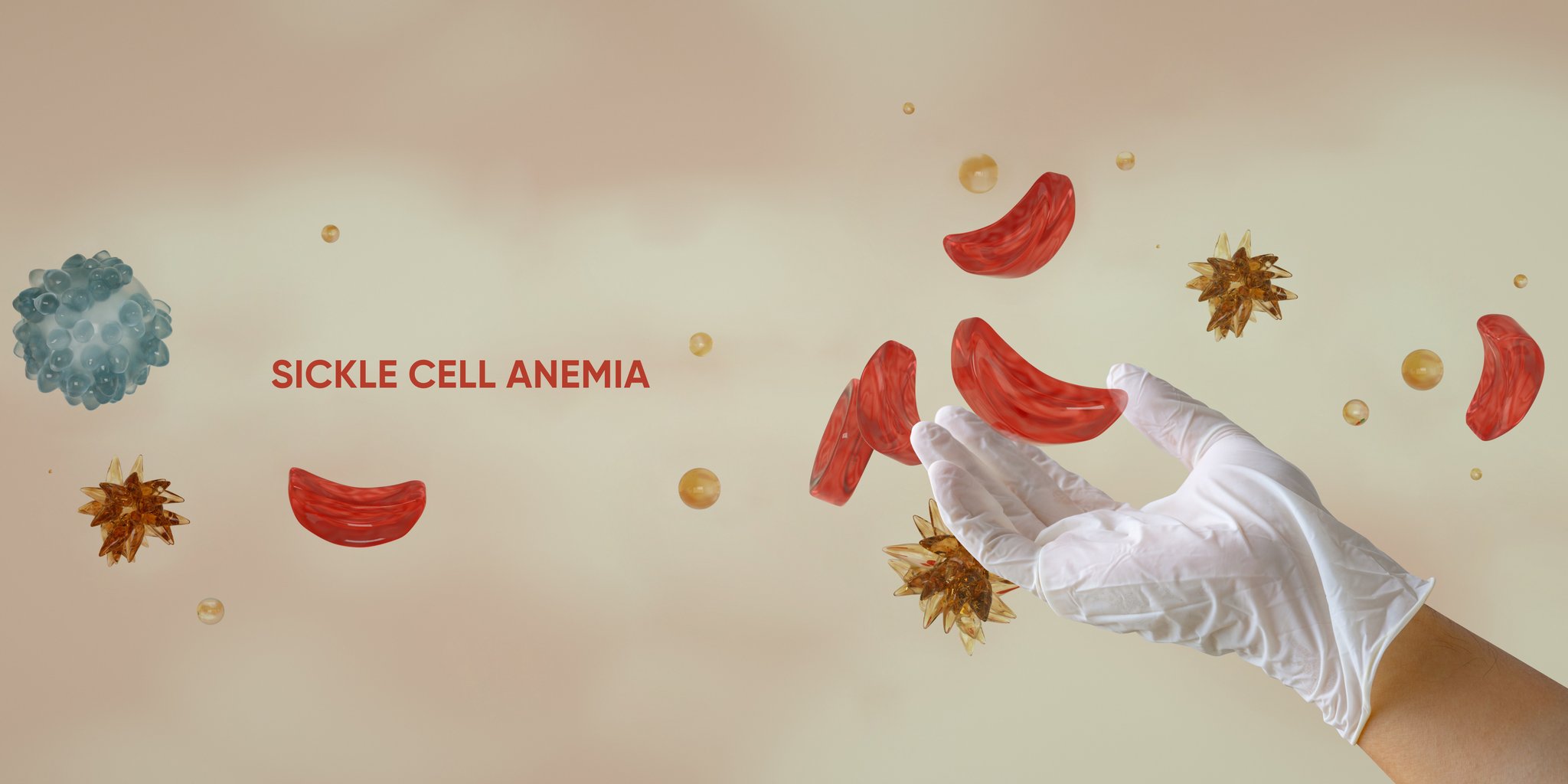
NIGERIA CARRIES the highest global burden of sickle cell disease among children, with more than 1.5 million under the age of 15 living with the condition, a new international study published in The Lancet Child and Adolescent Health has revealed.
JKNewsMedia.com reports that the study, led by Professor of Public Health at Teesside University and Director of the International Society of Global Health, Davies Adeloye, found that Nigeria accounts for the largest share of cases, far exceeding other high burden countries such as the Democratic Republic of the Congo and Ethiopia.
Researchers analysed data from 40 studies across 22 African countries to produce what they described as the most comprehensive country level estimates of childhood sickle cell disease to date.
Findings showed that nearly nine million children across sub-Saharan Africa were living with sickle cell disease in 2023. This included about 1.17 million infants and 2.75 million children under five who face the highest risk of early death without treatment.
The study highlighted the scale of the challenge in Nigeria alongside the opportunity for the country to lead efforts in addressing one of the most preventable causes of childhood illness and death.
Adeloye explained that sickle cell disease is an inherited blood disorder present at birth. He noted that early diagnosis and access to simple low-cost interventions such as newborn screening, penicillin prophylaxis, routine vaccinations, malaria prevention and hydroxyurea can prevent most complications and deaths.
He stated that access to these essential services in Nigeria remains limited, with many children diagnosed only after severe and avoidable complications, while others are never diagnosed at all, contributing to high levels of preventable illness and early childhood deaths.
Adeloye said hundreds of thousands of young lives could be saved and avoidable deaths significantly reduced if Nigeria prioritises sickle cell disease within its national health agenda and integrates care into routine maternal and child health services.
“Nigeria now stands at the centre of the global sickle cell crisis. With over 1.5 million children affected, the scale is enormous, but so is the opportunity to act. We already know what works. Newborn screening and early treatment are effective, affordable, and can be delivered through existing health systems,” he said.
Researchers emphasised that strengthening Nigeria’s health system response is critical, particularly through expanding newborn screening programmes, improving access to essential medicines and integrating sickle cell care into primary healthcare services.
JKNewsMedia.com also reports that the study called for urgent and coordinated action across government, health institutions and development partners, including expansion of newborn and early childhood screening programmes, integration of care into primary healthcare services and improved access to essential medicines and vaccines.
It also called for increased domestic investment alongside international support, as well as strengthening national data and surveillance systems.
The study also concluded that even modest improvements in early life screening and treatment in high burden countries such as Nigeria could transform child survival and significantly reduce preventable deaths.
—
Do you have a news tip for JKNewsMedia.com? Please copy and email us at jkmediapress@gmail.com.