By Joke Kujenya
FOR YEARS, 17-year-old Amina Yesufu thought the crippling pain that folded her in half every month was simply part of being a girl.
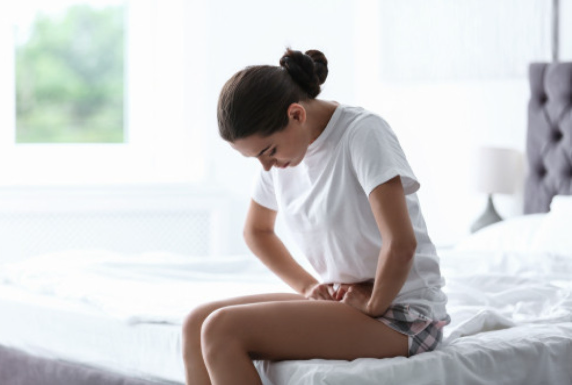
When her period arrived, she missed classes, avoided friends and spent hours curled up in bed, clutching her stomach, she said while narrating her monthly experience to JKNewsMedia.com.
Adults around her also told her the same thing many girls hear across the world: “It’s normal. You’ll be fine.”
What nobody told her was that severe menstrual pain could be a sign of an underlying health condition, she recounted with fear written all over her face.
Amina’s story is not unique. It echoes in our homes, with our daughters and granddaughters, in classrooms, workplaces and across continents where millions of women and girls endure painful periods, heavy bleeding, stigma and silence while believing it is something they must simply live with.
Yet, health experts at the World Health Organisation (WHO) say serious menstrual problems deserve attention, care and treatment, while admitting that menstruation is a natural biological process, not a source of shame.
A Universal Experience, But Not An Equal One
Every month, the WHO notes that an estimated 2.1 billion women and adolescent girls around the world menstruate.
The organ described menstrual cycle as a natural process regulated by hormones which for most females, lasts between 21 and 35 days.
When pregnancy does not occur, the lining of the uterus sheds, resulting in menstrual bleeding.
Despite being experienced by roughly half of the world’s population at some point in life, menstruation remains surrounded by myths, misinformation and stigma in many communities.
For some, a period is little more than a routine inconvenience. For others, it can become a recurring health challenge that affects education, work, relationships and mental well-being, the WHO experts say.
Behind closed doors however, they add that many girls still learn to hide menstrual products in their bags, whisper about periods and suffer symptoms in silence.
But the consequences can be profound, they cautioned.
When Pain Becomes More Than Discomfort
Health experts estimate that more than two out of every three women and girls experience menstrual pain, adding that for many, the discomfort can be managed with pain medication, heat therapy or rest.
But for others, the pain is severe enough to disrupt daily life.
The doctors then warned that unusually painful periods, especially when accompanied by heavy bleeding, irregular cycles or persistent symptoms outside menstruation, may indicate underlying conditions such as endometriosis, adenomyosis, uterine fibroids, bleeding disorders, Polycystic Ovary Syndrome (PCOS), Premenstrual Dysphoric Disorder (PMDD) or Premature Ovarian Insufficiency (POI).
Yet countless women continue to endure symptoms without seeking help.
In many societies, discussions about menstruation remain uncomfortable, leaving girls and women uncertain about what is normal and what may require medical attention. Sadly, the result is often delayed diagnosis, prolonged suffering and a reduced quality of life.
The Hidden Burden Of Heavy Bleeding
Another largely overlooked challenge is heavy menstrual bleeding.
A 2023 study conducted across 10 cities in South Asia and sub-Saharan Africa found that nearly half of menstruating women experienced heavy menstrual bleeding.
It also reveals that heavy periods can significantly increase the risk of iron deficiency and anaemia, conditions that can cause fatigue, weakness, dizziness and reduced productivity.
For a schoolgirl trying to concentrate in class or a market trader working long hours, the effects can be debilitating.
In the study, many women report feeling constantly exhausted without realising their menstrual bleeding may be contributing to the problem.
Health professionals say recognising these symptoms early can prevent long-term health complications for the women affected.
More Than A Physical issue
Menstruation is often discussed only in terms of bleeding and pain, but its effects extend far beyond the body, health experts reveal.
Some women experience anxiety, sadness, irritability or mood changes before or during their periods.
For many, these changes are manageable while for others, they can become severe enough to interfere with work, education and personal relationships.
Mental health experts increasingly recognise the strong connection between hormonal changes and emotional well-being throughout the menstrual cycle, adding that the challenge is that many people still hesitate to discuss either menstruation or mental health openly, creating a double layer of silence.
The Education Gap
Perhaps one of the most troubling realities is how many young people begin menstruating without understanding what is happening to their bodies, the WHO study also reveals.
Emerging national data indicate that only about 39 percent of schools provide menstrual health education which means millions of girls worldwide experience their first period without adequate preparation.
For some, the first sight of menstrual blood triggers fear and confusion while others rely on family myths passed down through generations.
WHO experts argue that menstrual health education should begin before a child’s first period and should include practical guidance on menstrual hygiene, symptom recognition and when to seek medical care.
Also, accurate education can also help dismantle harmful stereotypes that portray menstruation as dirty, impure or shameful.
The Reality Of Menstrual Poverty
While education is critical, knowledge alone does not solve the problem, the experts argue. They insist that access remains a major challenge.
According to global estimates based on water, sanitation and hygiene data collected between 2000 and 2019, around 500 million people who menstruate lack access to adequate menstrual products, facilities and services.
For many families living in poverty, sanitary pads, tampons or menstrual cups remain unaffordable. As a result, some people resort to using cloth scraps, paper, leaves or other improvised materials for several years.
In many communities, access to clean water, private toilets and safe disposal facilities is equally limited. The absence of these basic necessities can grossly affect school attendance, workplace participation and overall dignity.
For girls in humanitarian settings, conflict zones and displacement camps, the challenges are often even greater.
The Weight Of Stigma
Beyond the physical and economic barriers lies an invisible obstacle: stigma. Across cultures, menstruation is frequently associated with secrecy.
Girls are told not to talk about it while older women are encouraged to conceal it.
The message, whether spoken or implied, is often the same: periods should remain hidden.
However, such attitudes can have lasting effects.
Researchers said they have found what linked menstrual stigma to reduced educational opportunities, lower participation in social activities and diminished confidence.
When society treats menstruation as something embarrassing, many women feel compelled to endure pain quietly rather than seek help, they added.
This culture of silence can prevent serious health conditions from being diagnosed and treated early.
Why Listening Matters
Health advocates say one of the most important steps toward improving menstrual health is simply listening.
When a young woman says her periods are unbearably painful, she should be believed by those around to help her.
When heavy bleeding interferes with daily life, it should not be dismissed.
When a girl asks questions about menstruation, she deserves accurate answers.
Menstrual health is not only about hygiene products or reproductive health services. It is also more about dignity, education, equality and access to healthcare.
Every woman and girl deserves the right to understand her body, manage her period safely and receive care when something feels wrong.
Breaking The Silence
The conversation around menstruation is slowly changing. WHO notes that across schools, healthcare systems and advocacy groups, efforts are growing to challenge myths, expand menstrual education and improve access to menstrual products and services.
But significant gaps remain, they agency warns.
WHO say that the statistics tell a sobering story: billions menstruate, hundreds of millions lack adequate resources, and many continue to suffer in silence.
Sadly, behind those numbers are real people consisting of students missing lessons, workers struggling through pain, mothers balancing family responsibilities while managing untreated conditions, and girls wondering whether what they are experiencing is normal.
Periods Are Natural
Pain may be common, but severe pain should never be ignored, WHO alerts.
The global health body also informs that shame is learned, not inherent. As such, silence should never stand between a woman and the care she needs.
The challenge for societies everywhere is not merely to acknowledge menstruation, but to ensure that every person who menstruates can do so safely, comfortably and with dignity, the WHO advocates.
Key Signs Females Should Seek Medical Advice
Health experts recommend consulting a healthcare professional if your periods are:
- Extremely painful
- Exceptionally heavy
- Irregular or absent
- Causing severe mood changes
- Interfering with school, work or daily activities
- Accompanied by symptoms that significantly reduce quality of life
—