By Jemimah Wellington, JKNewsMedia Correspondent
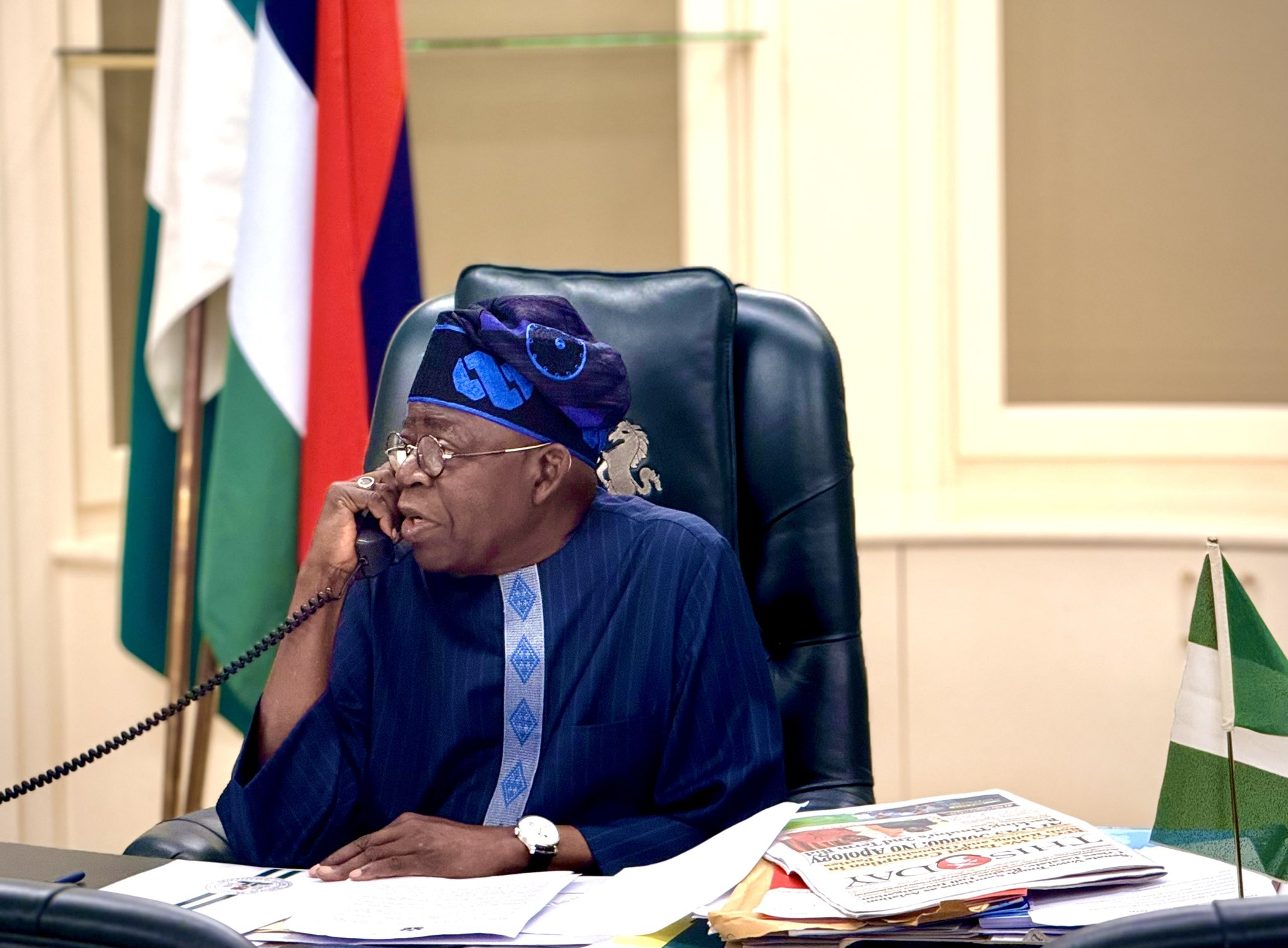
THE PRESIDENCY has reiterated President Bola Tinubu’s commitment to advancing Nigeria’s creative industry through consistent policy support, expanded investment, and a business-friendly environment.
Addressing participants at the inaugural Creative Powerhouse Summit (QED-NG) at Radisson Blu, Ikeja GRA, Lagos, Senior Special Assistant to the President on Media and Publicity, Temitope Ajayi, commended the sector’s achievements over the past decade in promoting Nigeria’s cultural heritage and enhancing the nation’s position as a global creative hub.
The summit, held under the theme “Financing as a Catalyst for a Thriving Creative Economy,” gathered stakeholders from film, music, fashion, arts, and technology to discuss sustainable funding strategies and strengthen collaboration between industry players and investors.
Ajayi stated that President Tinubu had underscored his administration’s commitment by establishing a dedicated ministry for the creative sector.
He added that the government would maintain its support through targeted policies designed to enable the sector to achieve substantial growth.
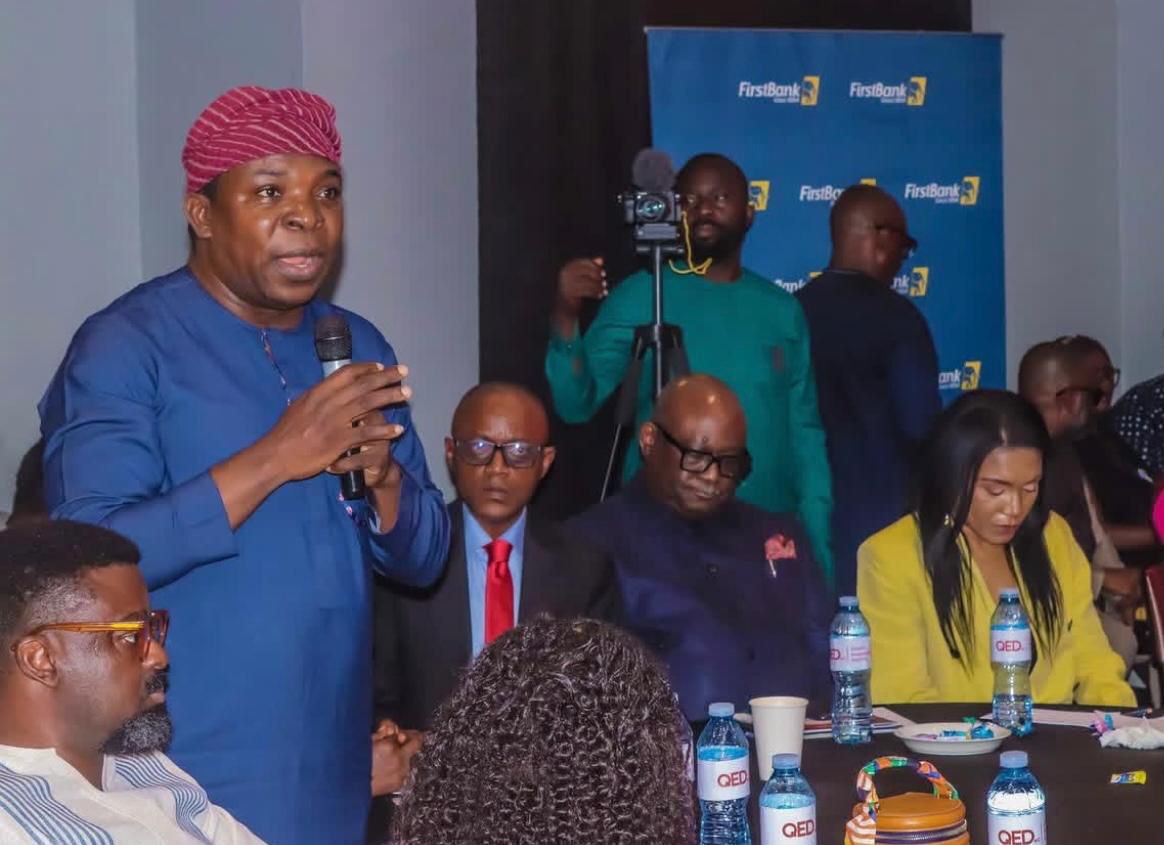
He urged industry practitioners to pursue partnerships and engage with investors capable of transforming ideas into commercially viable ventures.
“The graveyard is full of ideas that died with their creators, never seeing the light of day,” Ajayi cautioned.
“Without testing market viability and scalability, you cannot be sure your idea will change the world. It’s better to own 10% of something than 100% of nothing.”
Summit convener, Olumide Iyanda explained that the event aimed to connect creative entrepreneurs with financiers and policymakers to realise the sector’s potential.
“The creative industry is one of Nigeria’s strongest export assets,” Iyanda said. “Our goal is to bridge the funding gap and create the right environment for local talent to compete globally.”
Ajayi commended the organisers for encouraging dialogue between creative professionals and investors, noting that with a combination of supportive government policy, private capital, and collaborative innovation, the sector would continue to create jobs, boost Nigeria’s cultural influence, and reinforce the country’s position as Africa’s cultural capital.