By Favour Gold, JKNewsMedia Intern
INSIDE TWO of Nigeria’s sprawling Internally Displaced Persons (IDP) camps, where survival often overshadows comfort, dignity is being quietly restored—one sanitary pad at a time.
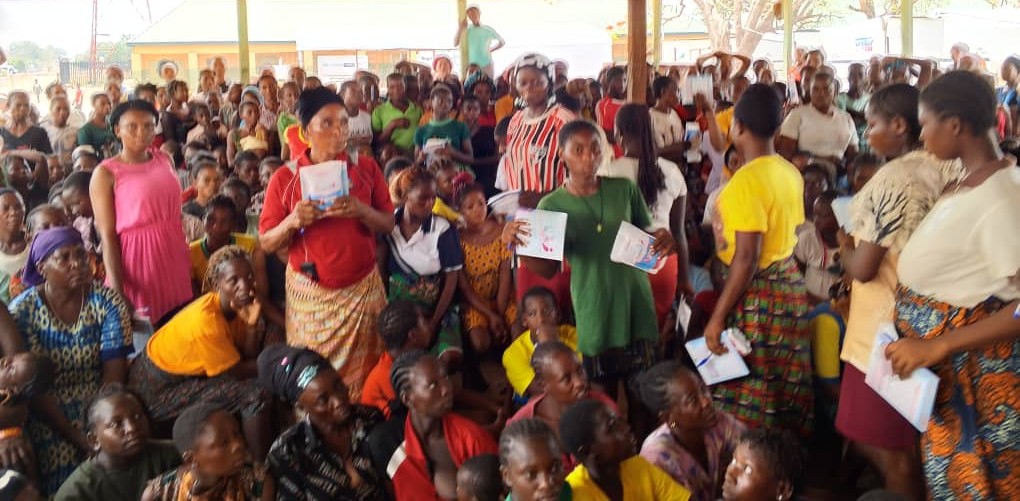
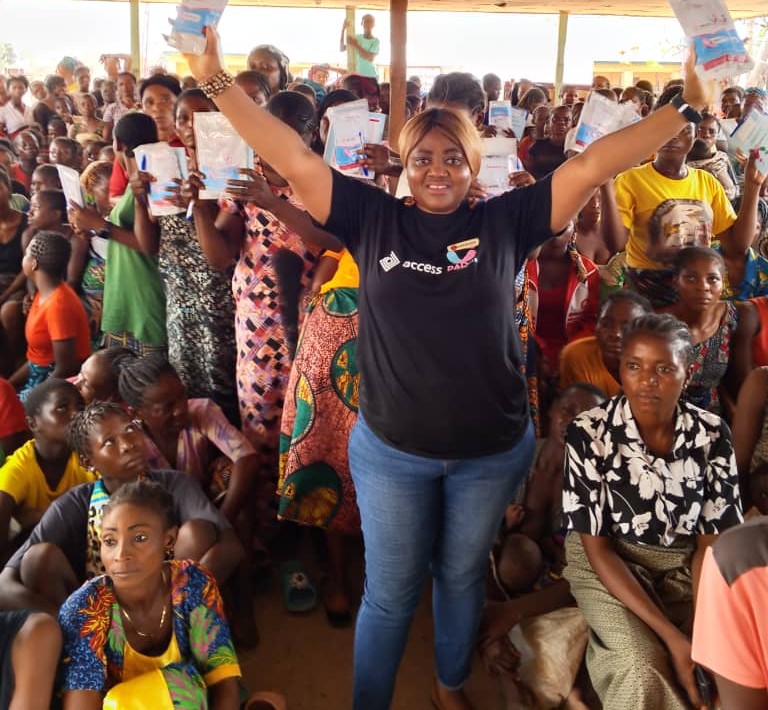
The “Access PAD Me A Girl Initiative,” an outreach led by Gatmash Media in collaboration with Access Bank and several corporate partners, has delivered more than 2,000 reusable sanitary pads to girls and women in Abuja’s Durumi Area 1 and Ortese IDP Camp in Benue State.
Designed as a lifeline for those battling menstrual poverty, the initiative’s reach extends far beyond hygiene. It is a cultural intervention challenging deep-rooted stigma and restoring confidence where hope once faltered.
For Farida Abubakar, 14, every month used to mean dread and shame. “I’m forced to use pieces of clothes because I don’t have money to buy pads,” she admitted, her frustration audible.
At Ortese camp, 16-year-old Sewuese Terfa shared a similar struggle: “Pads are a luxury. I need to eat first before I can think about my period.”
Such voices resonate across Nigeria, where millions of girls and women still lack access to basic menstrual products. The consequences—health risks, school absenteeism, lost confidence—are real and enduring.
Responding to this crisis, the initiative established a ‘Pad Bank’—a structured system ensuring the consistent delivery of washable, eco-friendly, and reusable pads.
Not only are the pads sustainable and cost-efficient, but they are also accompanied by menstrual hygiene education, empowering girls to manage their cycles with dignity and safety, said Theresa Moses, convener of the programme.
At its core, the initiative aligns with global development goals: advancing quality education, gender equality, clean water access, responsible consumption, and climate action.
The educational component also teaches girls how to clean, store, and reuse their pads—an effort to ensure long-term impact.
Theresa Moses, convener of the programme, affirmed the project’s growth. “We’ve launched in Abuja and Benue, but other states are coming,” she said. With backing from Access Bank and other private partners, the campaign is evolving into a movement.
The impact is tangible. “I can now attend school without worrying about my period,” said 12-year-old Joy Terseer.
“The pads have given me confidence,” added 15-year-old Hadiza Ibrahim. “I feel like I can face the world again.”
The gratitude is collective. “This pad bank will be a life changer,” said Washima Shachia, 16. “I will no longer be held back by my period.”
Durumi camp’s women leader, Mrs. Liyatu Yusuf, praised the transformation. “We were struggling. Now, our girls are returning to school. The pads are comfortable and reusable. We’ve learned so much.”
Camp Chairman Alhaji Ibrahim Amadu echoed that relief: “This project has brought hope. It’s given our women dignity.”
The campaign’s strength also lies in its partnerships. Checkers Custard has provided its custard and pap-flav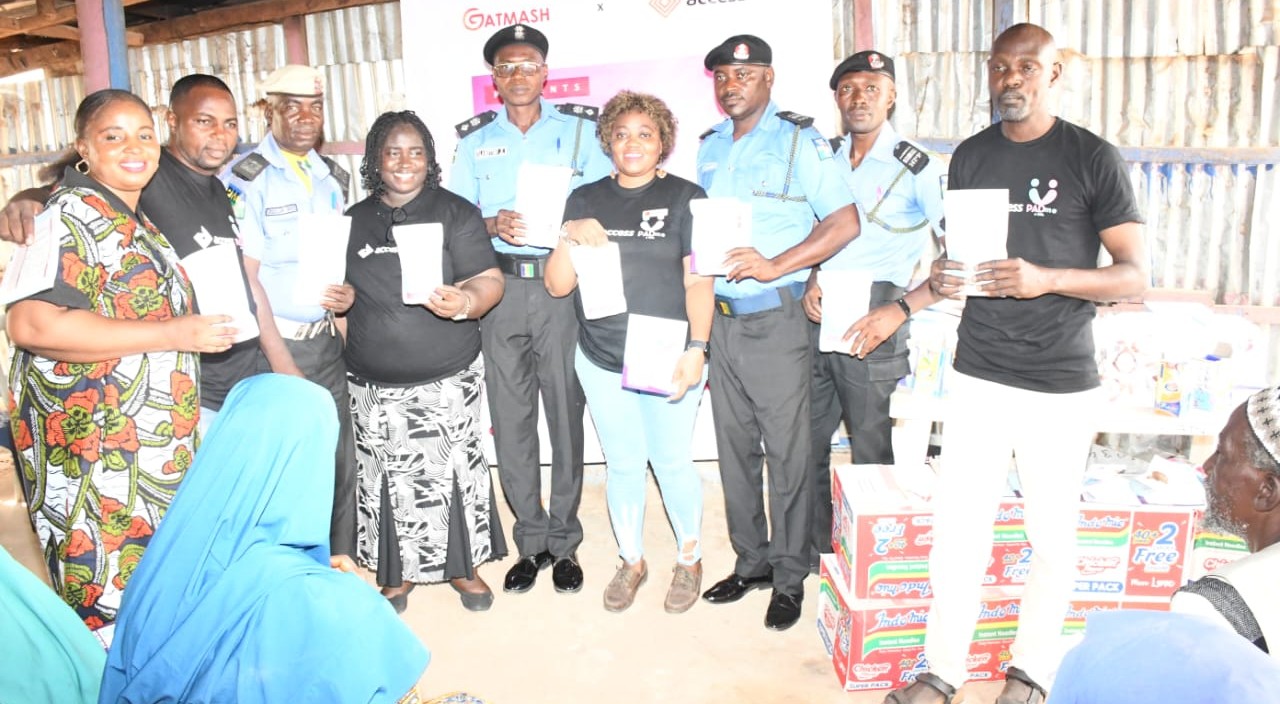 oured products to support the nutritional needs of IDP families, while Vita Baites Foods has supplied its peanut-based kuli-kuli snacks—both contributing to holistic well-being.
Other supporters include Pro Star, Nigeria Online Media Alliance, the Jeffery Kuaran Foundation, and anonymous donors—each adding weight to the initiative’s mission.