By Joke Kujenya
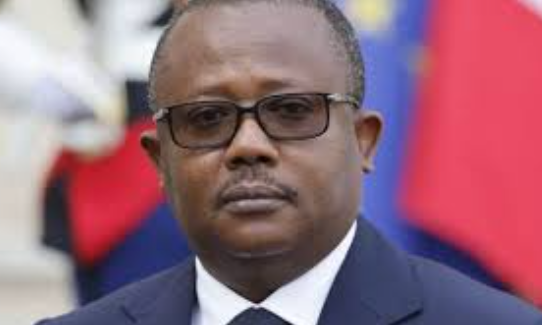
POLITICAL UNREST has intensified in Guinea-Bissau as tensions rise between President Umaro Sissoco Embaló and the country’s journalists.
Since dissolving parliament in December, President Embaló has repeatedly shown open disrespect toward the press.
During a news conference on July 13 in Bissau, radio journalist Ussumane Mané asked Embaló whether presidential elections would occur this year.
The President, visibly frustrated, responded by cursing at Mané.
This exchange highlighted the growing animosity between the media and Embaló’s administration since the dissolution of parliament, which the President described as a necessary measure following an alleged coup attempt.
Mané, who works for Radio Sol Mansi, recalled his shock at the president’s outburst, which he later shared with the Committee to Protect Journalists (CPJ).
Journalists in the country have since faced increasing hostility from the government.
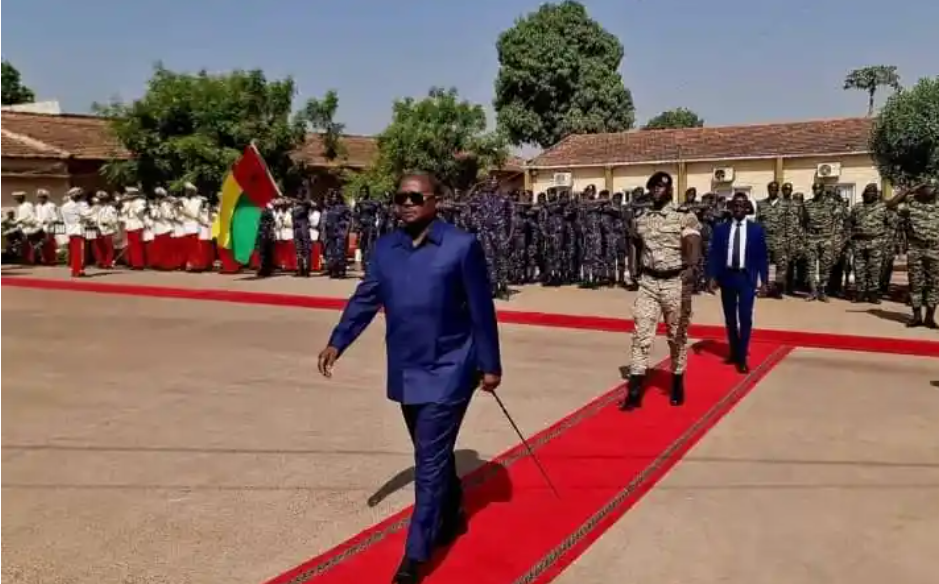
By July, at least 16 reporters were obstructed, threatened, or even attacked by government officials or police while covering news events.
The CPJ also raised concerns about the state of press freedom in the country, particularly with legislative elections expected in November.
Muthoki Mumo, CPJ’s Africa Program Coordinator, expressed dismay over the growing threats against journalists, urging authorities to ensure the media could operate without interference.
Despite these challenges, Embaló dismissed calls for early presidential elections in 2024, choosing instead to focus on the upcoming parliamentary vote.
Analysts, however, argue that a presidential election is constitutionally required 90 days before Embaló’s term expires in February 2025.
Several notable incidents have further strained relations between the press and the administration.
On July 14, the journalists’ union, Sinjotecs, called for a media boycott of Embaló, citing disrespect and insults.
Embaló retaliated by announcing his own boycott of the union and requesting an investigation by the Attorney General.
Violence against journalists also increased. On July 31, two reporters covering a teachers’ protest were injured when hit by a police vehicle.
One reporter, Djuma Colubali, was beaten by an officer, causing her to faint. I
n another incident on August 13, over a dozen journalists were barred from covering a key political figure’s arrival at the Bissau airport, with police forcing reporters away from the area.
The president held a three-hour meeting with journalists on August 5, defending his record on press freedom, claiming Guinea-Bissau offers more freedom to journalists than other countries in the region.
However, this defense did little to ease tensions. Days later, on August 22, Indira Baldé, president of the journalists’ union, was expelled from a health ministry news conference under direct orders from the presidency.
Although Embaló’s spokesperson, Ndira Tavares, assured that the presidency was committed to maintaining an open dialogue with the media, the series of attacks on press freedom continues to raise alarms ahead of the November elections.