By Al Humphrey Onyanabo
ONCE THE stuff of science fiction and sleek Hollywood tech fantasies, transparent smartphones are edging closer to reality, thanks to relentless innovation by a few bold tech companies.
What is a Transparent Phone?
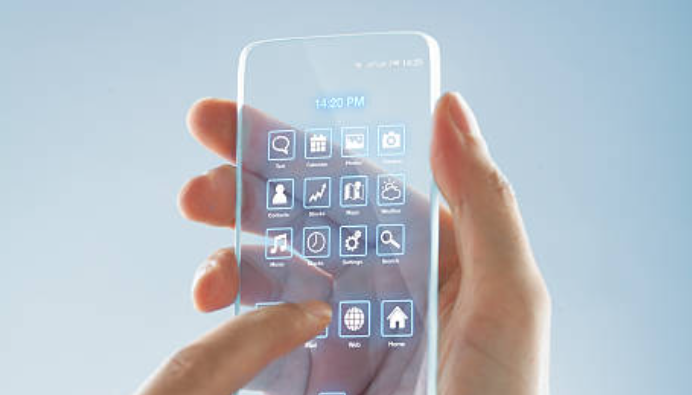
A transparent phone is a device where the display and other components are either fully or partially see-through, offering a futuristic look and novel interface.
The core idea is to minimize visible hardware while maintaining full functionality—imagine a phone screen that looks like a pane of glass in your hand, yet responds to touch, shows full-color media, and houses invisible cameras and circuitry.
Companies Leading the Charge
1. Nothing Technology (UK)
British startup Nothing, founded by Carl Pei (co-founder of OnePlus), is currently the most commercially visible brand experimenting with transparent tech. Though their Nothing Phone (1) and Phone (2) are not fully transparent, their partially transparent backs show key components under a sleek glass design. This aesthetic success has reignited interest in transparent designs.
2. Xiaomi (China)
Xiaomi wowed the world in 2019 with its Mi 9 Explorer Edition, which featured a fake (but beautiful) transparent rear panel. However, in March 2023, the company unveiled a concept phone with a nearly transparent OLED screen, showcasing actual screen content while remaining mostly see-through when idle.
3. LG and Samsung (South Korea)
Both tech giants have filed multiple patents over the years for transparent displays and foldables. Samsung Display and LG Display have demonstrated transparent OLED panels at expos like CES and IFA. While they haven’t launched a fully transparent smartphone yet, their technology underpins much of the progress in this space.
4. Polytron Technologies (Taiwan)
A relatively unknown but pioneering firm, Polytron showcased a transparent phone prototype as far back as 2013. Their phone used transparent conductive materials and special glass to make a large portion of the phone see-through. While it didn’t hit the market, it proved such designs were possible.
When Will Transparent Phones Be Available?
We’re still 2–3 years away from the first truly transparent commercial smartphones, according to industry insiders. The challenge lies not only in creating see-through screens but also in hiding components like batteries, cameras, sensors, and antennas, or making them transparent themselves.
Expect hybrid transparent designs—like semi-transparent displays or backs—to become more mainstream by 2026, while fully transparent functional phones may debut in limited editions around 2027–2028.
Expected Price Range
Due to the high cost of materials and low initial production volumes, the first generation of transparent smartphones will be premium devices. Analysts estimate launch prices in the range of $1,500–$2,500, targeting early adopters, tech influencers, and design enthusiasts. As manufacturing scales up, prices may drop to more accessible levels.
Challenges Ahead
Battery Visibility: Batteries are bulky and opaque; making them blend or disappear is a hurdle.
Camera Design: Transparent lenses with quality image capture are still under development.
Durability & Privacy: Transparent devices may be more fragile and offer less screen privacy.
User Interface Overhaul: Interfaces must be redesigned for transparency—a full UI rethink.
Final Thoughts
While a fully transparent phone in your pocket is not quite ready for tomorrow, it’s certainly no longer a pipe dream. With companies like Nothing, Xiaomi, Samsung, and LG investing heavily in futuristic form factors, the countdown has begun for what might be the next big leap in smartphone evolution.
The next time someone pulls out a phone and it looks like a piece of polished glass—don’t blink. The future, after all, is becoming increasingly transparent.