By JKNewsMedia
STRATEGIC PARTNERSHIPS and investment capital have taken centre stage in accelerating financial and economic inclusion for African women and youth under the Women and Youth Financial and Economic Inclusion (WYFEI 2030) Initiative.
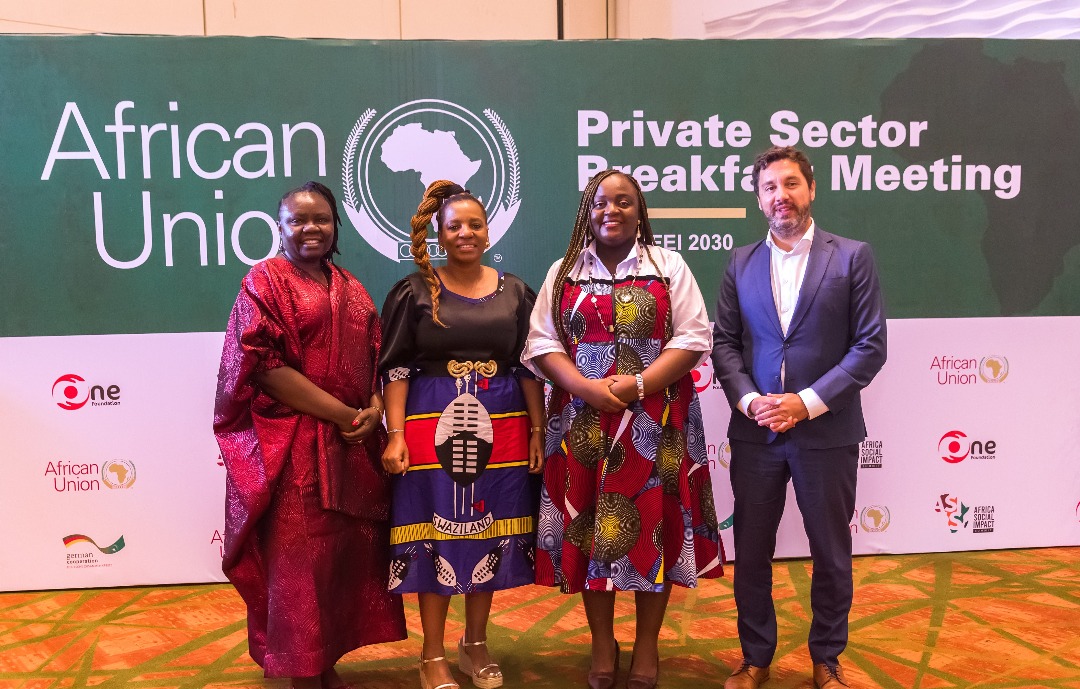
A high-level dialogue hosted by the African Union Commission’s Women, Gender and Youth Directorate in collaboration with the Sterling One Foundation gathered public and private stakeholders to strengthen cross-sectoral financing solutions.
Supported by the German government through the GIZ African Union Portfolio, the meeting addressed long-standing capital access barriers that continue to marginalise women and young people.
The convening preceded the Africa Social Impact Summit (ASIS 2025) and focused on unlocking USD 100 billion in private investment to benefit at least ten million women and youth by 2030.
Discussions examined how to design inclusive financial instruments, build supporting data infrastructure, and scale access to enterprise support services that help women- and youth-led businesses grow.
Participants explored strategies to bridge early-stage financing gaps, increase bankability of underserved entrepreneurs, and embed gender-responsive tools into market systems.
The sessions stressed the need for measurable shifts in deal origination, technical assistance, and targeted capital flows into youth- and women-driven enterprises.
AU Commission Director, Prudence Nonkululeko Ngwenya, called for a systemic overhaul that embeds inclusion at the centre of resource and policy decisions.
She described the private sector as a co-owner of WYFEI 2030, with shared responsibility to innovate and co-invest for long-term transformation.
Sterling One Foundation CEO, Olapeju Ibekwe, challenged institutions to move beyond rhetoric, affirming that exclusion of women and youth undermines Africa’s economic future.
She also called for joint implementation of solutions shaped by Africa’s investment realities.
GIZ African Union Director, Tobias Thiel, noted that dismantling exclusion is both morally and economically necessary, urging sustained partnerships for equitable opportunity.
The session also introduced EmpowerHer Africa, an initiative by UNICEF’s Dr. Nadi Albino aimed at reaching 50 million adolescent girls and young women with financing, digital tools, and entrepreneurial pathways through the WYFEI 2030 framework.
The team disclosed that this meeting marked their start of a continental engagement series led by the African Union Commission, with Sterling One Foundation coordinating regional public–private dialogues.
Also they said the efforts are geared towards aligning capital, policy, and innovation with Africa’s inclusion priorities, delivering structural shifts that will shape an equitable future for women and youth across the continent, amongst others.