By JKNewsMedia
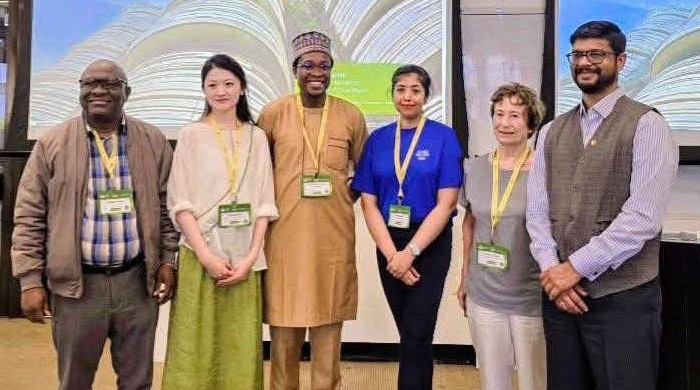
EARNED DISTINCTION among the top three presentations, a landmark academic study which explored the integration of divine ethical values into global media literacy received one of the highest accolades at the International Association for Media and Communication Research (IAMCR) 2025 conference in Singapore.
The paper offered a rigorous, faith-informed framework to address the rise of digital misinformation through spiritual ethics and critical media analysis as it was honoured within the Islam and Media Working Group.
Creating a Sustainable Information Ecosystem Using Proposed Islamic Perspectives-Driven Framework, Professor Jamiu M. Mustapha and Mr Mutiu Iyanda Lasisi outline a model that weaves quranic teachings, hadith traditions, and empirical media studies into a single approach, called the Islamic Media and Information Literacy Framework (IMILF).
He said this initiative aims to strengthen truthfulness, civic responsibility, and moral communication within digital ecosystems.
Rather than proposing a parallel Islamic model, the framework aligns with global Media and Information Literacy (MIL) efforts, adding that, it offers a value-driven alternative grounded in spiritual ethics, designed to help communities confront the ethical breakdown of online discourse while promoting sustainable media engagement.
Prof Mustapha also presented the framework during the Islam and Media Working Group (IMWG) sessions and drew significant attention for its originality and practical application.
Emphasising the integration of critical thinking and responsible information sharing, the study advocates for a synthesis of traditional faith values with modern communication challenges.
IMILF stands as an enhancement, not a replacement, of existing MIL frameworks, Prof Mustapha stressed.
“It encourages individuals and institutions to apply Islamic moral principles to evaluate, produce, and share media content.”
He reveals that the study argues that this approach is not only culturally relevant but globally adaptable, offering tools for both Muslim and non-Muslim audiences to navigate the digital age with integrity.
The presenter, Professor Jamiu M. Mustapha was also elected co-Vice Chair of the Journalism Research and Education (JRE) Section during the five-day event, a tenure set to run from 2025 to 2029.
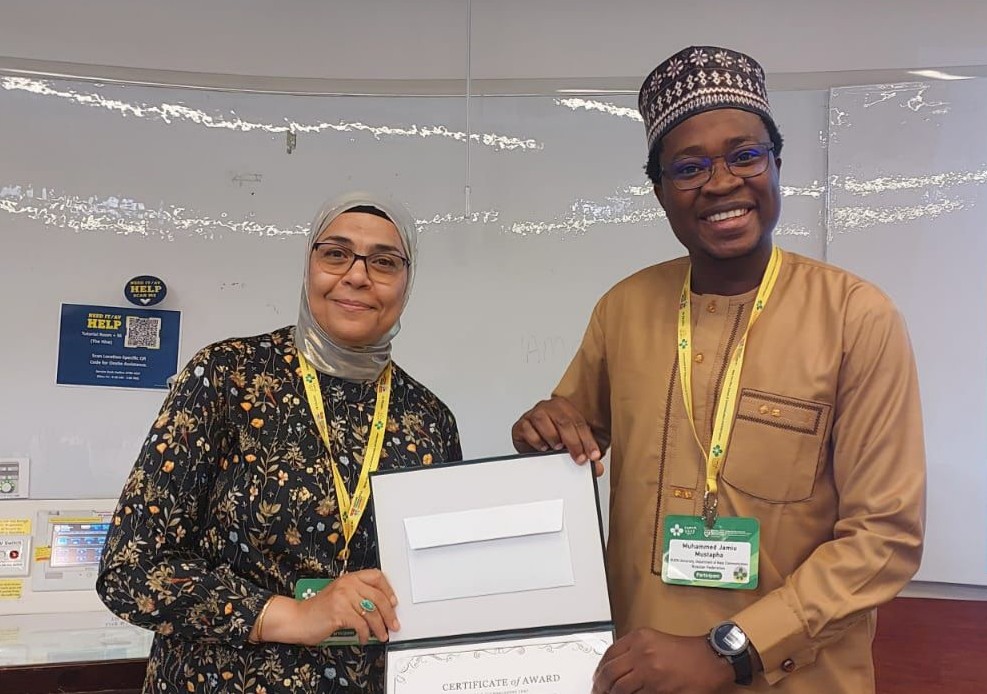
His appointment marks a strategic expansion of African and Islamic academic representation within international communication networks.
He disclosed that institutional support for the research came from RUDN University, which played a critical role in facilitating the project’s development.
This backing reflects a broader commitment to cross-cultural, values-based approaches in global media scholarship.
As the session drifted to an end, the researchers came up with key recommendations which included piloting the IMILF model across community networks and schools, embedding its principles in curricula, launching media ethics workshops, and building digital tools to reinforce responsible information behaviour.
Their study also highlights the role of influential Islamic figures who counter disinformation through peaceful and ethical means.
The event held from 13–17 July when the IAMCR 2025 conference gathered media scholars, educators, and policymakers from around the world.
It also provided a forum to explore ethical frameworks and scholarly innovations shaping the future of global communication, with the IMILF framework standing out as a timely and culturally grounded solution to today’s information crises.