By Joke Kujenya
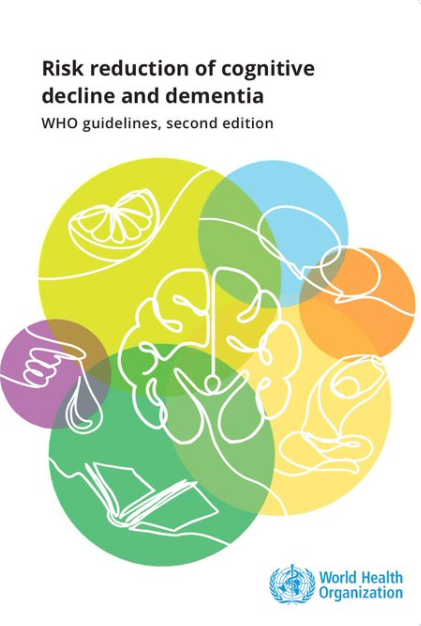
WHO’s latest guidance says up to 45% of dementia risk may be prevented or delayed through healthy living.
FOR MANY people, forgetting where the keys were left or struggling to recall a familiar name is often dismissed as a normal part of ageing.
However, the World Health Organisation (WHO) dementia prevention guidelines suggest that protecting brain health should begin long before memory problems become noticeable.
JKNewsMedia.com reports that the WHO says millions of dementia cases could be delayed or even prevented through simple lifestyle changes adopted throughout adulthood.
According to the agency, more than 57 million people are currently living with dementia worldwide, while nearly 10 million new cases are diagnosed every year.
Alzheimer’s disease remains the most common form, accounting for about 60 to 70 percent of all dementia cases.
Although there is still no cure for dementia, WHO says there is encouraging evidence that healthier lifestyles can reduce the risk.
The organisation estimates that up to 45 percent of dementia risk is linked to factors people can influence, making prevention an important public health priority.
What Is Dementia?
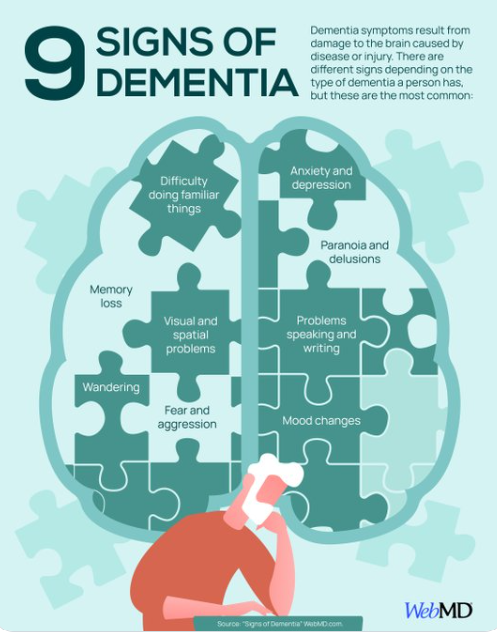
Dementia is far more than occasional forgetfulness, according to WHO.
It is a group of conditions caused by diseases that damage the brain, gradually affecting memory, thinking, communication and the ability to perform everyday tasks.
As the condition progresses, many people lose their independence. Consequently, families often shoulder significant emotional, physical and financial responsibilities while caring for loved ones.
Beyond its impact on individuals and families, dementia also places a heavy burden on healthcare systems and national economies.
WHO estimates the condition costs the global economy about United States (US) $1.3 trillion every year, with almost half of that amount representing unpaid care provided by relatives and friends.
More Than Memory Loss
The updated WHO dementia prevention guidelines build on recommendations first released in 2019.
However, they now reflect stronger scientific evidence gathered over recent years.
Rather than waiting until memory problems develop, WHO encourages people to reduce known risk factors throughout adulthood. The organisation says protecting brain health should become part of routine healthcare alongside managing diabetes, hypertension and mental health.
WHO Director-General, Dr Tedros Adhanom Ghebreyesus, said researchers now have a much better understanding of the factors that influence dementia risk.
“We know more today than ever before about what drives dementia risk, and these guidelines translate that knowledge into action.
“Countries now have clear, evidence-based recommendations they can put into practice immediately to protect people’s cognitive health.”
According to WHO, integrating brain health into primary healthcare could significantly reduce the number of dementia cases in future decades.
A New Roadmap for Healthier Brains
The WHO dementia prevention guidelines emphasise that protecting the brain does not require expensive treatments.
Instead, consistent healthy habits can make a meaningful difference over time.
WHO recommends that people should:
▪️Stay physically active through regular exercise.
▪️Eat a balanced and nutritious diet.
▪️Stop smoking or avoid tobacco completely.
▪️Reduce alcohol consumption.
▪️Stay socially connected with family, friends and community activities.
▪️Keep the brain active by reading, learning new skills and solving puzzles.
▪️Control high blood pressure, diabetes and high cholesterol.
▪️Reduce exposure to air pollution where possible.
Address hearing loss early, including using hearing aids when recommended.
In addition, WHO encourages mentally stimulating activities for older adults and people experiencing mild cognitive decline because they may help maintain cognitive function.
Supplements That Do Not Prevent Dementia
The WHO dementia prevention guidelines also challenge common marketing claims surrounding dietary supplements.
According to the organisation, there is no convincing evidence that vitamin B supplements, vitamin E, Omega-3 fatty acids or multivitamins prevent dementia in people who do not have medically diagnosed deficiencies.
Therefore, WHO advises against relying on these supplements to protect brain health.
The available evidence does not demonstrate meaningful benefits, while unnecessary supplementation may carry avoidable health risks.
Why the WHO Dementia Prevention Guidelines Matter
The advice is refreshingly practical.
According to WHO, protecting the brain does not necessarily require expensive treatments.
Instead, it starts with consistent daily habits that benefit both the body and the mind.
Although ageing cannot be prevented, WHO says many dementia risk factors can be reduced through everyday decisions.
Choosing regular exercise, eating nutritious meals, avoiding tobacco, limiting alcohol, managing chronic illnesses and maintaining strong social connections can all contribute to better brain health.
Ultimately, the WHO dementia prevention guidelines deliver a hopeful message.
While there is no cure for dementia, millions of people may be able to lower their risk by adopting healthier habits early in life.
Protecting brain health, WHO says, begins not when memory fades but with the choices people make every day.
WHO also encourages activities that stimulate thinking and memory, particularly for older adults and those experiencing mild cognitive decline.
That means the walk taken today, the healthy meal chosen, the cigarette avoided, the blood pressure checked and the conversation shared with loved ones could all become small investments in future brain health.
For millions of people around the world, the message is both simple and encouraging; protecting the brain is not only about growing older, but also about how we choose to live every day.
—