

By Ebunoluwa Ololade, JKNewsMedia Reporter
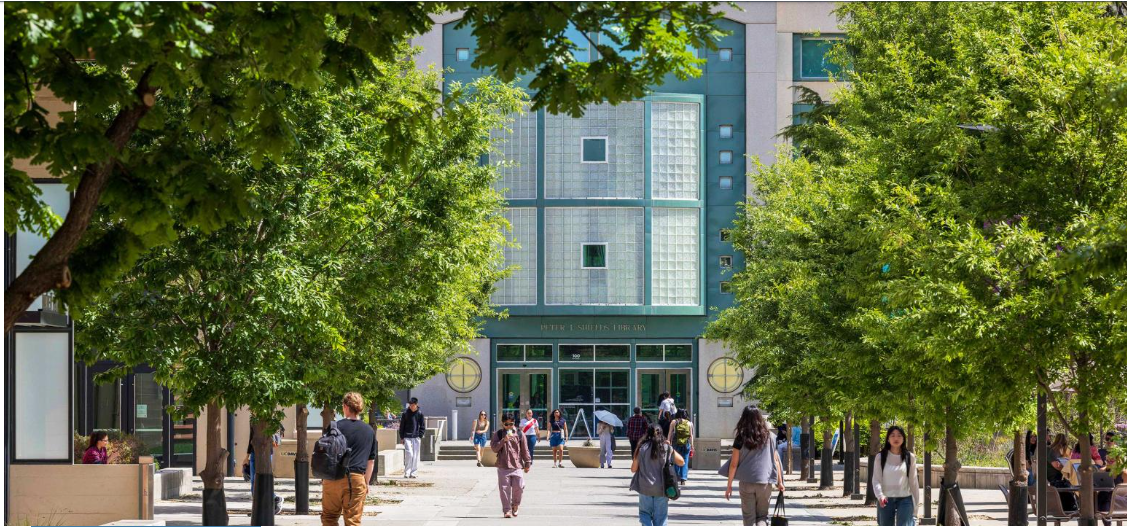
SWEEPING FEDERAL regulatory changes have prompted several US universities to advise foreign students to return to campus early and limit unnecessary overseas travel.
JKNewsMedia.com reports that the advisories follow new Department of Homeland Security rules that end the long standing “duration of status” framework introduced in 1978, which allowed foreign students to remain in the US as long as they maintained their enrolment.
Under the updated regulations, student F 1 and exchange visitor J 1 visa holders will be admitted for a fixed period capped at a maximum of four years instead of the full duration of their academic programmes.
US universities will no longer be able to grant programme extensions internally for foreign students. Those requiring additional time must apply directly to the US government for approval.
The grace period for foreign graduates to leave the US or transition to another legal status has been reduced from 60 days to 30 days.
Graduate students will also face tighter rules on changing majors, shifting educational objectives, or transferring institutions without prior government authorisation.
Following the new rule, campus international student offices, including those at major research institutions, have issued urgent advisories instructing non citizen students and scholars to return to the US before term start dates.
International students currently outside the country for academic breaks have been advised by their universities to return before 15 September to remain under the existing immigration framework.
In a notice to students, Columbia University said: “This final rule has a 60-day implementation period. We recommend all students return to New York before the beginning of classes on 8 September 2026.”
The DHS rule will impose a maximum four year stay for F 1 student visa holders; J 1 exchange visitors and I visa holders for foreign journalists.
It will also reduce the grace period after completing studies from 60 days to 30 days and require students seeking extensions to apply through Form I 539 with the US Citizenship and Immigration Services.
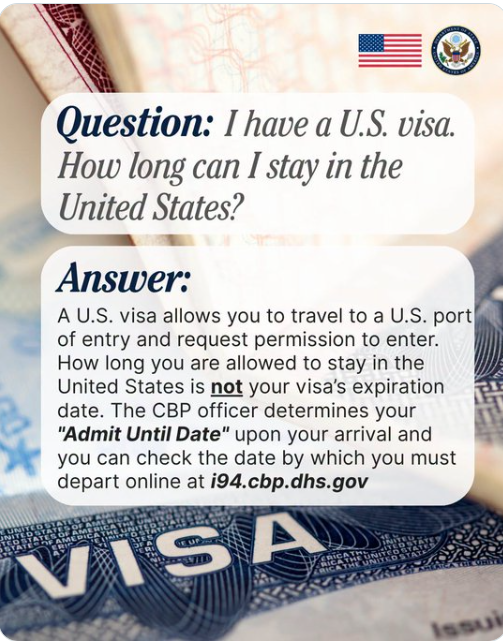
The rule is scheduled to take effect on 15 September.
Students already in the US under the current D/S system on that date will be allowed to remain until the programme completion date listed on their Form I 20 or until the end of their approved Optional Practical Training or STEM OPT, provided they continue to maintain their academic status.
The changes are expected to affect hundreds of thousands of international students, including many Indians, raising concerns over future study and work plans.
Khanderao Kand, chief of policy and strategy at the Foundation for India and Indian Diaspora Studies, criticised the proposal, calling it “a self-inflicted wound on US competitiveness.”
“A four year cap misaligns with how modern degrees actually work. The median time to complete a bachelor’s degree is about 52 months, while a PhD takes around 5.7 years.
USCIS is already dealing with roughly year-long processing times,” Kand said.
He warned that students could be forced to leave before completing their programmes, disrupting research and weakening the US innovation ecosystem.
FIIDS also cautioned that uncertainty surrounding visa extensions could disrupt laboratories, delay graduations and complicate faculty recruitment.
Many research-intensive programmes, including doctoral studies, medical training and J 1 research appointments, typically require 5 to 7 years to complete.
Kand urged the administration to delay implementation of the rule.
“If the goal is to strengthen immigration integrity, it should be done without disrupting degree pathways that power American laboratories and startups,” he said.
—




An important and timely report. Changes to student visa policies have significant implications for international education, research collaboration, and global talent mobility. Prospective students should stay informed, carefully review official requirements, and ensure full compliance throughout the application process. Accurate reporting on developments like this is essential in helping students make informed decisions. Thank you for highlighting this important issue.